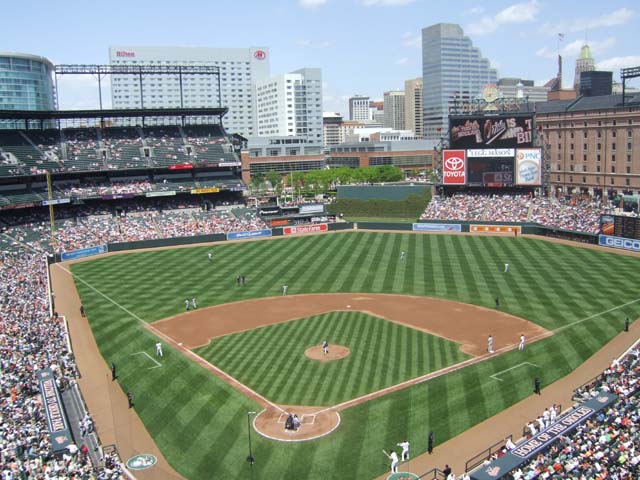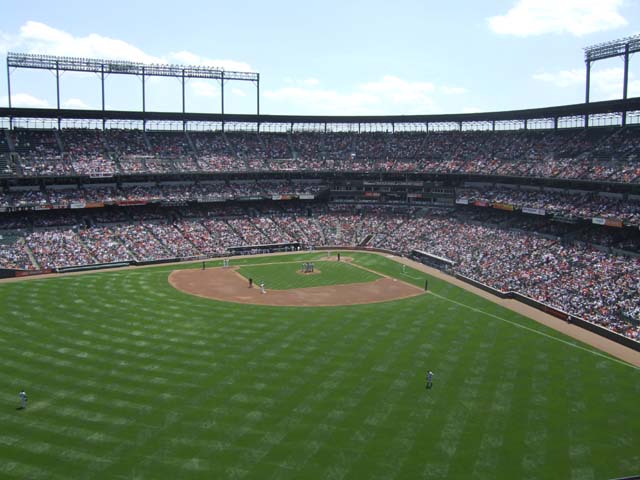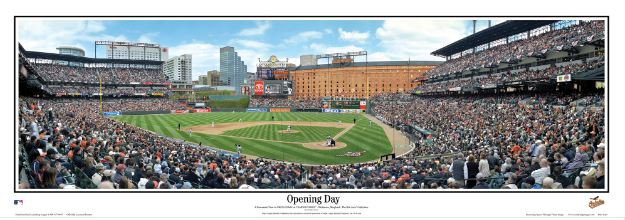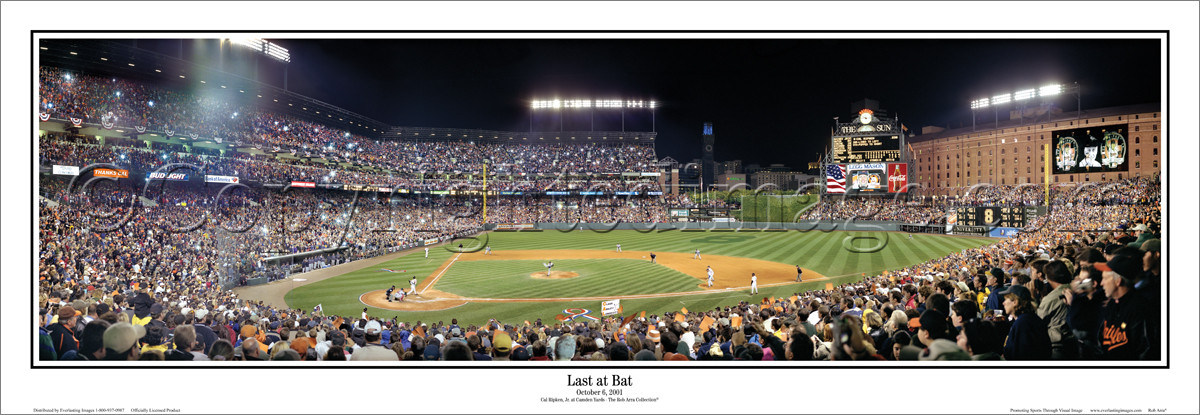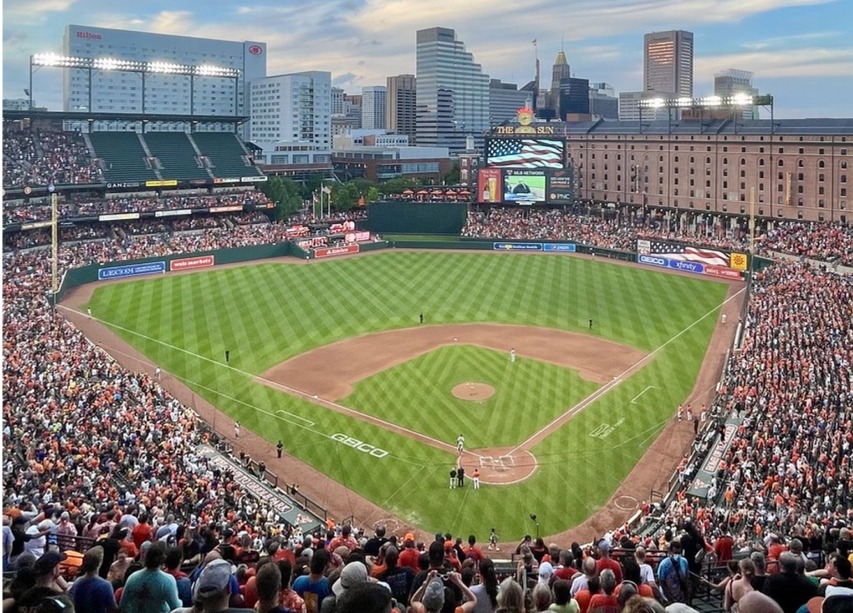
Nestled in the heart of downtown Baltimore, near the bustling Inner Harbor, Camden Yards has become a benchmark in the design of modern baseball stadiums, influencing the architecture of nearly every ballpark built since its opening in 1992. Much like how Shibe Park and Forbes Field shaped the development of steel-and-concrete ballparks in the early 20th century, Camden Yards revolutionized stadium design by blending classic features with modern innovations. Its impact can be seen in over 20 ballparks across Major League Baseball, all of which borrowed elements pioneered here.
The Baltimore Orioles’ history in the city dates back to 1954 when the team moved from St. Louis and became the Baltimore Orioles. They first played at Memorial Stadium, which had been repurposed for baseball after the Orioles relocated. Memorial Stadium was a typical multipurpose facility, with its oblong shape pushing most of the seats far from the field. The stadium also served as the home for the Baltimore Colts (NFL) and lacked the intimacy that modern baseball fans would come to expect.
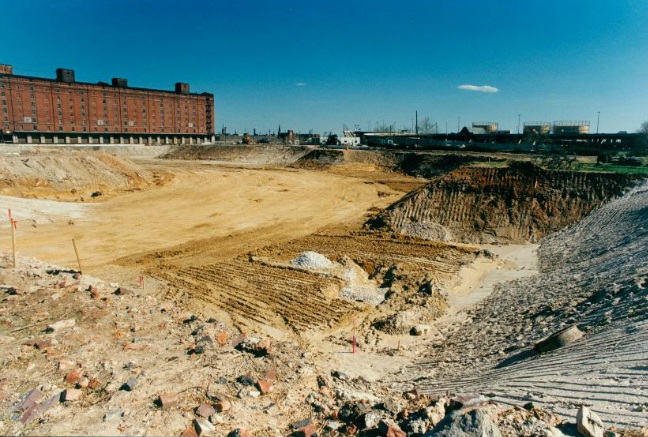
In the late 1980s, the Orioles and the city of Baltimore teamed up to create a plan for a new stadium in the heart of downtown. The site was particularly significant, as it sat on land once occupied by the saloon of Babe Ruth’s father. To design the new ballpark, Orioles owner Eli Jacobs hired Joseph Spear of HOK Sport, who was tasked with creating a stadium that would integrate seamlessly into the fabric of the city while maintaining the charm of early-1900s ballparks. The result was Camden Yards, a facility that would forever change the way baseball stadiums were designed.
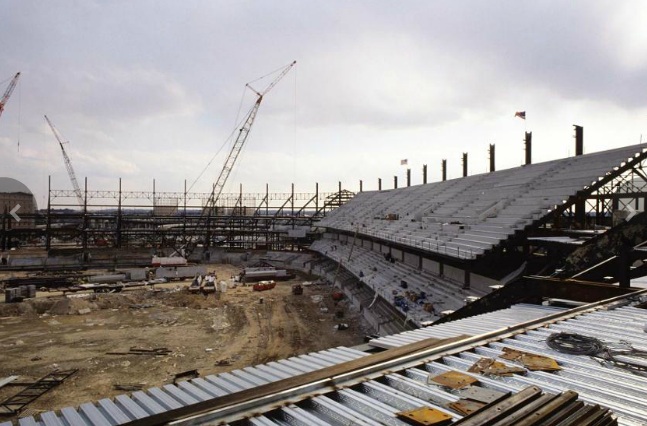
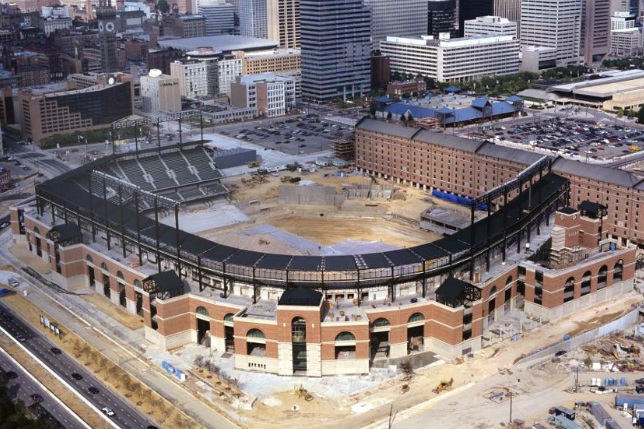
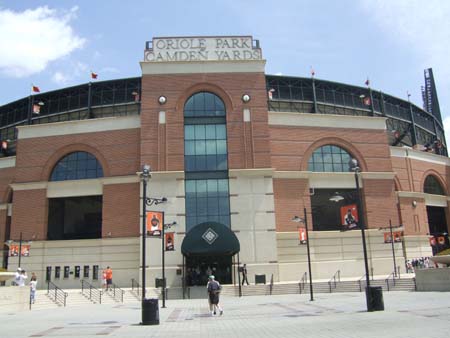
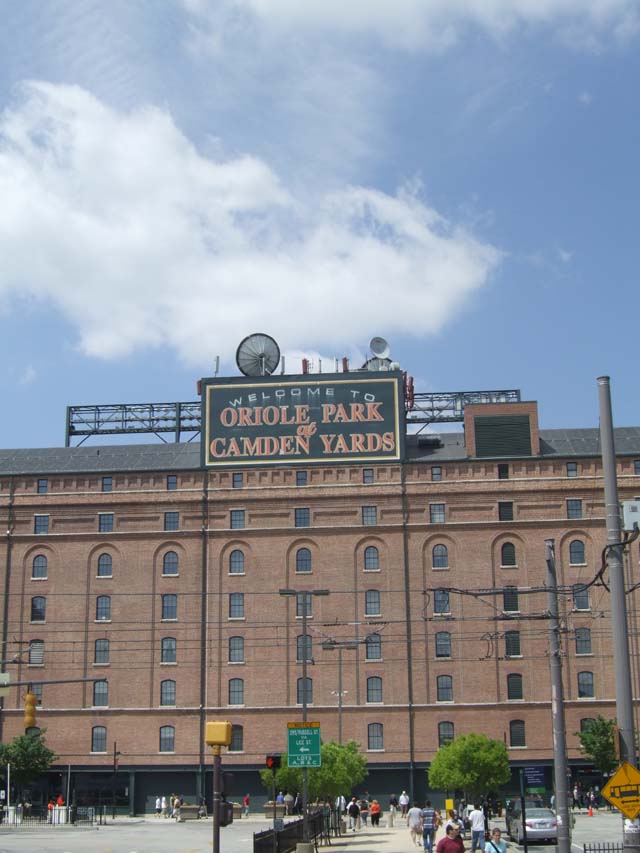
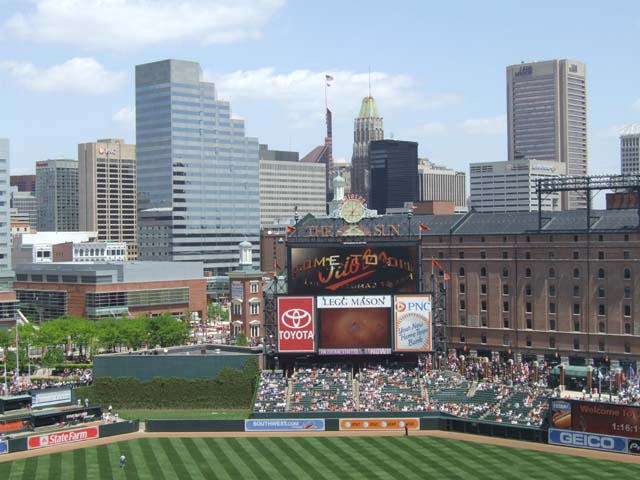
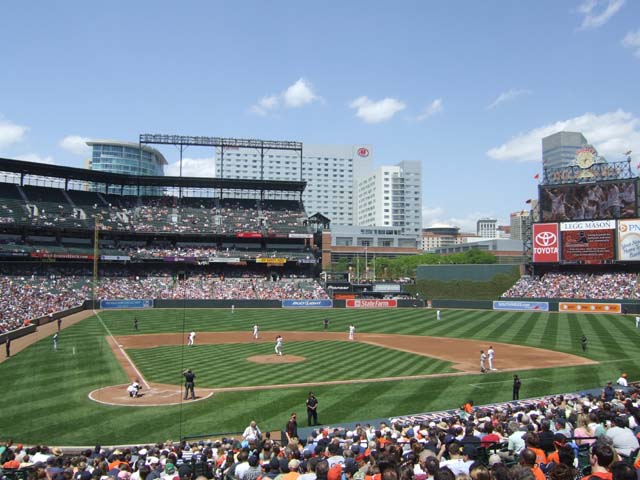
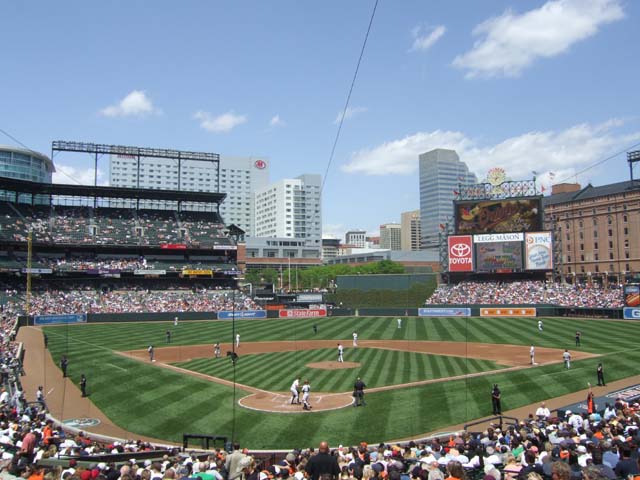
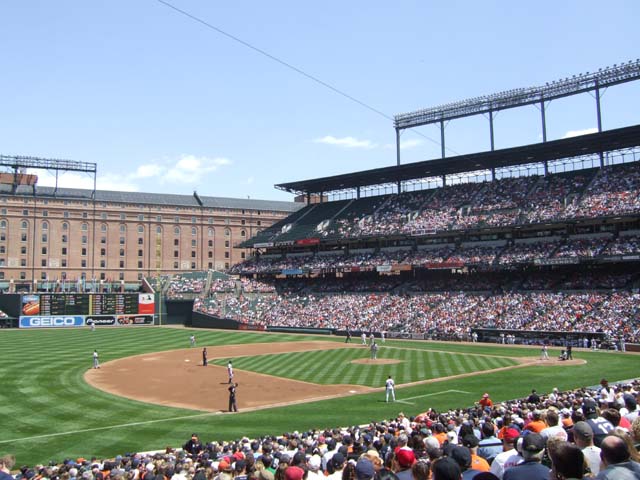
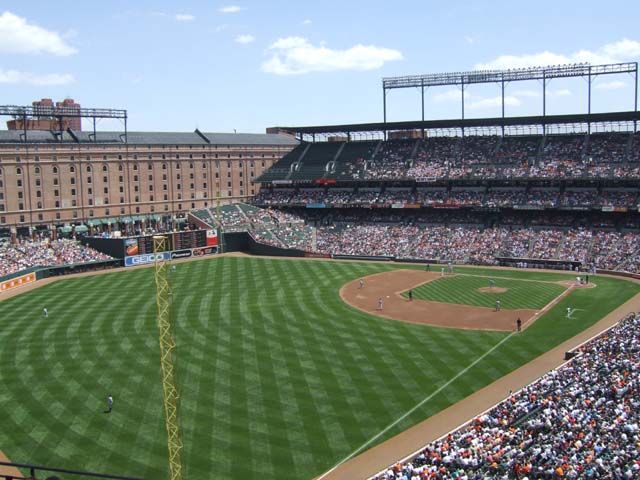
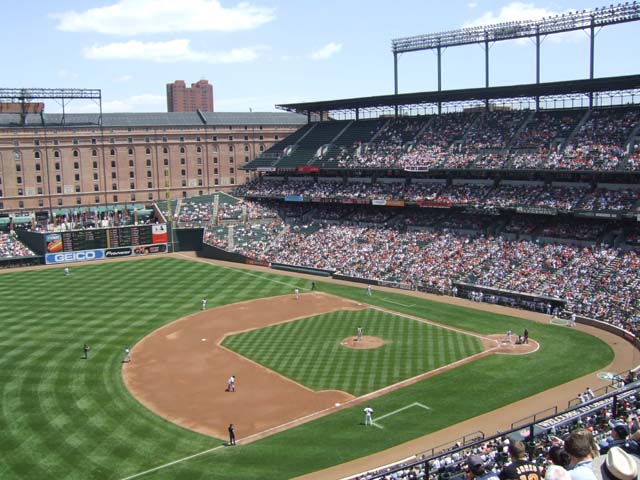
On April 6, 1992, Camden Yards hosted its first game, with the Baltimore Orioles facing off against the Cleveland Indians. The ballpark’s façade, made of brick with arches, helped it blend into the downtown landscape, giving the impression that the ballpark had been part of the city for decades. The low-raked upper deck ensures the stadium doesn’t overpower the surrounding buildings, while the majority of fans enter through the iconic Eutaw Street entrance in center field. This street, once a major thoroughfare leading into the city, now serves as a lively gathering space between the seating area and the historic B&O Warehouse.
| MEMORABLE MOMENTS AT CAMDEN YARDS |
|
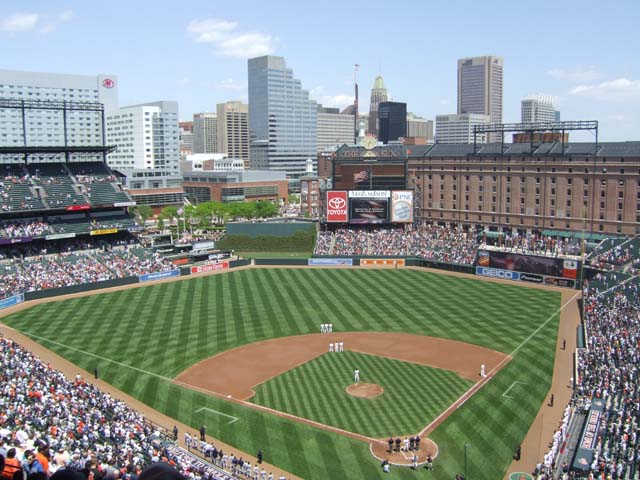
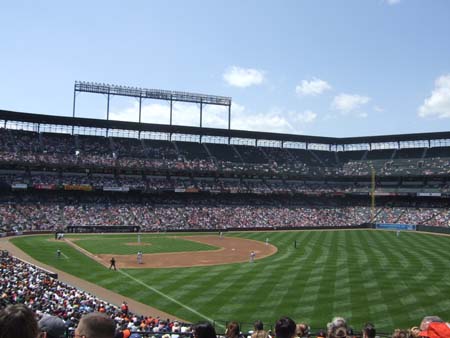
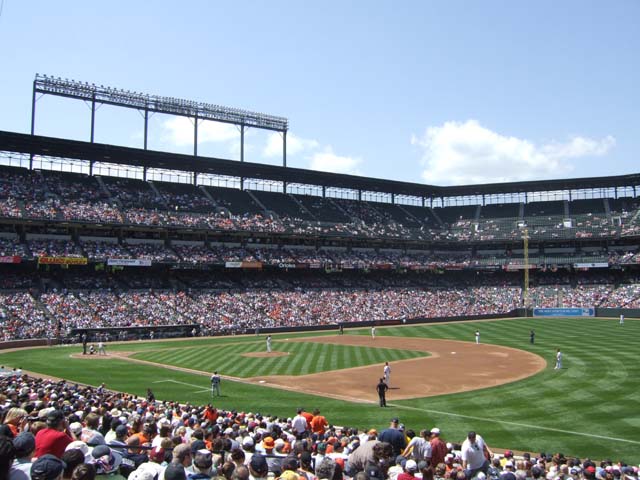
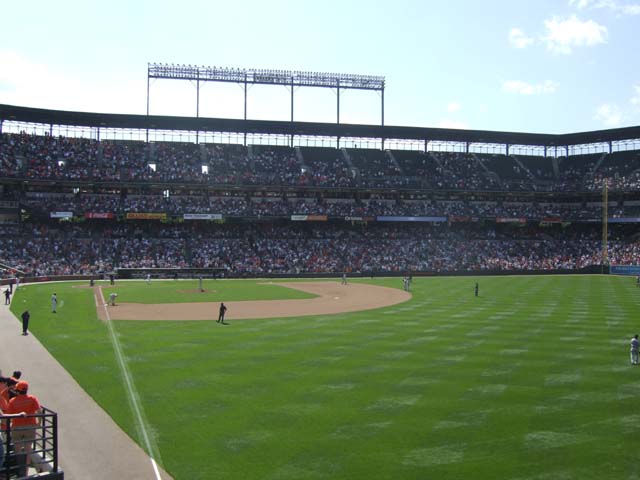
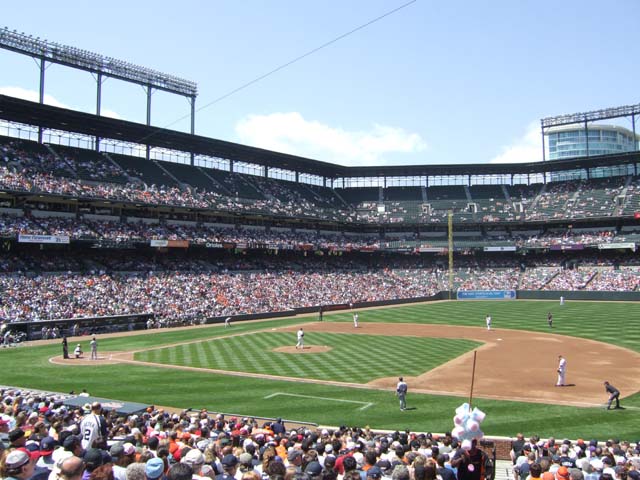
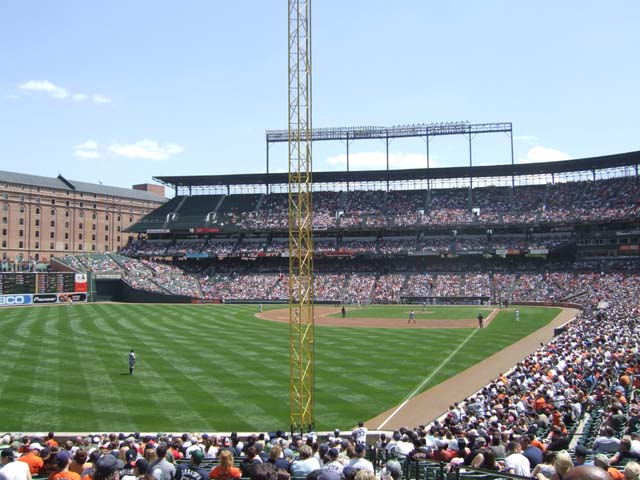
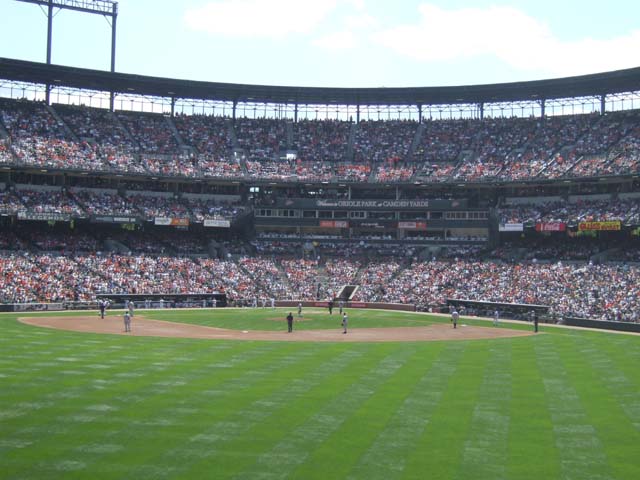
The central location and fan experience at Camden Yards set a new standard for ballparks. The main concourse, with large open-air walkways, provides fans with easy access to food, beverages, and interactive experiences. The seating, featuring 45,971 green seats, reflects the charm of bygone ballparks. Originally, the stadium had a capacity of 48,000, but in 2011, all seats were replaced with larger, more comfortable ones. The main grandstand wraps around the infield, extending from home plate down both the first and third base lines, while additional seating is located beneath the main video scoreboard in right-center field.
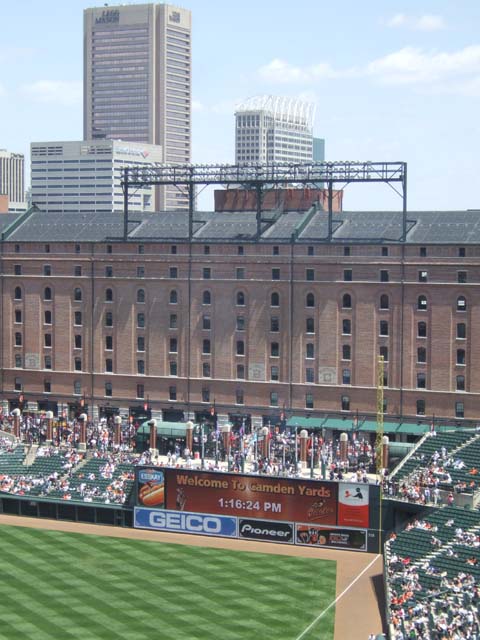
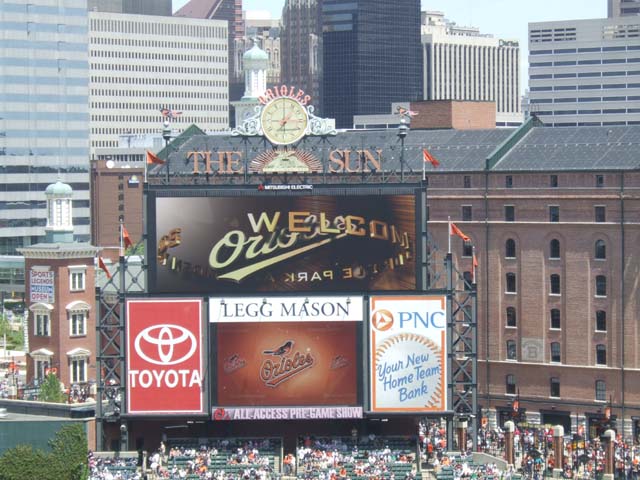
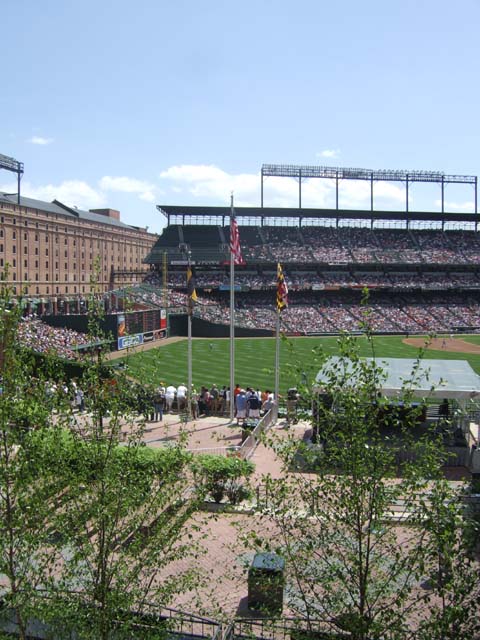
One of Camden Yards’ most iconic features is the B&O Warehouse, an eight-story building behind the right-field wall. Built in 1899 for the Baltimore & Ohio Railroad, it now houses offices, suites, and other spaces for the Orioles. The Warehouse serves as a striking backdrop for the ballpark and has become a symbol of Camden Yards’ integration of modern design with historic elements.
The ballpark also features two orange seats in right-center field and left field, marking the landing spots of Cal Ripken Jr.’s 278th homerun (breaking Ernie Banks’ record for home runs by a shortstop) and Eddie Murray’s 500th homerun, both iconic moments in Orioles history.
Fans can enjoy the game from multiple vantage points, including areas beyond the out-of-town scoreboard in right field and a section overlooking the bullpens in left-center field. A grassy picnic area beyond center field offers a relaxed setting with flower gardens and shady trees. Statues of six Orioles Hall of Famers (Frank Robinson, Earl Weaver, Jim Palmer, Eddie Murray, Cal Ripken, and Brooks Robinson) were added in 2012 to further celebrate the team’s rich history.
In 2022, the Orioles completed a $3.5 million renovation that significantly altered the ballpark’s outfield dimensions. To reduce home run totals, the left-field wall was pushed back nearly 27 feet and raised to 13 feet, up from its previous height of 7 feet, 4 inches. Approximately 1,000 seats were removed from left field to accommodate these changes. The left-field foul pole, however, remains in its original position, just 333 feet from home plate.
Prior to the 2025 season, the Orioles again modified the left-field dimensions, moving the wall in at varying distances between 9 and 20 feet. The wall’s height was also lowered, ranging from 8 feet in some areas to 6 feet, 11 inches in others.
One of the most significant renovation projects was completed ahead of the 2026 season. A new 4K video board in center field—2.5 times larger than its predecessor—was installed, along with upgraded ribbon boards along the Club Level. Beneath the scoreboard, a new pavilion-style covered patio provides gathering space for up to 300 fans. Behind home plate on the lower level, a 350-seat premium club area now features an all-inclusive dining room. In right field, a wraparound bar on the flag court offers an additional social space for fans to gather and enjoy the game.
Though Camden Yards is now over 30 years old, it remains one of the best ballparks in baseball, largely due to its prime location in downtown Baltimore and its stunning views of the city skyline. The ballpark has stood as a model of how to blend the old with the new, and its influence can be seen in ballparks around the league. It remains a true fan favorite and continues to be an integral part of the Orioles’ identity and the Baltimore community.
Camden Yards Pictures