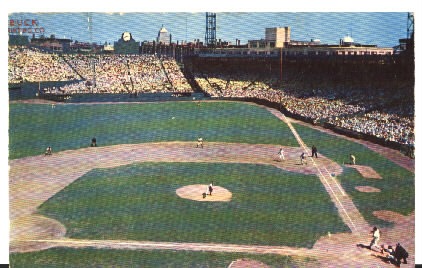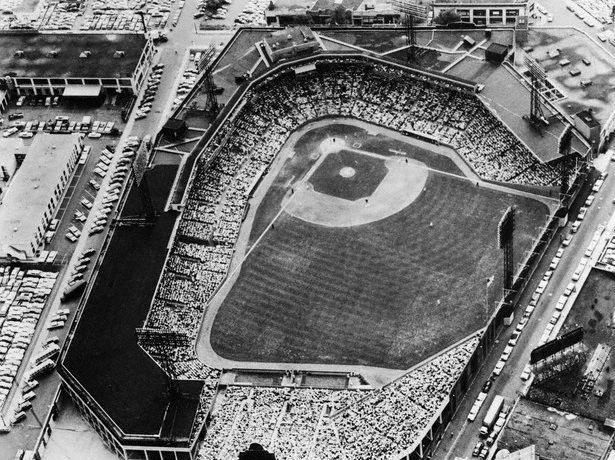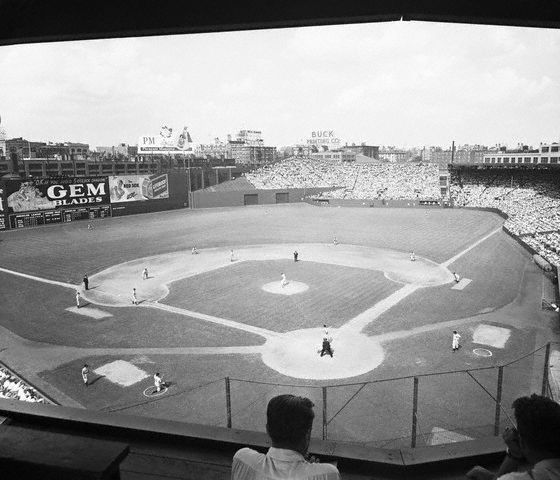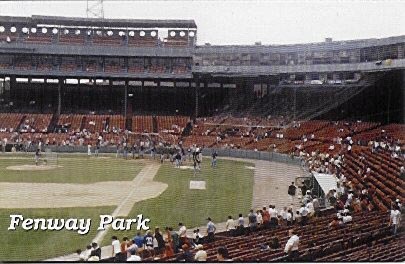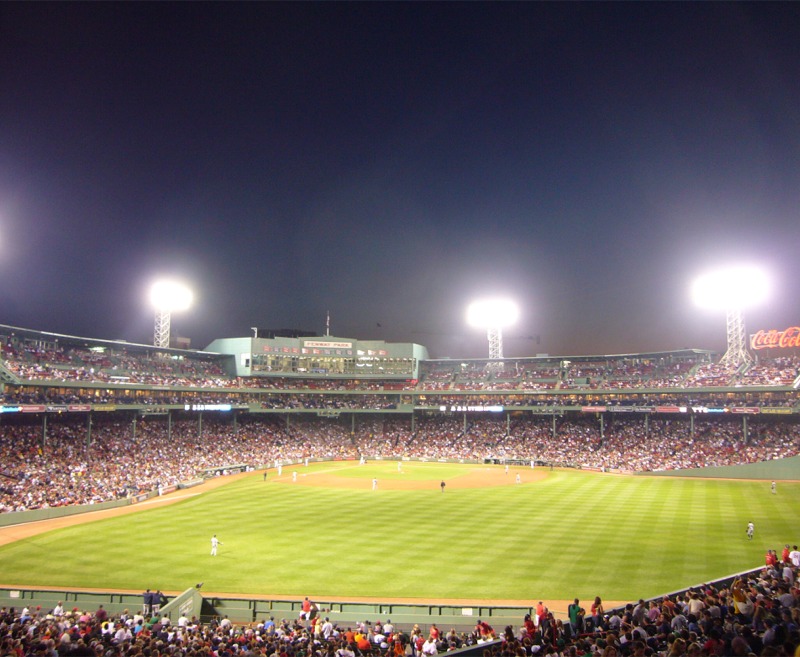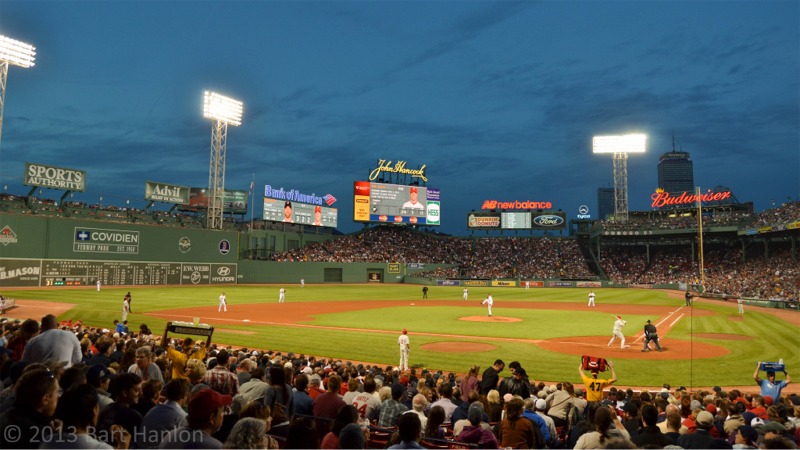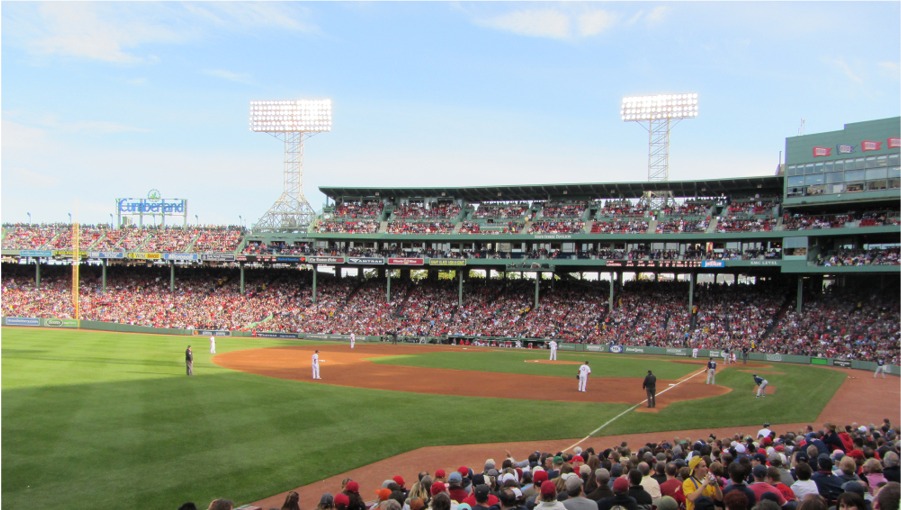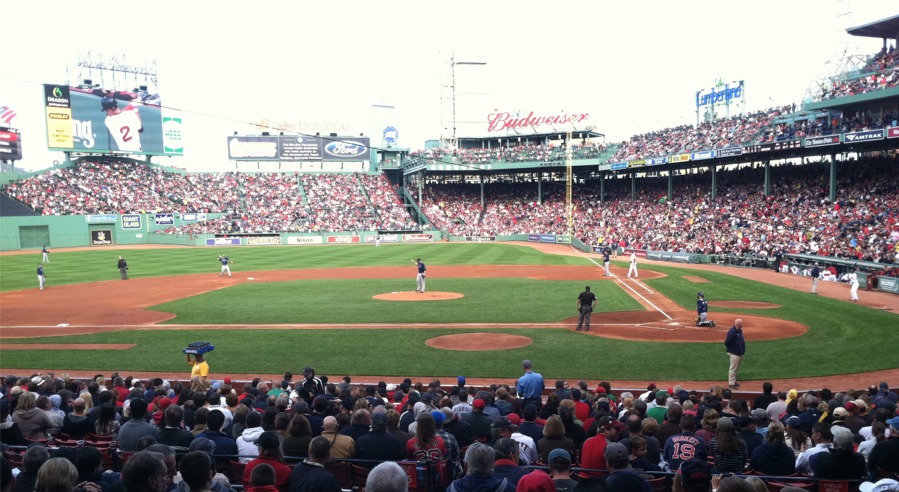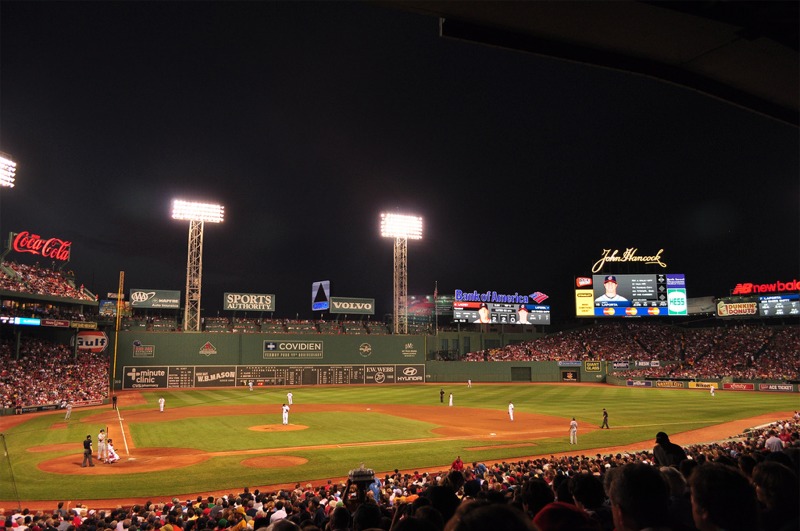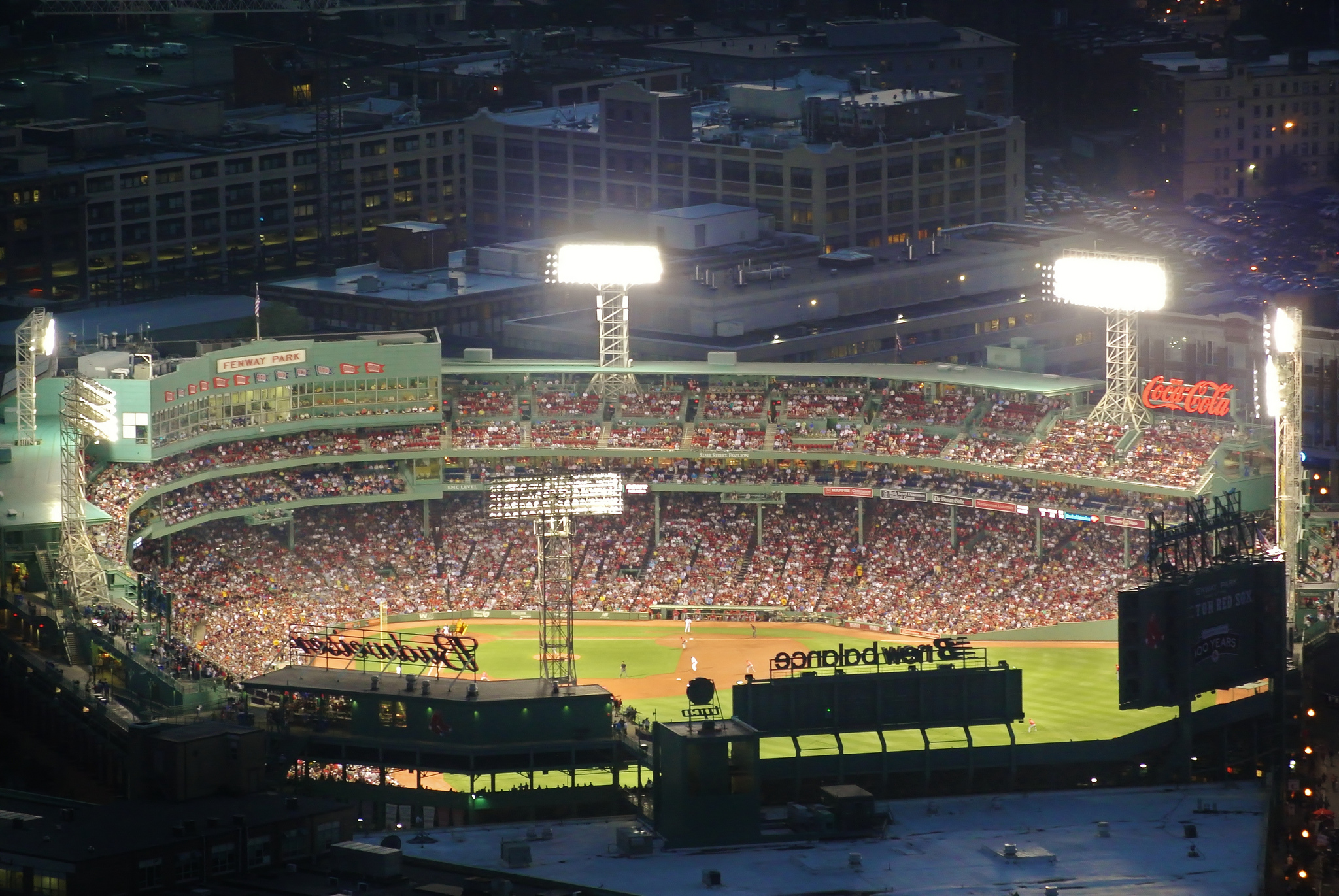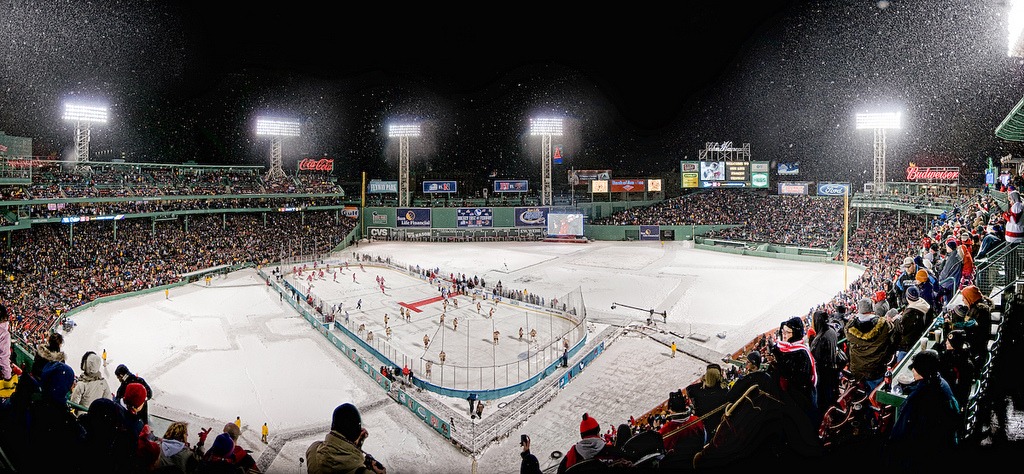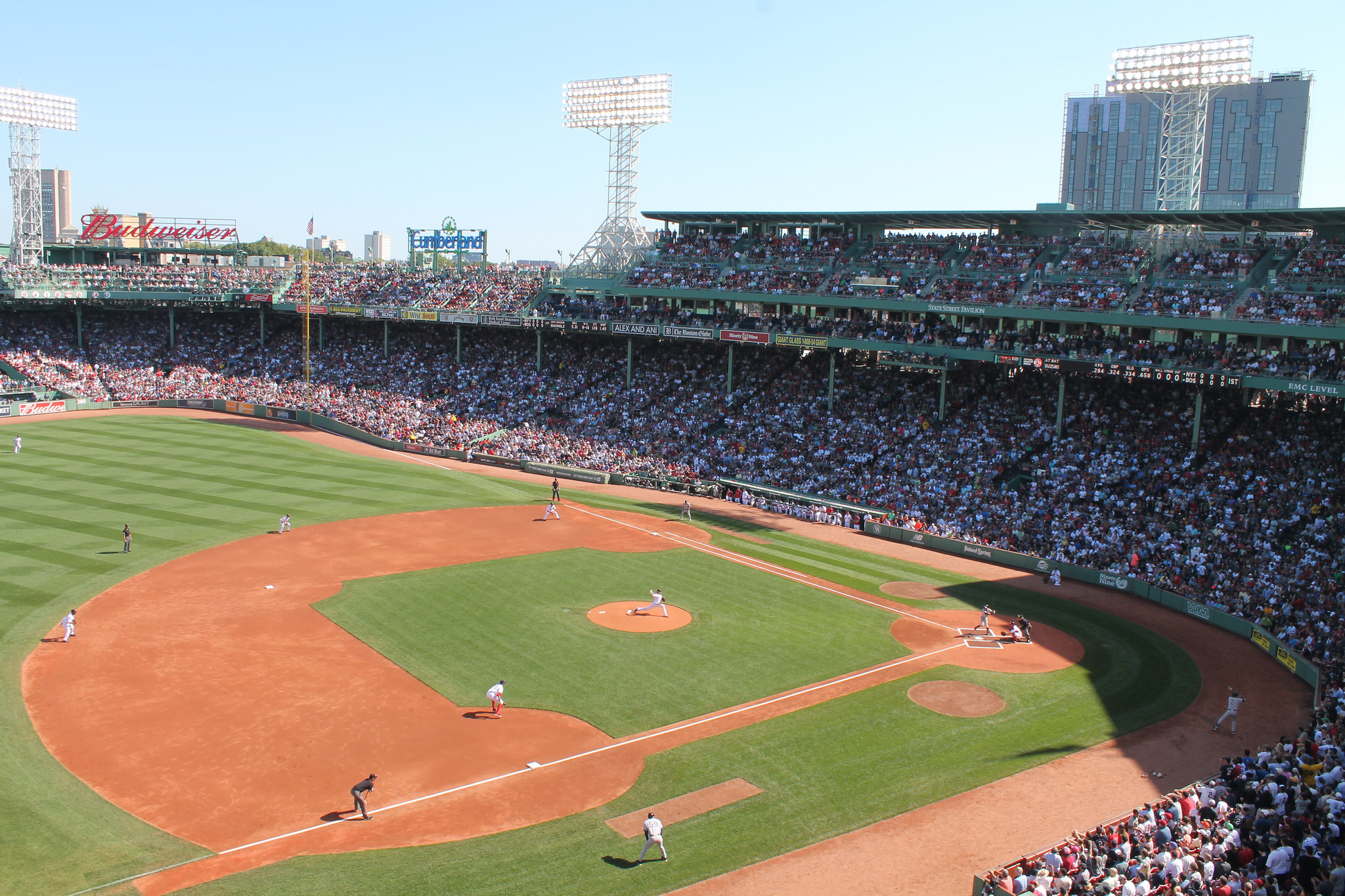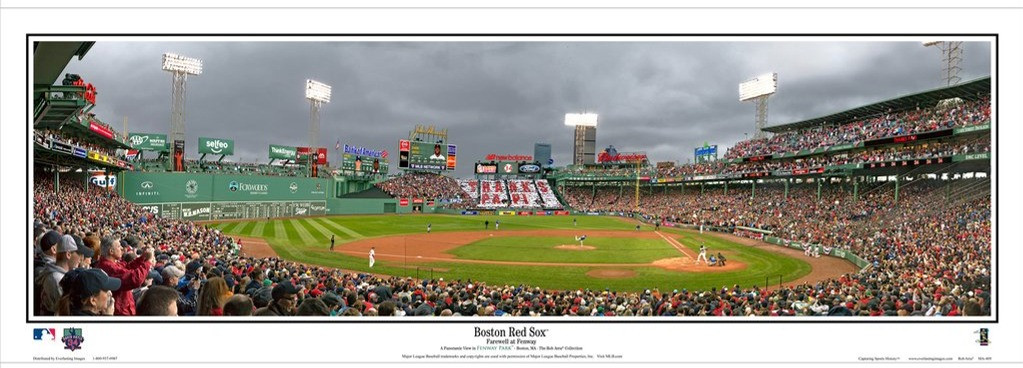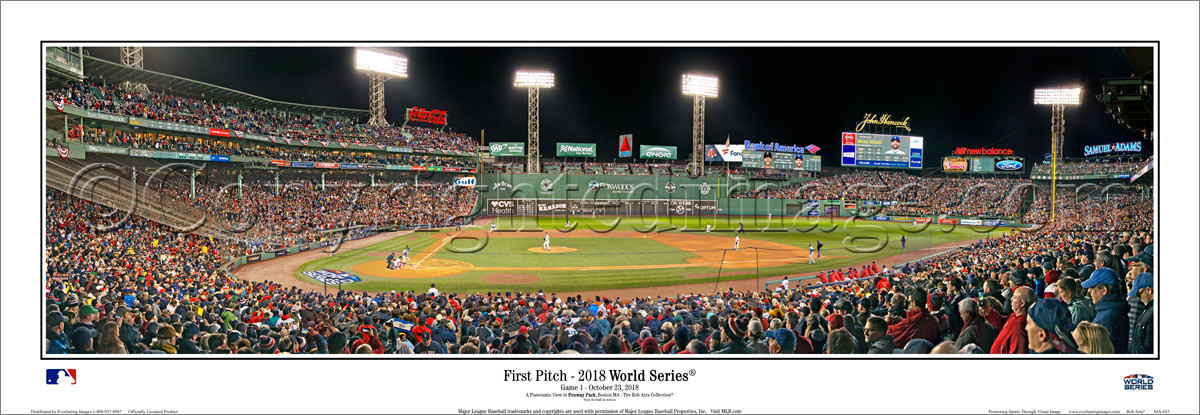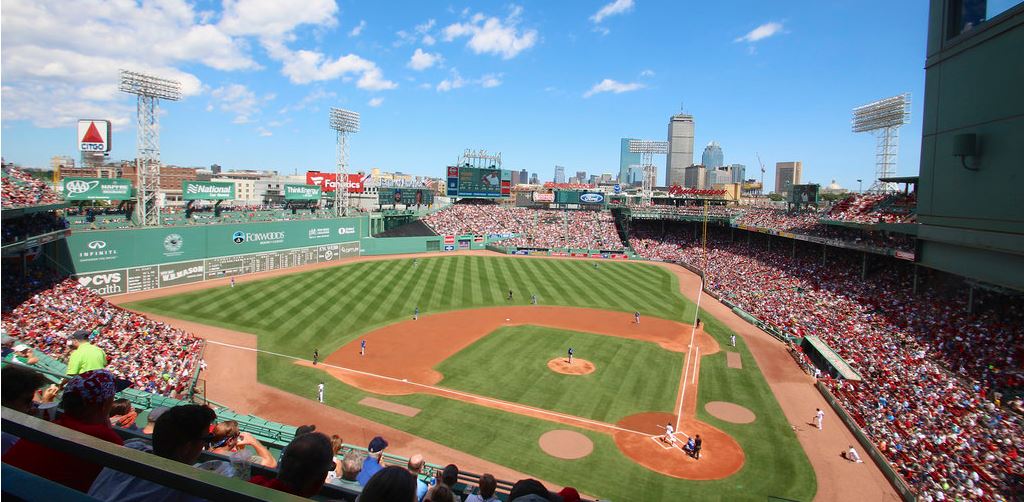
Nestled just outside of downtown Boston lies Fenway Park, baseball’s oldest and one of its most iconic ballparks. For over a century, generations of fans have gathered here to watch the Red Sox play. Despite its age—dating back to 1912—Fenway Park has retained much of its original charm and character, making it a living testament to baseball’s rich history.
The Red Sox franchise was founded in 1901 as a charter member of the American League. Originally known as the Boston Americans, the team played at Huntington Avenue Grounds from 1901 to 1911. Constructed primarily of wood, the ballpark’s seating capacity grew to 14,000 by the end of its tenure. However, the limitations of wooden construction, the risk of fire, and the rise of steel and concrete ballparks during this era prompted Red Sox owner John Taylor to seek a new home. Taylor, a real estate magnate, sold himself a parcel of land in Boston’s “The Fens” as the site for the new ballpark. Construction began in September 1911, and the project significantly increased the team’s value, leading Taylor to sell the franchise to Jim McAleer and Robert McRoy.
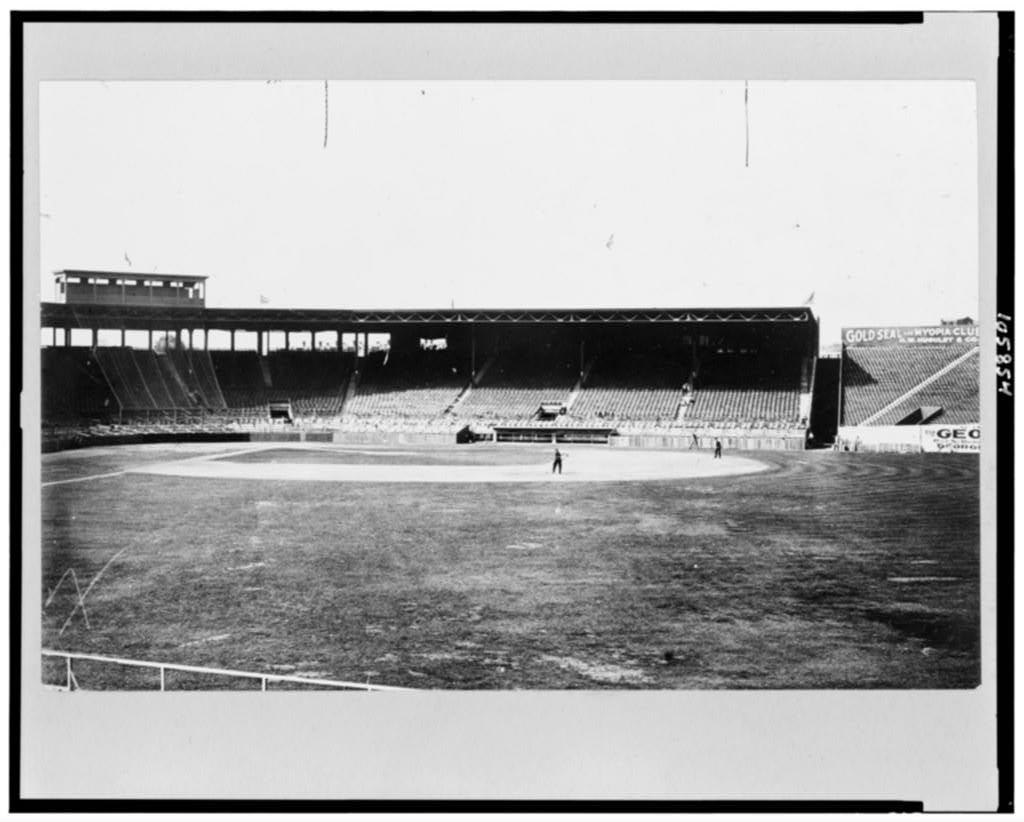
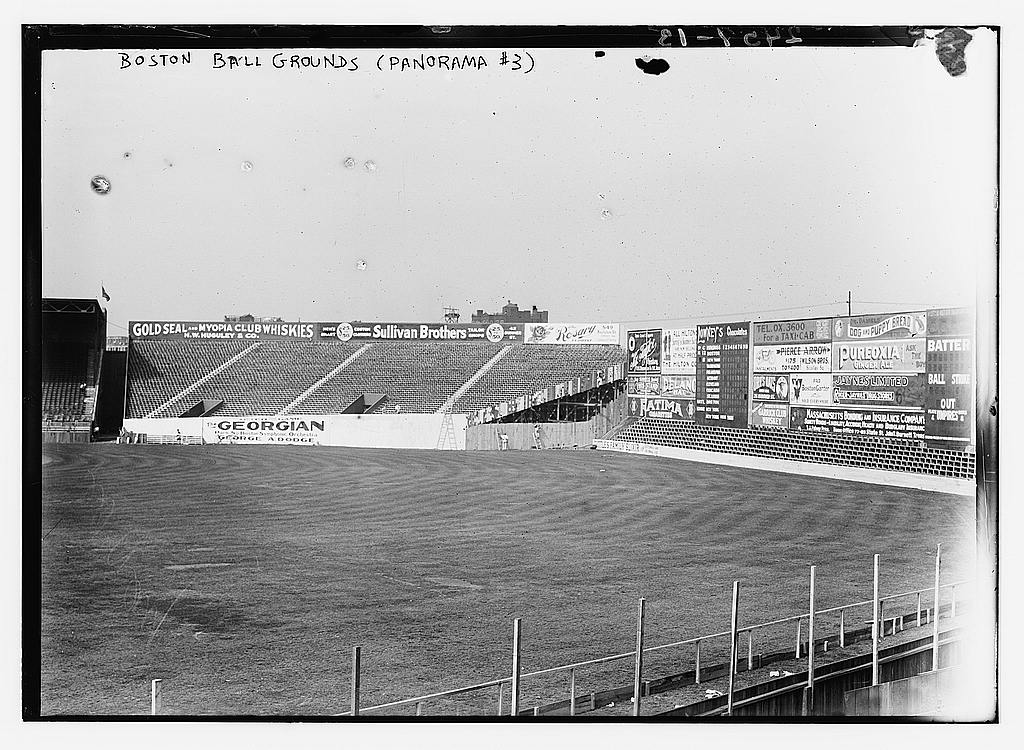
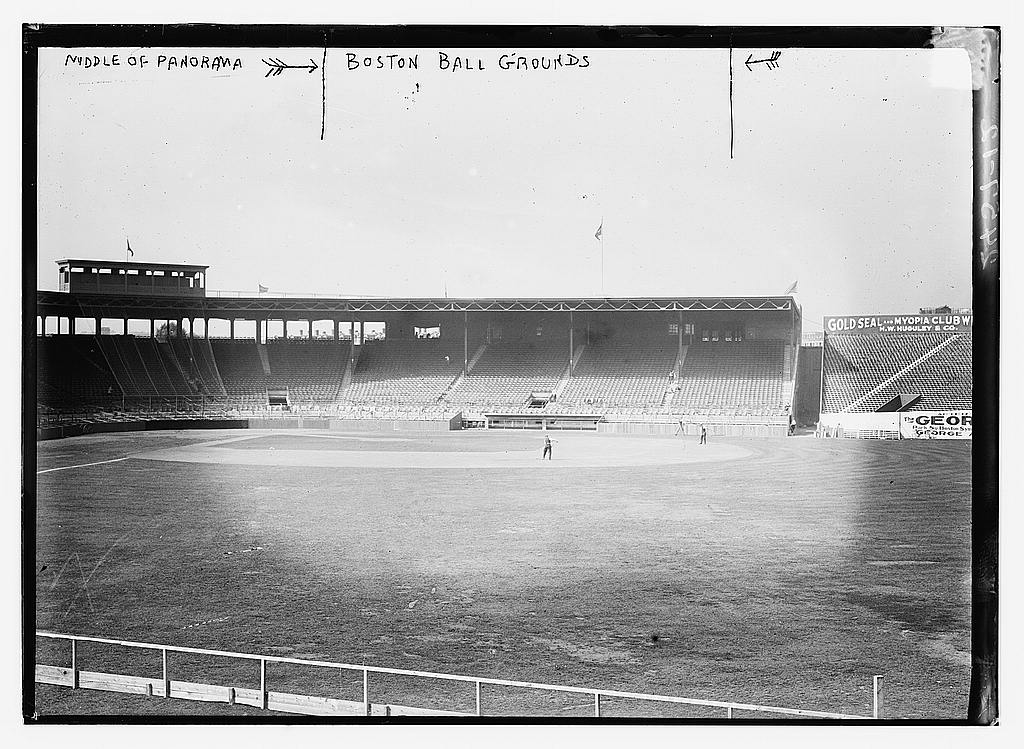
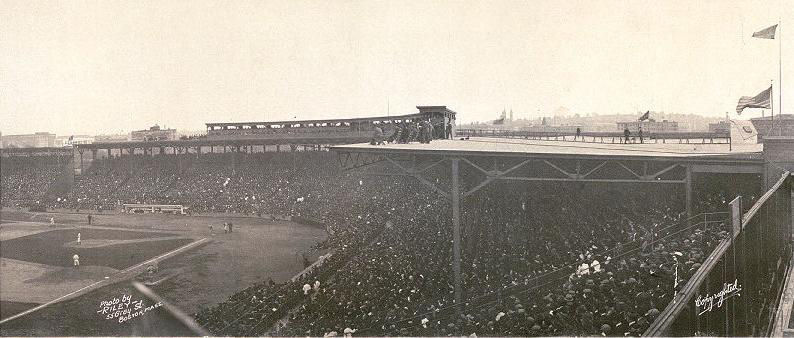
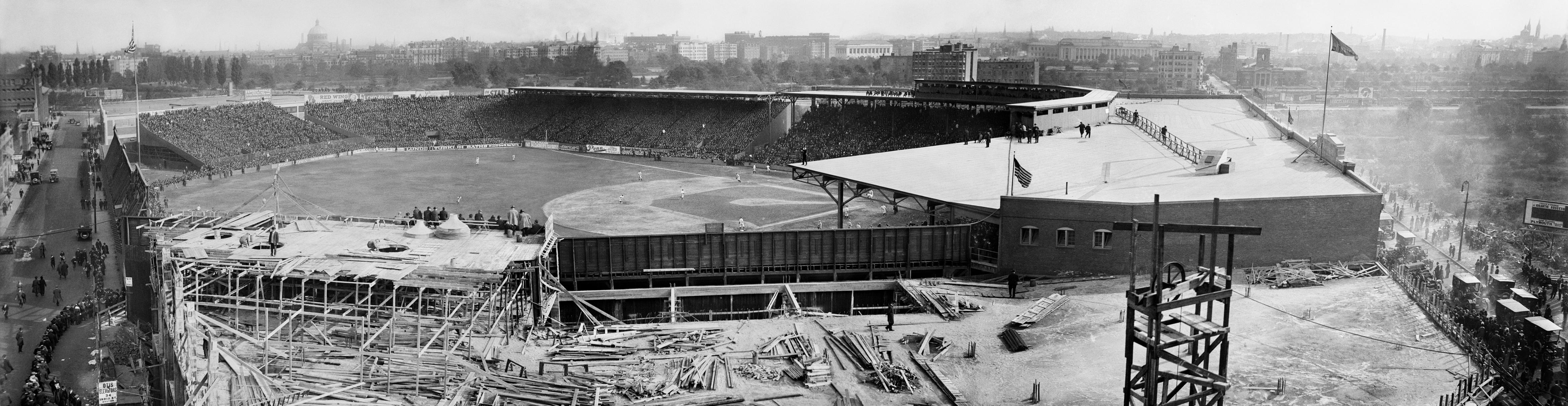
Fenway Park was completed in less than a year, and the Red Sox played their first game there on April 20, 1912, against the New York Highlanders (now the Yankees). Named after its location in The Fens, the park featured a single-tier steel and concrete grandstand that extended from behind home plate down the baselines, connecting to wooden bleachers in the outfield. The original seating capacity was 27,000, with dimensions of 321 feet to left field, 488 feet to center field, and 314 feet to right field. One unique feature was “Duffy’s Cliff,” a six-foot embankment in front of the left-field fence.
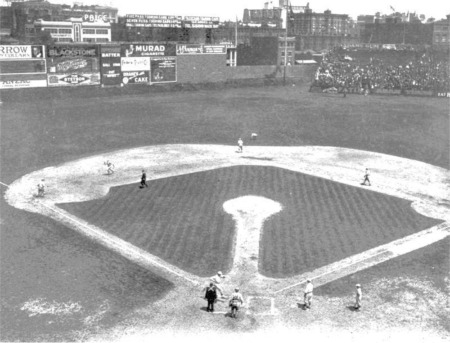
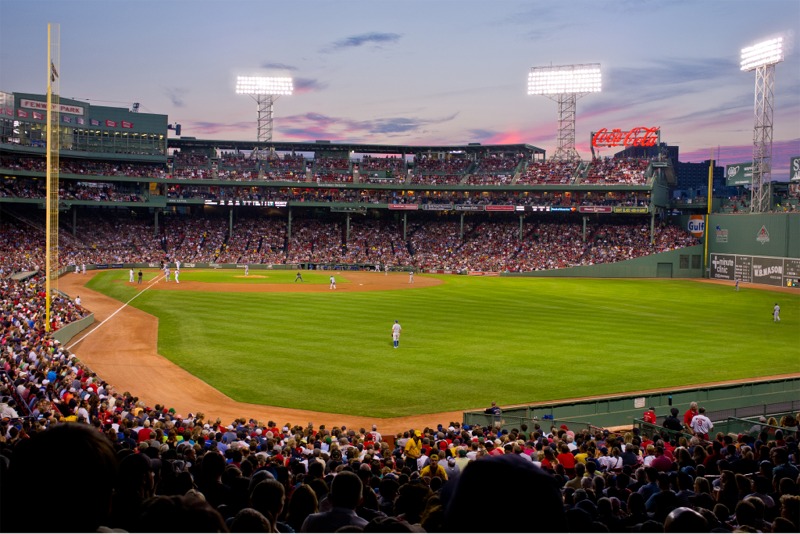
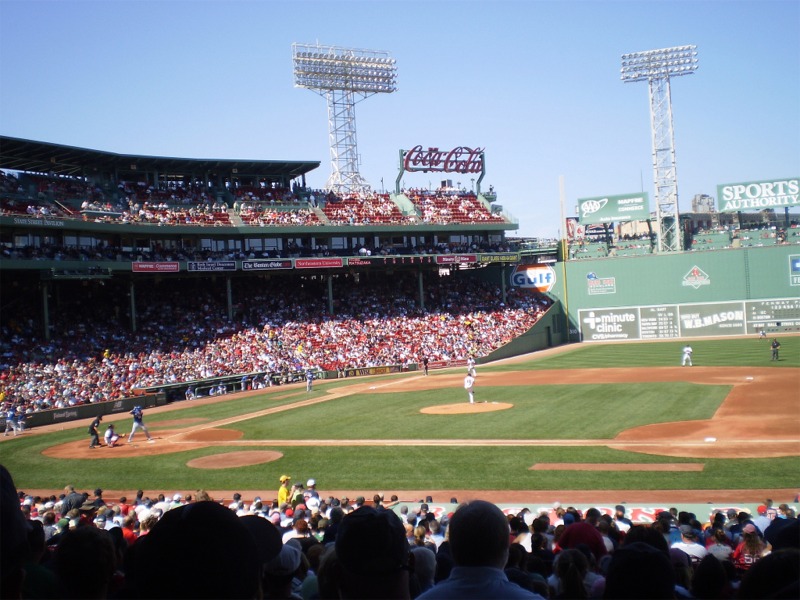
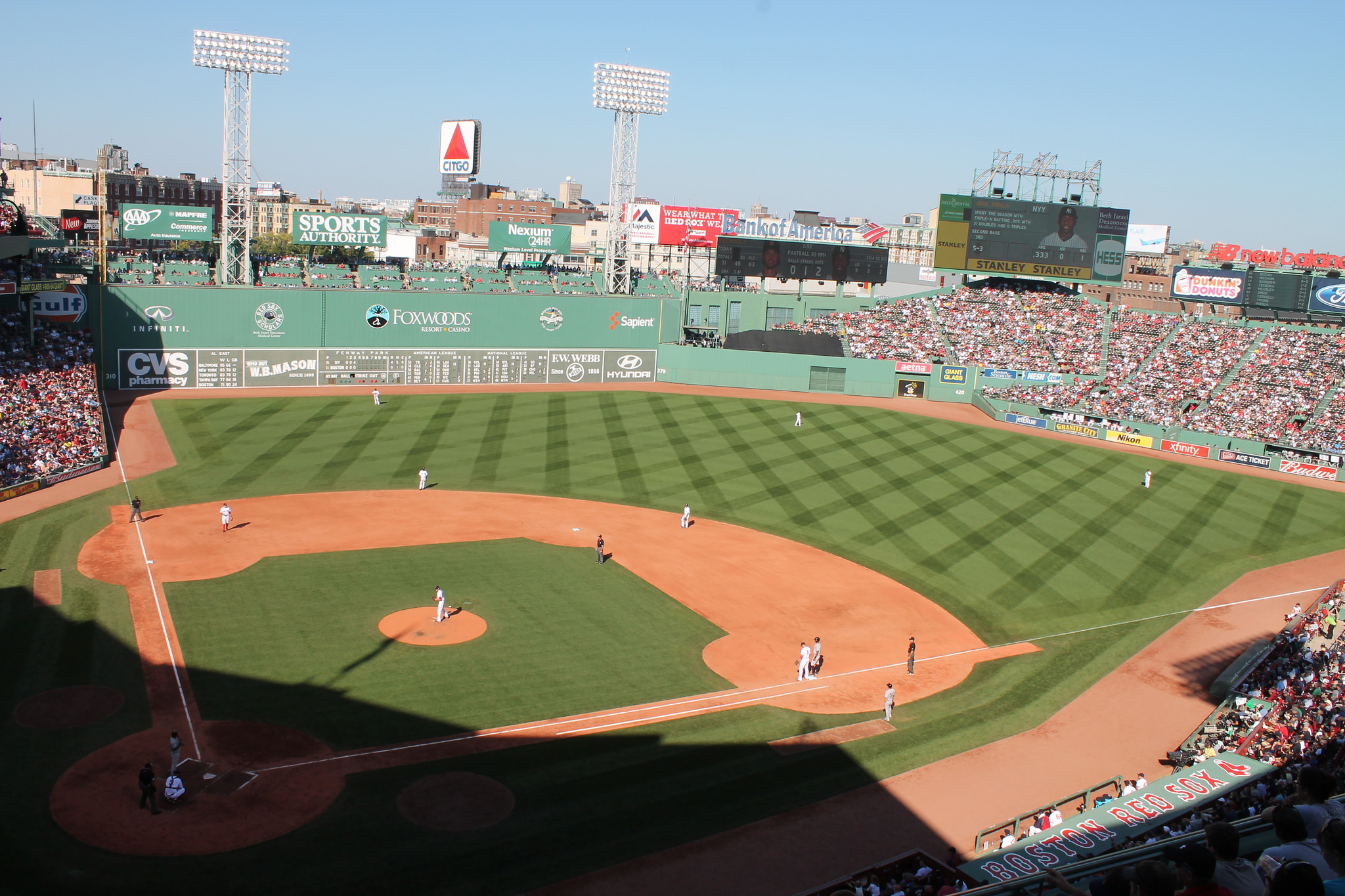
During their first decade at Fenway Park, the Red Sox were a dominant team, winning World Series titles in 1912, 1915, 1916, and 1918. However, the 1920s marked a turning point as Babe Ruth was sold to the Yankees after the 1919 season, and other star players were traded throughout the decade. In May 1926, a fire destroyed the wooden bleachers along the left-field line. In 1933, Thomas A. Yawkey purchased the team and initiated extensive renovations to Fenway Park. Duffy’s Cliff was removed, and the wooden stands in right and center field were replaced with concrete structures. The grandstand was enlarged, increasing the seating capacity to 33,817. Fenway’s most iconic feature, the Green Monster—a 37-foot-high wall in left field was added during this renovation. Initially covered with advertisements, the wall also featured a manually operated scoreboard at its base. Despite a second fire in January 1934, the ballpark was fully restored and reopened on April 17, 1934. In 1936, a 23-foot net was added atop the Green Monster to prevent balls from damaging nearby businesses.
| MEMORABLE MOMENTS AT FENWAY PARK |
|
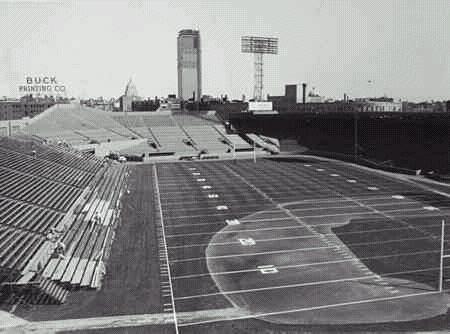
In 1940, the right-field wall was moved 20 feet closer, reducing the dimensions to 302 feet in right field and 380 feet in right-center. Bullpens were added in the newly created space, replacing the original foul-territory bullpens. A small upper deck was constructed in 1946, slightly increasing seating capacity. In 1947, the Green Monster was stripped of advertisements and painted dark green, giving it its iconic look. That same year, Fenway hosted its first night game on June 13, when the Red Sox defeated the Chicago White Sox.
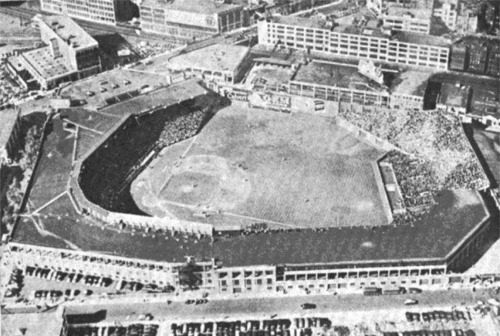
For several decades, Fenway Park saw minimal changes. Following the 1975 season, a $1.5 million electronic scoreboard was installed in center field, and the press box was expanded, enclosed in glass, and air-conditioned. The Green Monster’s tin surface was replaced with hard plastic, and in the 1980s, luxury boxes were added along the baselines. Additional seating was constructed along the right-field roof, creating a small upper deck. In 1988, a new color video scoreboard replaced the 1975 version, and the press box was converted into luxury seating, known as the 600 Club.
By the 1990s, many MLB teams were constructing new ballparks, and Fenway Park faced mounting concerns about its structural integrity and outdated facilities. Discussions arose about either renovating Fenway or building a new ballpark nearby. In 2002, new ownership—John Henry, Tom Werner, and Larry Lucchino committed to preserving and improving Fenway Park. Since then, numerous renovations and expansions have been completed. In 2003, approximately 250 Green Monster Seats were added atop the left-field wall, offering panoramic views of the ballpark. In 2004, additional seats were added to the right-field roof, and the enclosed 600 Club was renovated into an open-air seating area with 406 seats. The State Street Pavilion, featuring club-level seating along the baselines, was introduced in 2006.
Between 2009 and 2011, lower-bowl seats were replaced and refurbished, and the right-field roof seating area was expanded to accommodate 575 fans. A 38-by-100-foot HD video scoreboard was installed above the center-field bleachers. The current seating capacity is 37,221 for day games and 37,673 for night games, as a tarp is used during day games to provide a backdrop for hitters. The Red Sox have stated that Fenway’s capacity will not exceed 40,000.
The latest addition to Fenway Park, completed before the 2022 season, is the Bleacher Overlook, located behind the right-field bleachers. It includes stool seating with a drink rail and the 521 Overlook, a private deck offering panoramic views of the park.
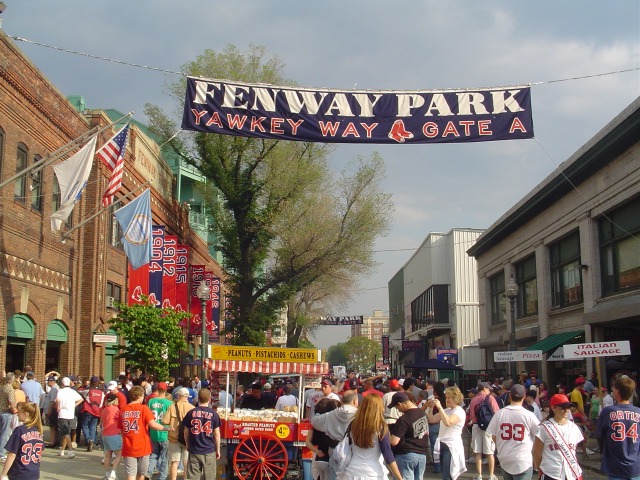
Despite its age, Fenway Park remains one of America’s most beloved ballparks. The pre-game atmosphere around the park is electric, with streets closed to traffic so fans can enjoy live music, local food, and camaraderie. Inside, Fenway’s charm is unmatched, from the intimate seating to the iconic Green Monster and manual scoreboard. Notable features include the lone red seat in right field, marking the spot of Ted Williams’ record-breaking 502-foot home run, and the retired numbers of Red Sox legends displayed on the right-field façade. The Red Sox have also enjoyed immense success this century, winning four World Series championships in 2004, 2007, 2013, and 2018. The 2013 championship was particularly special, as it was clinched at Fenway for the first time since 1918.
Fenway Park is more than a ballpark—it’s a shrine to baseball history and a cornerstone of Boston’s cultural identity.
Fenway Park Pictures