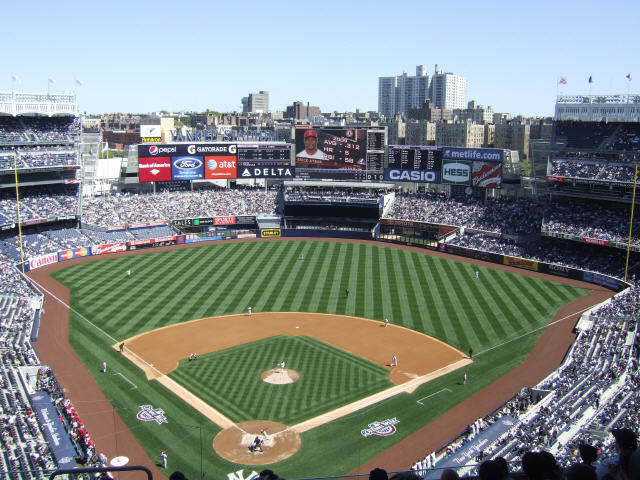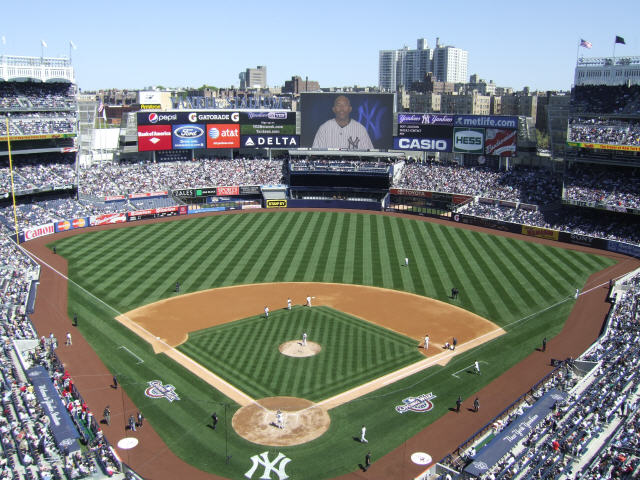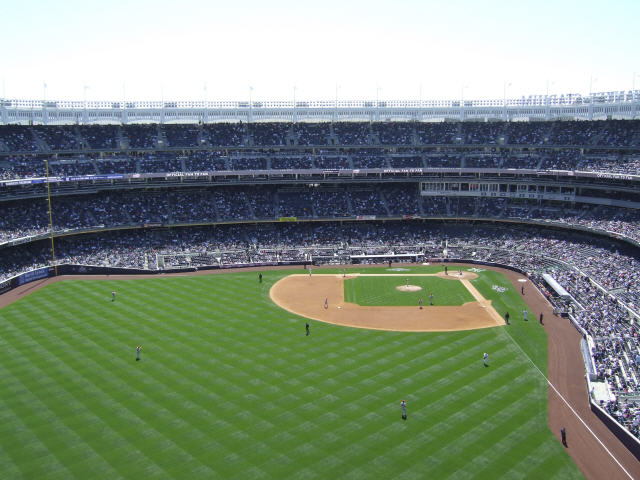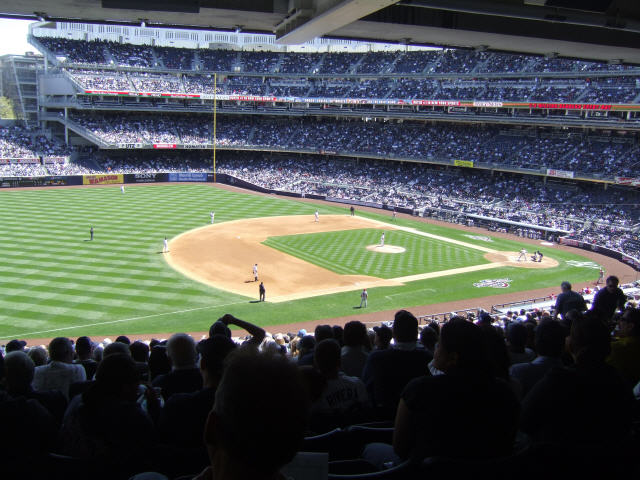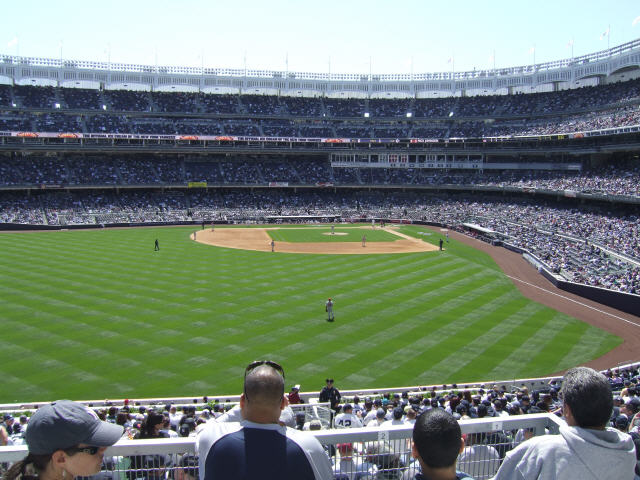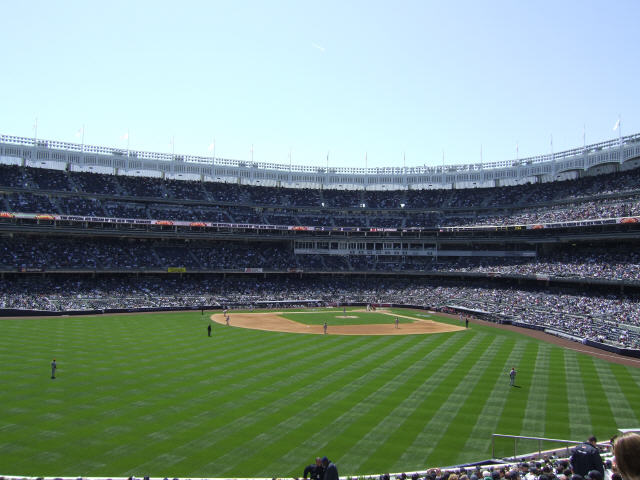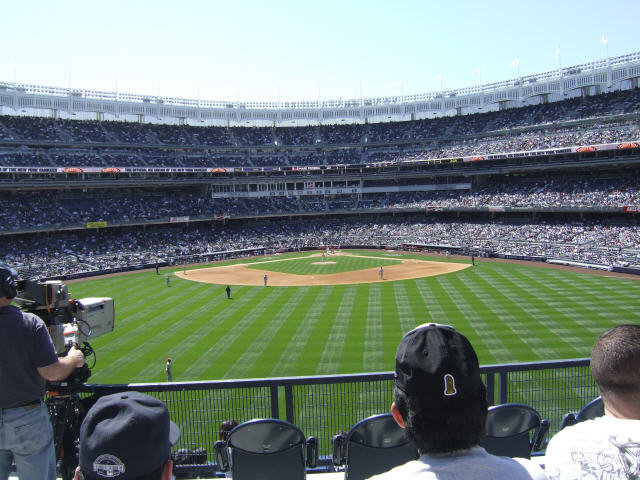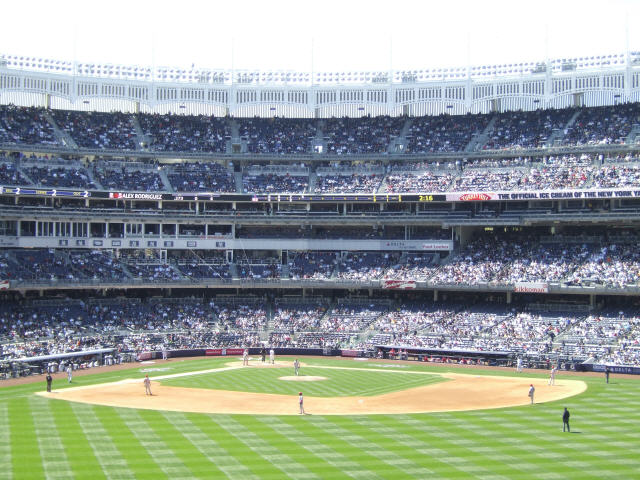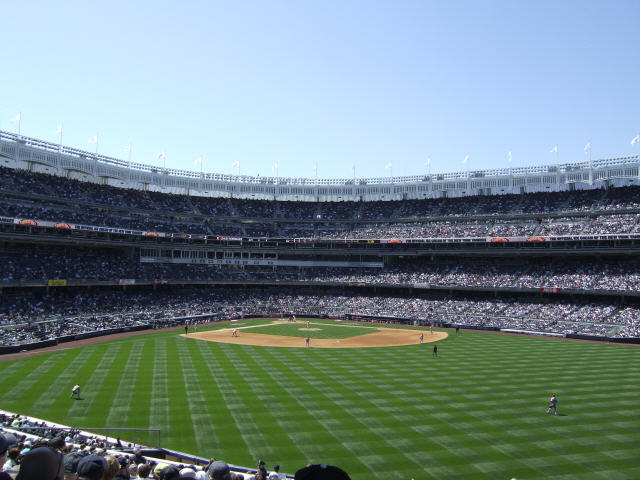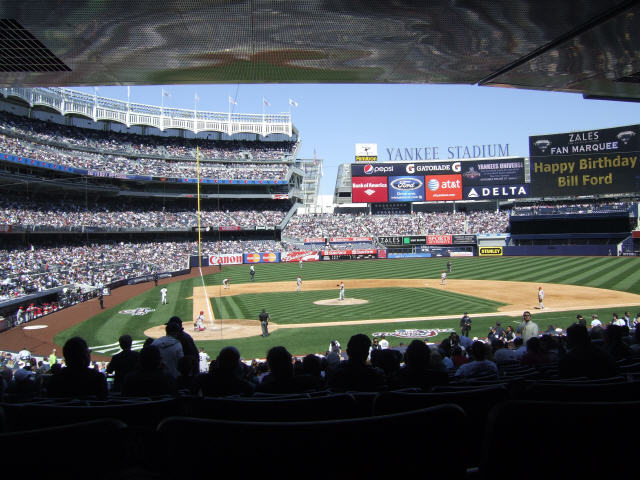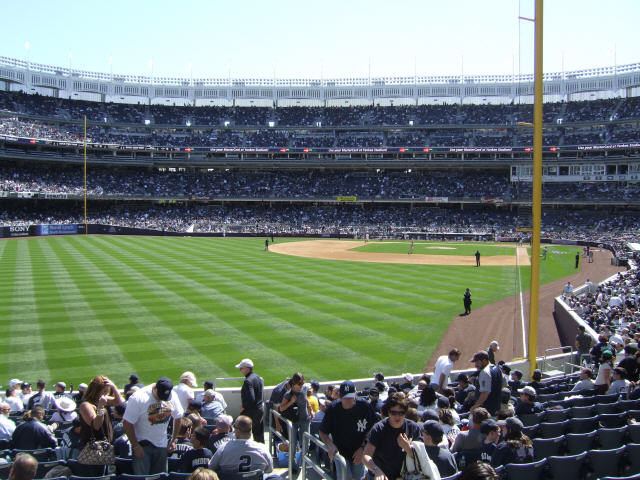
Yankee Stadium is arguably the most iconic and recognizable sports stadium in the world, serving as the home of the legendary New York Yankees. Since the 1920s, the Yankees have played in two stadiums bearing this name: the historic original Yankee Stadium, which opened in 1923 and closed in 2008 after hosting 26 World Series Championship wins, and the new Yankee Stadium, which has been their home since 2009.
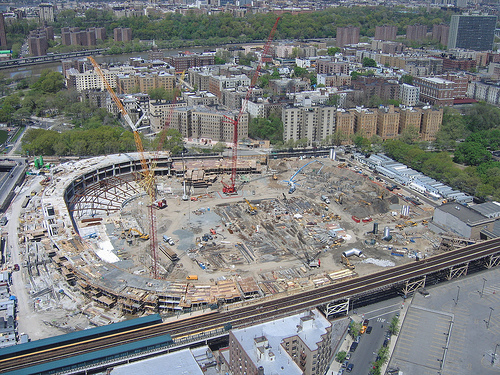
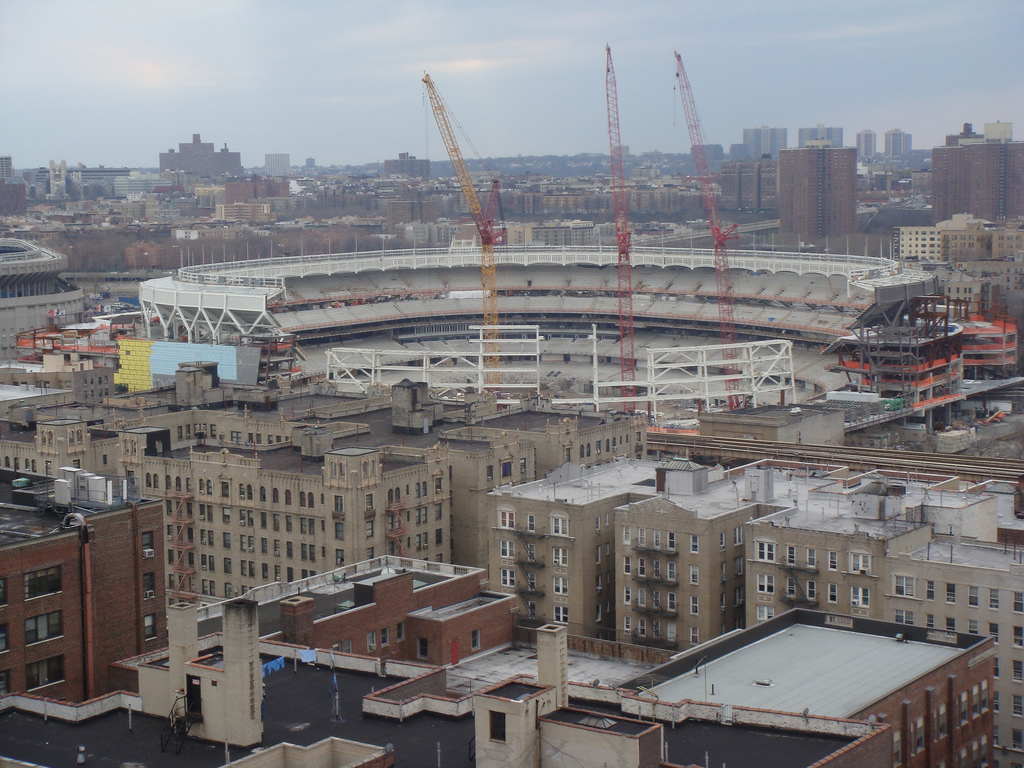
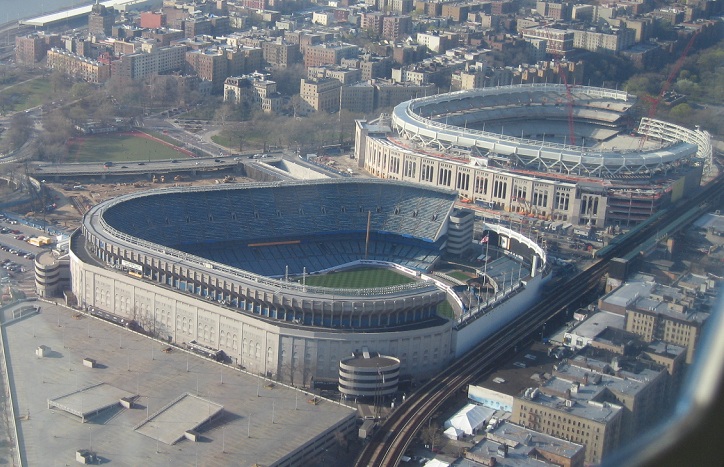
When the original Yankee Stadium opened in 1923, it was the largest and most magnificent stadium in baseball, home to some of the sport’s most legendary players and teams. By the late 1960s and early 1970s, the stadium had deteriorated significantly, leading to an extensive renovation and rebuilding project between 1974 and 1976. In the 1990s and early 2000s, as nearly every MLB team built a new ballpark, the Yankees faced pressure to modernize. While many fans and traditionalists preferred the team remain at the historic stadium, the organization sought a new venue to increase revenue and provide enhanced amenities for fans. After years of discussion and speculation, the Yankees officially announced plans for a new stadium in June 2005. Built adjacent to the original Yankee Stadium, construction began on August 16, 2006. The Yankees financed the $1.6 billion project, with the City of New York contributing $220 million for infrastructure and neighborhood improvements.
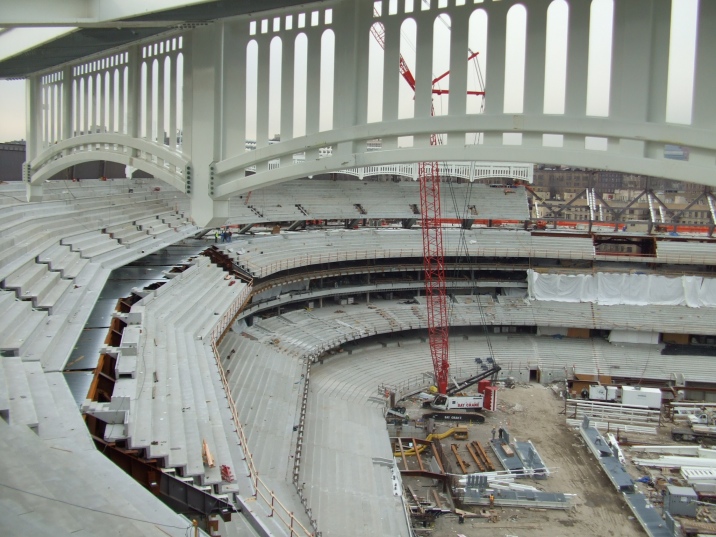
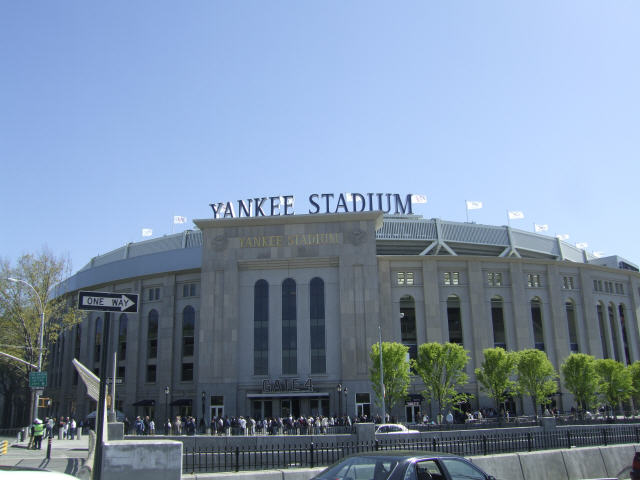
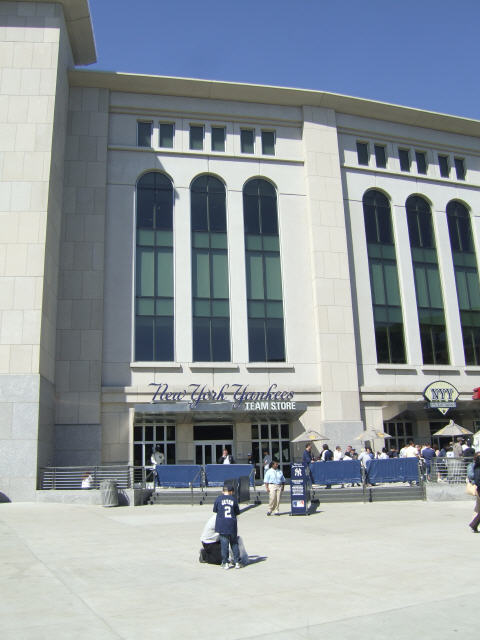
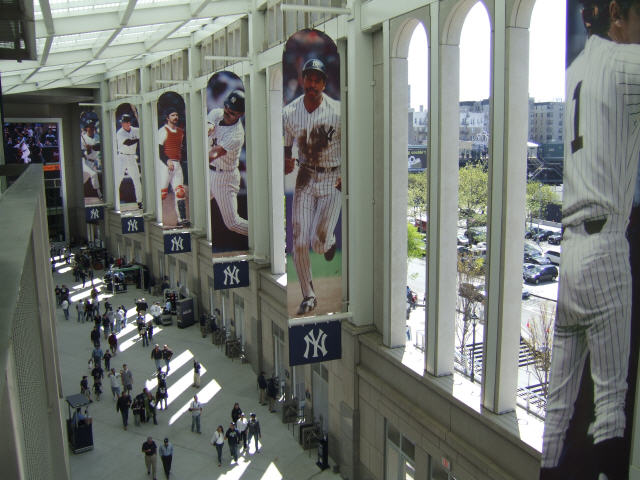
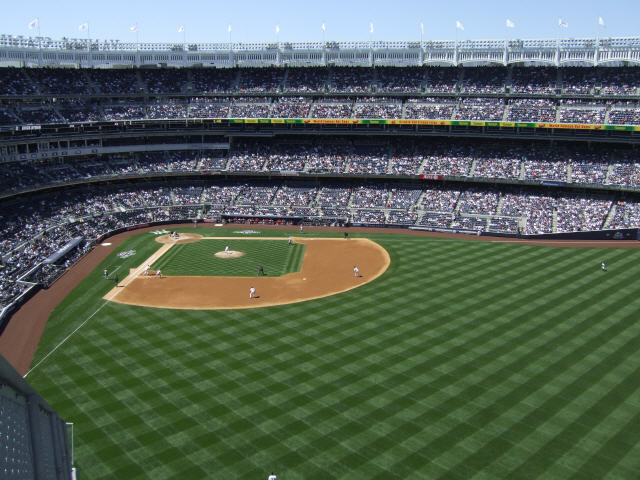
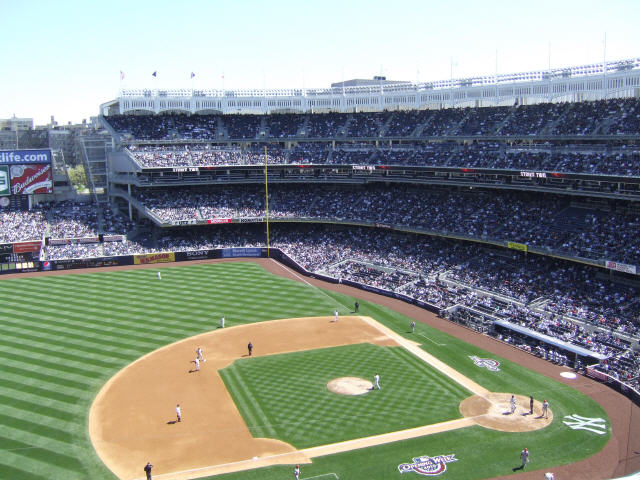
A new chapter in Yankees history began on April 16, 2009, when the team played their first game at the new Yankee Stadium against the Cleveland Indians. The design of the new stadium pays homage to the original, replicating its iconic façade and many of its unique features. The structure consists of two parts: the exterior, made of limestone and granite, which replicates the 1923 stadium’s façade and is known as the Great Hall, and the interior stadium, which rises above the exterior. The Great Hall spans 31,000 square feet and serves as the main concourse. From the outside, the two structures appear as one cohesive building, mirroring the materials and design of the original. Inside, the stadium boasts cavernous concourses, open spaces, and unobstructed views of the field from nearly every angle. The signature copper frieze and latticework that adorned the roof of the original stadium are featured in the new stadium.
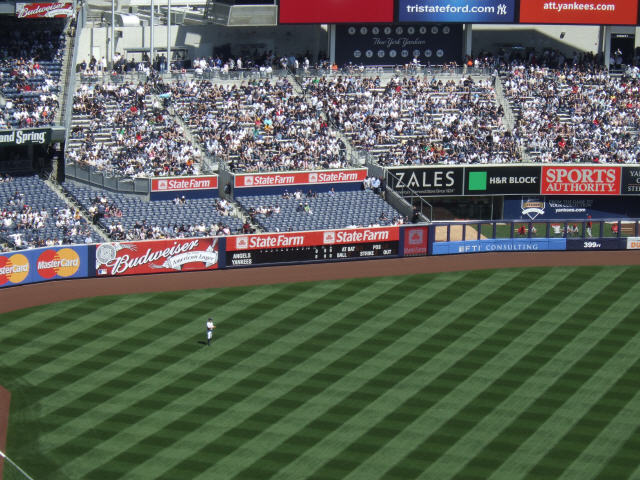
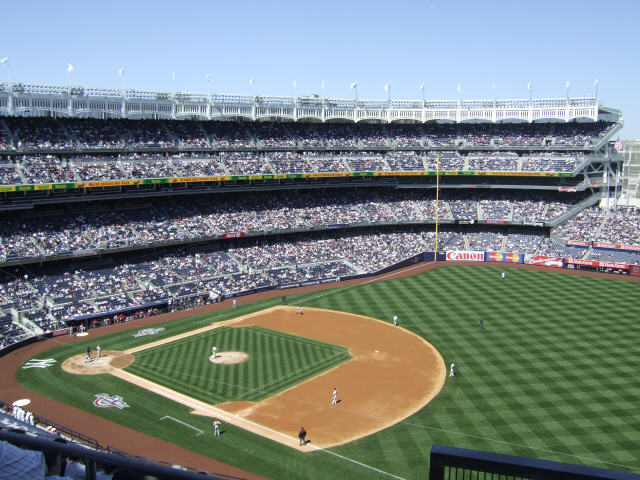
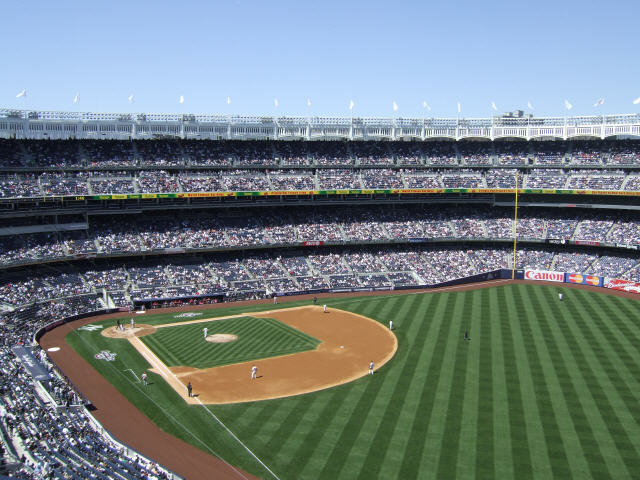
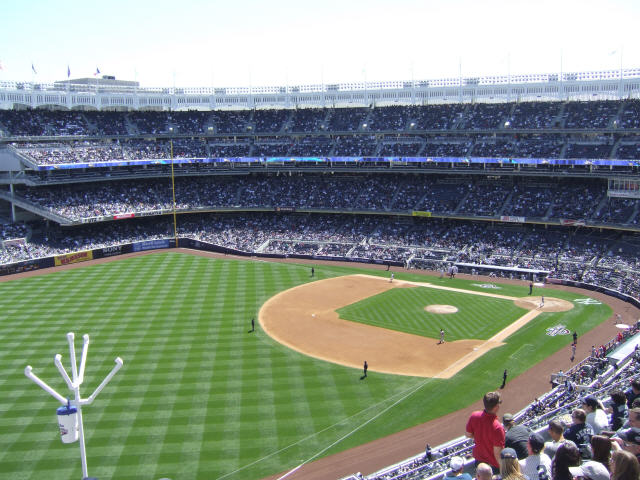
Yankee Stadium seats approximately 52,000 fans. The main grandstand features four levels stretching from foul pole to foul pole, with nearly 30,000 seats in the first two levels. The third level includes 56 luxury suites, while the fourth level offers a split-level upper deck. Fans of the old stadium’s bleachers can enjoy a similar experience in the new stadium, which maintains the same number of bleacher seats and includes a dedicated food court.
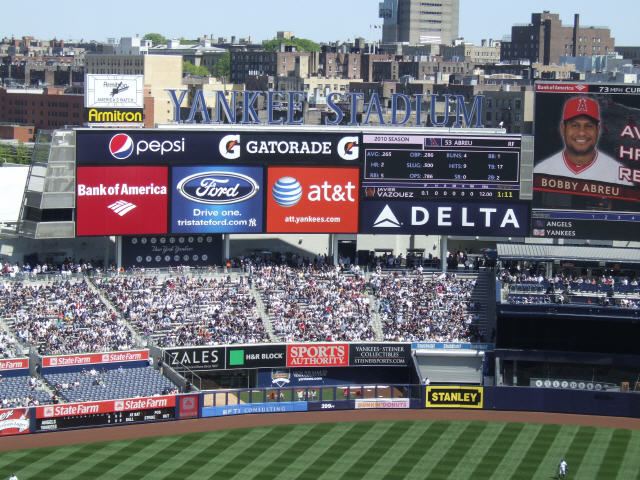
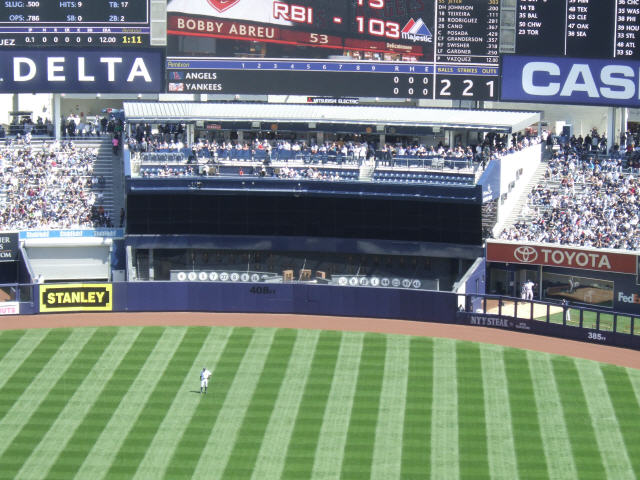
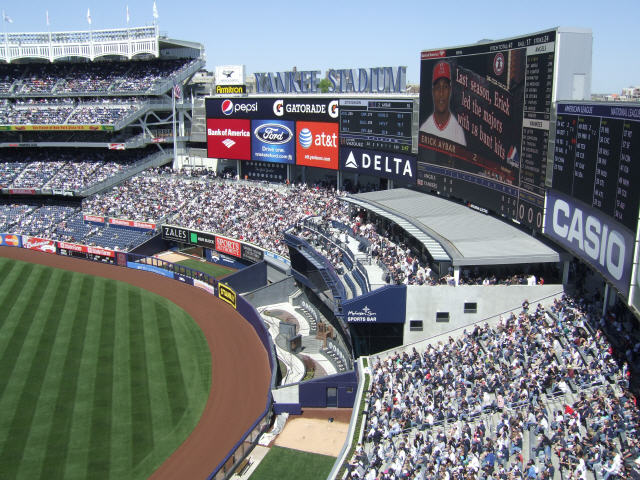
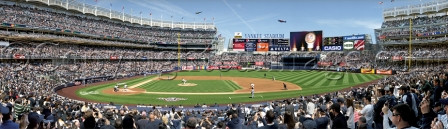
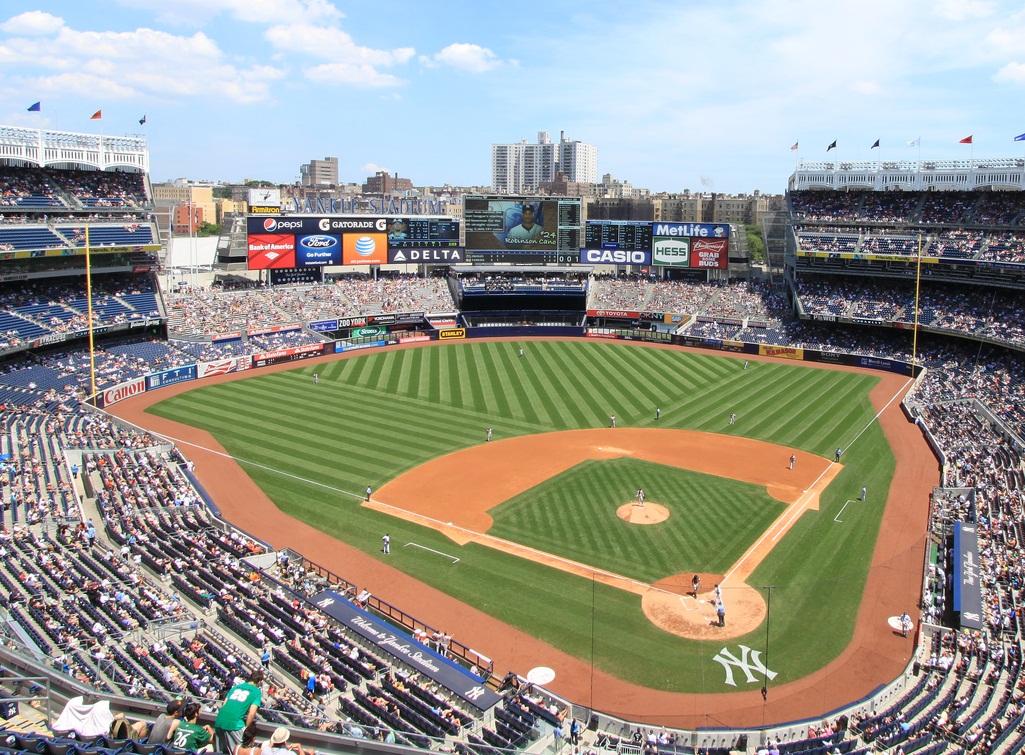
Monument Park, located beyond the center-field fence, honors the Yankees’ storied history with monuments, plaques, and retired numbers commemorating the team’s greatest players. The field dimensions and bullpen placements match those of the old Yankee Stadium, preserving its legendary layout. A high-definition video scoreboard, measuring 56 feet by 101 feet, towers above the center-field bleachers. Additional hand-operated auxiliary scoreboards are built into the right-center and left-center field fences.
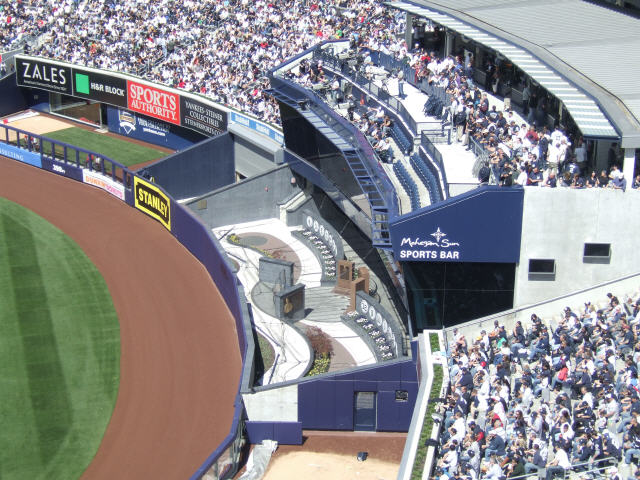
The stadium offers a wide range of amenities, including luxury and party suites, club seating, a martini bar, a steakhouse, and picnic areas. Fans can visit the Yankees Museum, which showcases memorabilia from the team’s illustrious history, or enjoy a meal at the Hard Rock Café, both located in the Great Hall.
Since its opening, Yankee Stadium has undergone few major changes. The most significant upgrade came before the 2017 season, when a $20 million project removed 1,100 obstructed-view bleacher seats and 600 Terrace Level seats. These were replaced with social spaces such as the Batter’s Eye Café and the Budweiser Party Decks. A children’s zone, the Sunrun Kids Clubhouse, was also added on the 300 level in right field. The 2,850-square-foot area features a mini-baseball field, Yankees-themed playground equipment, and oversized baseballs and bases. Before the 2026 season, the center field videoboard was replaced with a new 5,900 square foot HD board.
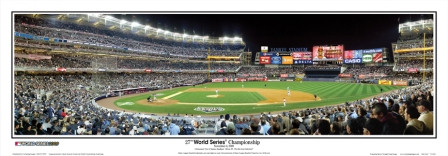
In 2009, the Yankees achieved the same feat as the 1923 team, winning the World Series in their stadium’s inaugural season. In 2024, the stadium hosted its second World Series, a historic matchup between the Yankees and the Los Angeles Dodgers.
Like its predecessor, the new Yankee Stadium is a versatile venue that hosts events beyond baseball. It is home to the annual Pinstripe Bowl (NCAA football) and has hosted Notre Dame and Army college football games, boxing matches, soccer games, concerts, and two New York Rangers hockey games during the 2014 NHL Stadium Series.
Yankee Stadium continues to stand as a symbol of the Yankees’ legacy, blending the nostalgia of the past with the innovations of the present, ensuring it remains a cornerstone of New York’s sports and cultural history.
Yankee Stadium Pictures