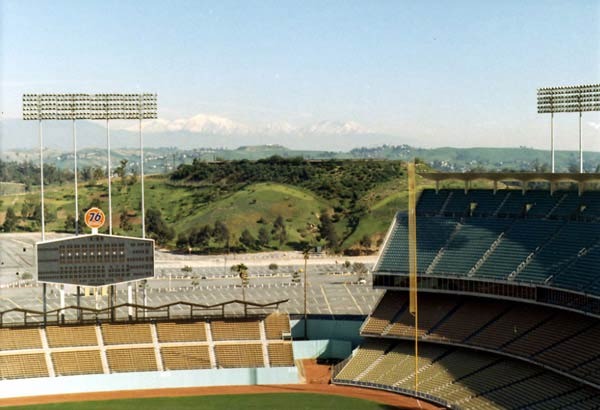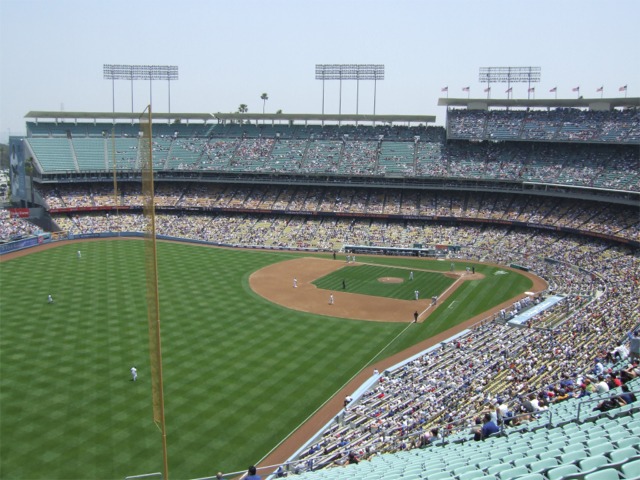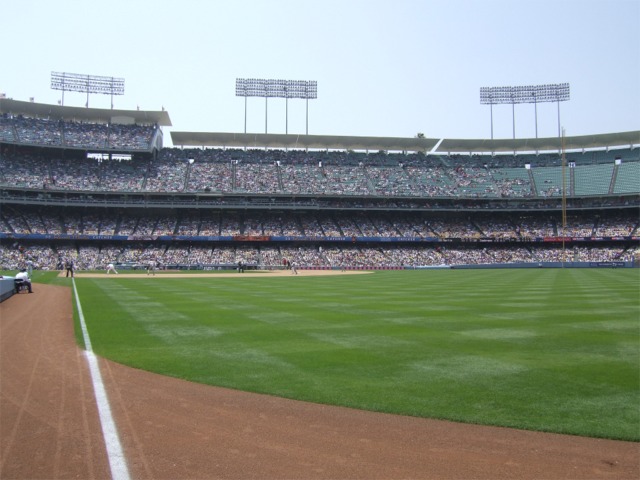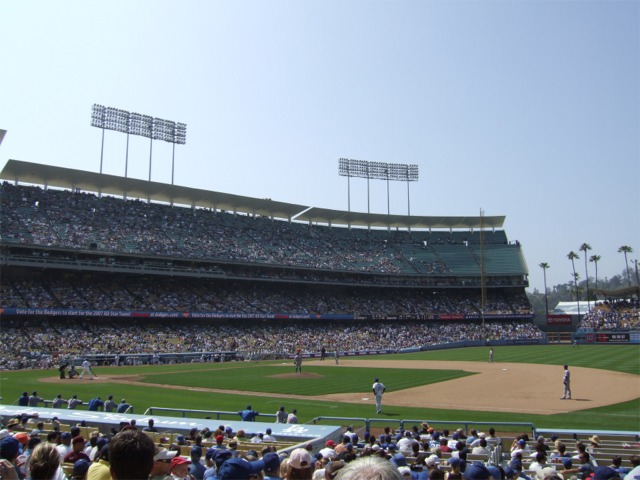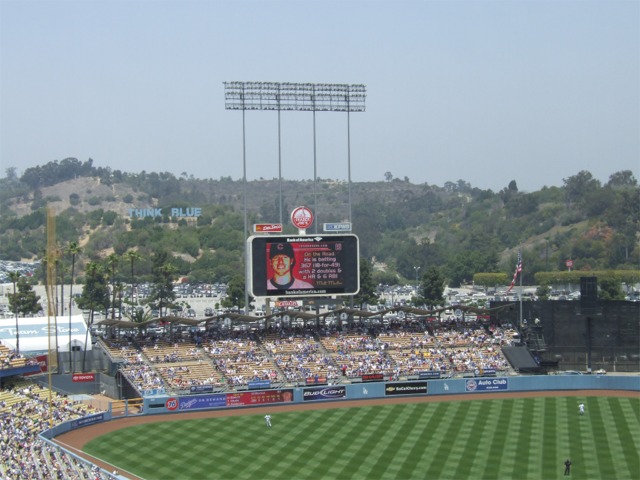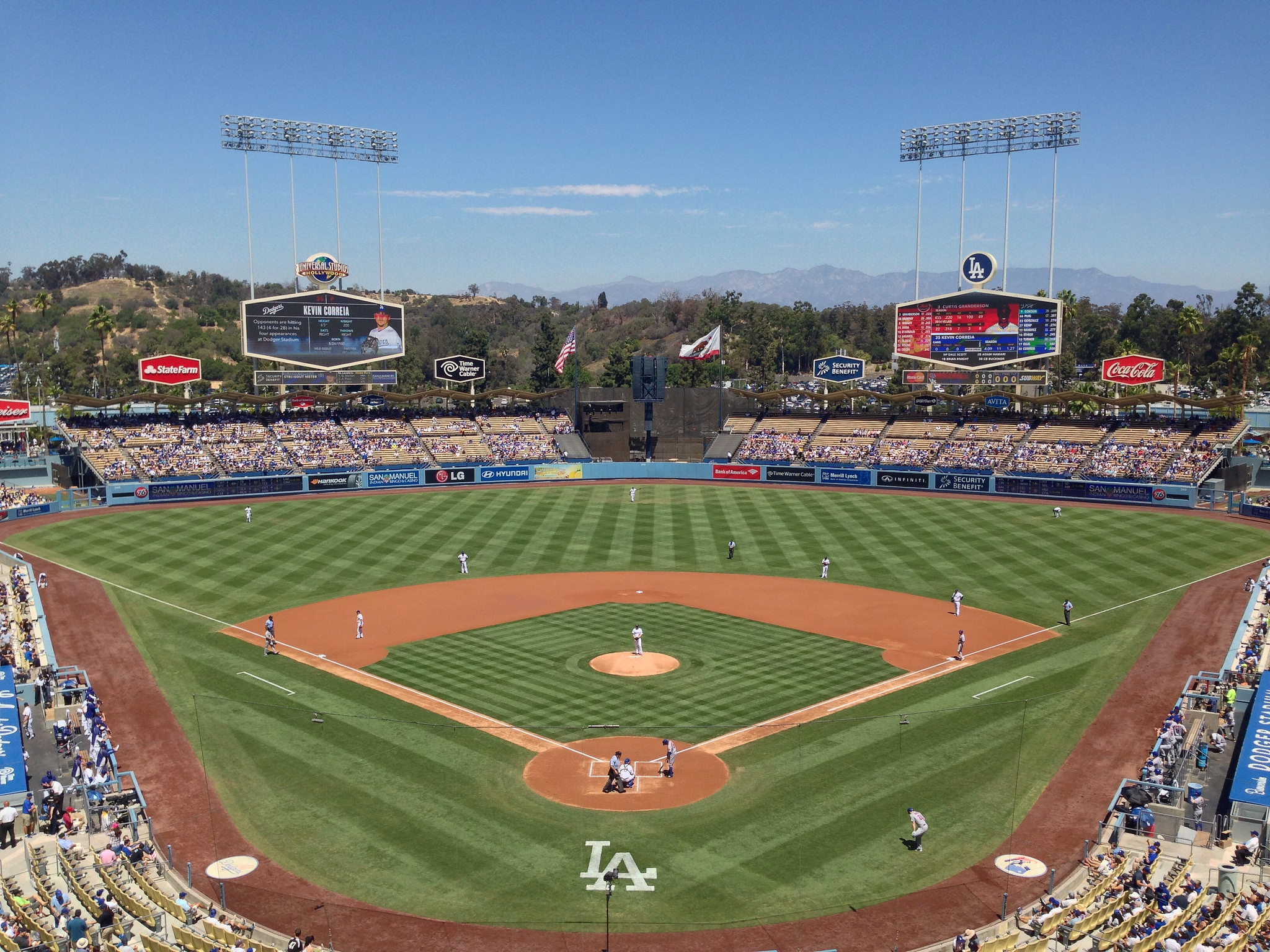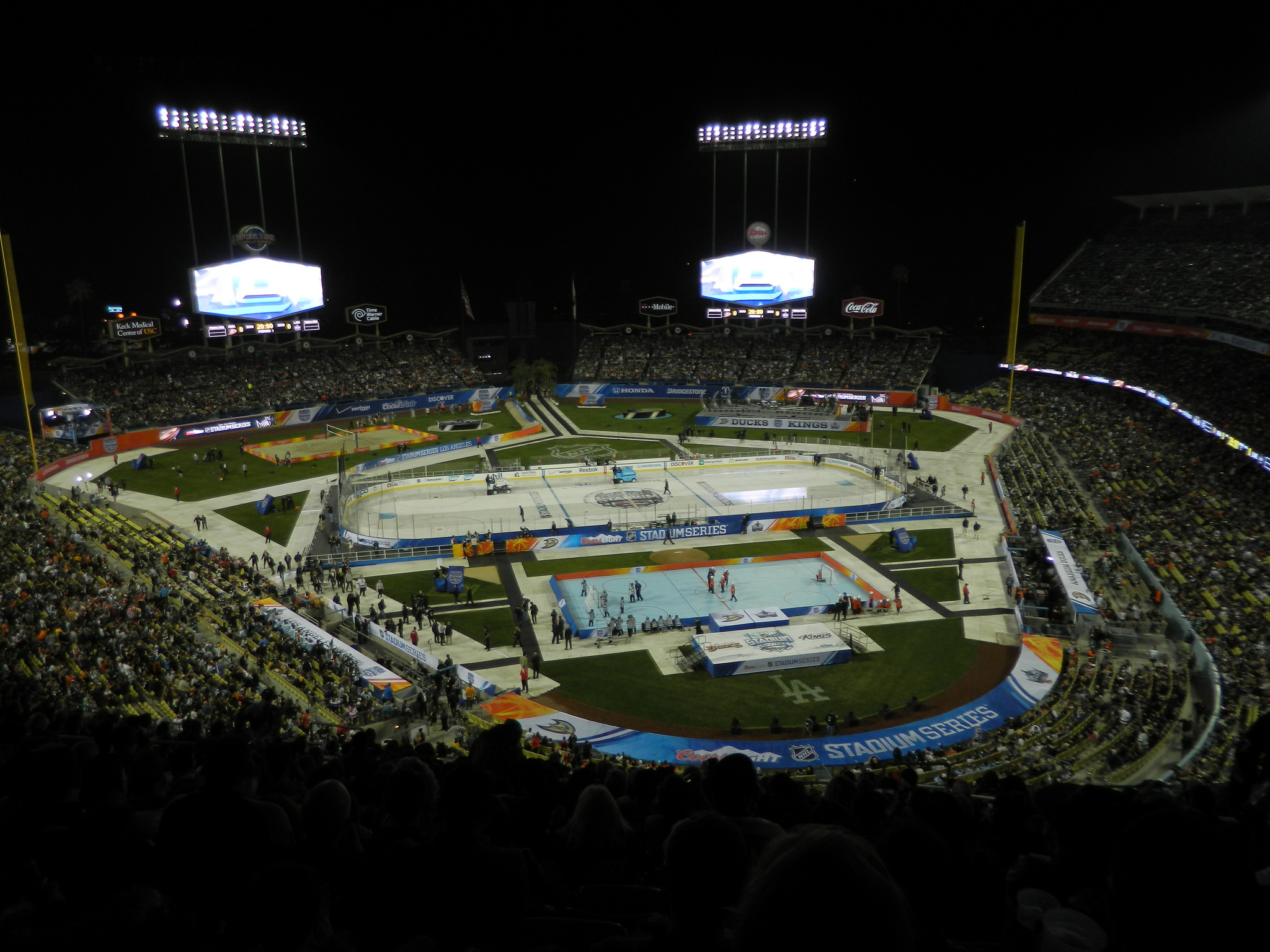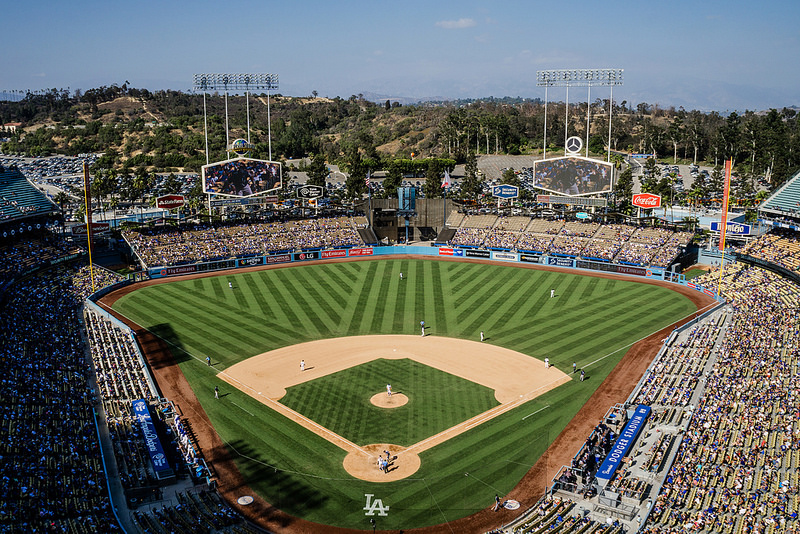
Set against a backdrop of swaying palm trees and the San Gabriel Mountains, there is no mistaking the iconic Dodger Stadium. Despite being the third-oldest Major League Baseball park—trailing only Fenway Park and Wrigley Field—it remains modern and vibrant, thanks to numerous renovations that have preserved its timeless charm.
The Dodgers franchise began in Brooklyn, New York, where they played at the legendary Ebbets Field for 44 seasons. In 1950, Walter O’Malley purchased the team and began searching for a new ballpark in Brooklyn. However, local politics and resistance thwarted his efforts, forcing O’Malley to look elsewhere. During the 1950s, cities on the West Coast, including Los Angeles, experienced rapid population growth and sought to attract professional sports teams. Following the 1957 season, both the Dodgers and the New York Giants—who faced similar stadium challenges at the Polo Grounds decided to relocate to California, with the Dodgers moving to Los Angeles and the Giants to San Francisco.
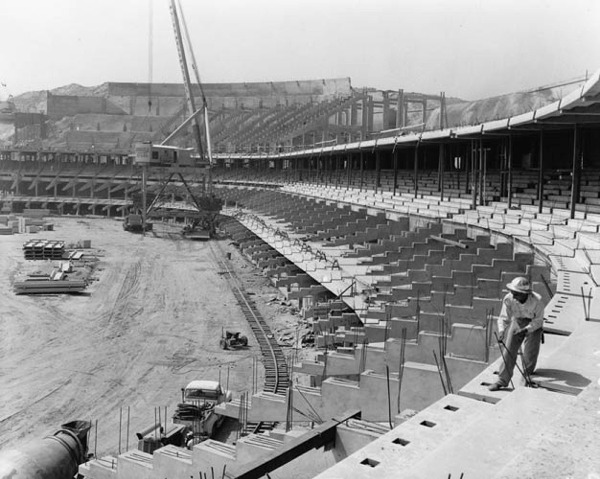
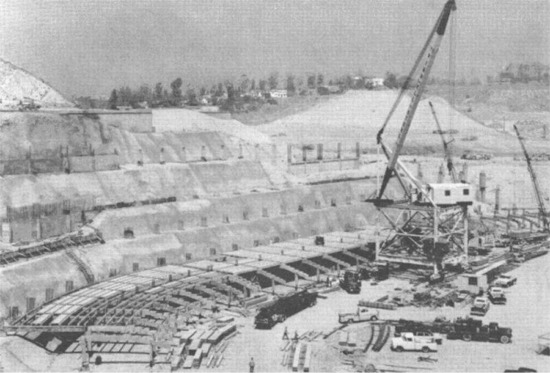
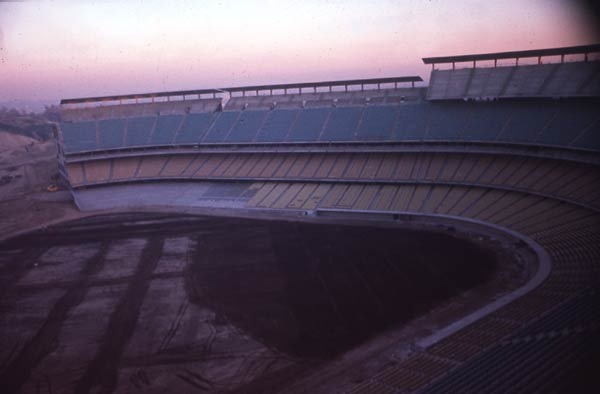
The Dodgers initially played at the Los Angeles Memorial Coliseum, a 90,000-seat venue originally built for the 1932 Olympics. In 1958, Los Angeles offered 352 acres of land in Chavez Ravine to the Dodgers in exchange for the team financing and building a new stadium. Construction began on September 17, 1959, but was delayed by landslides and legal battles, pushing the opening to April 10, 1962. On that day, over 52,000 fans packed the five-level structure to watch the Dodgers face the Cincinnati Reds in the stadium’s inaugural game. For its first three years, Dodger Stadium also served as home to the Los Angeles Angels before they moved to Anaheim in 1966.
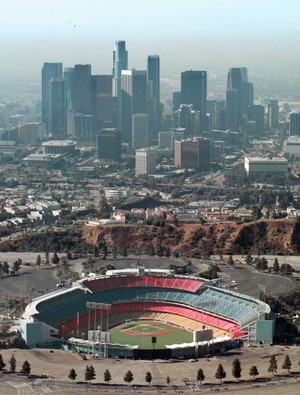
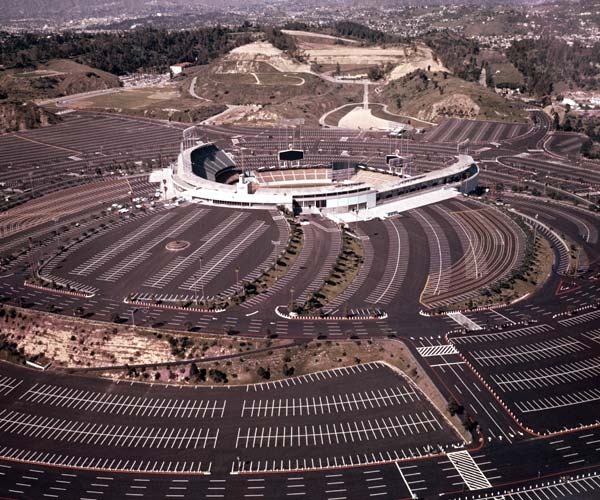
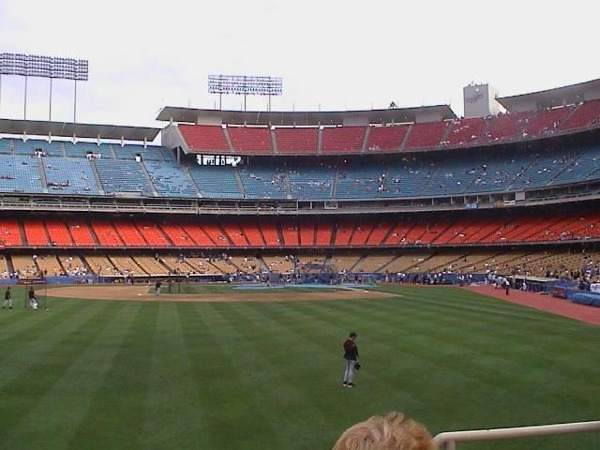
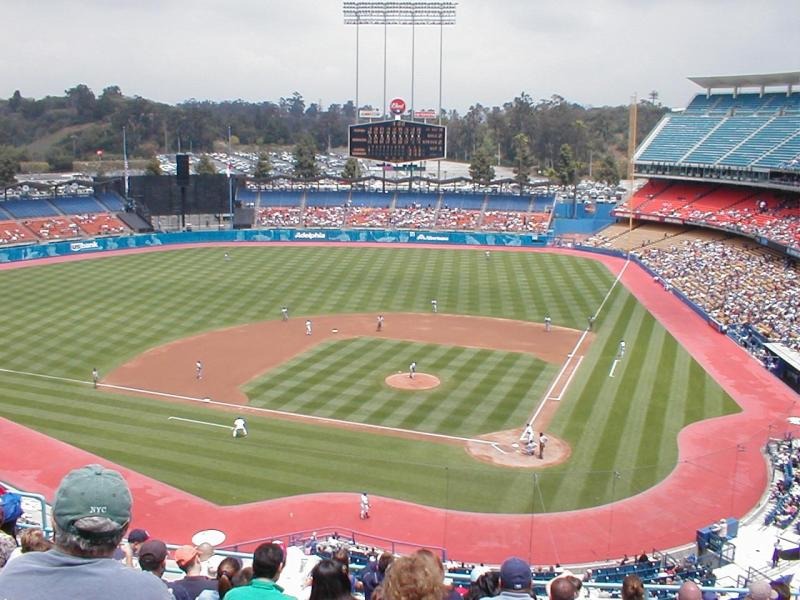
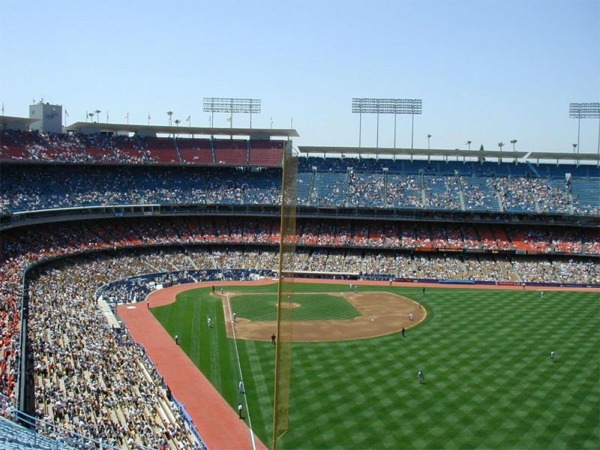
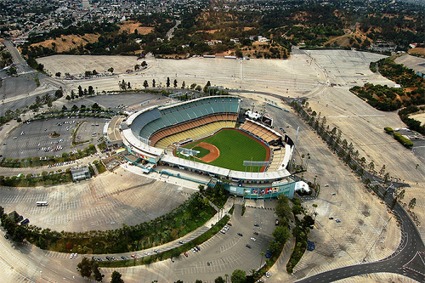
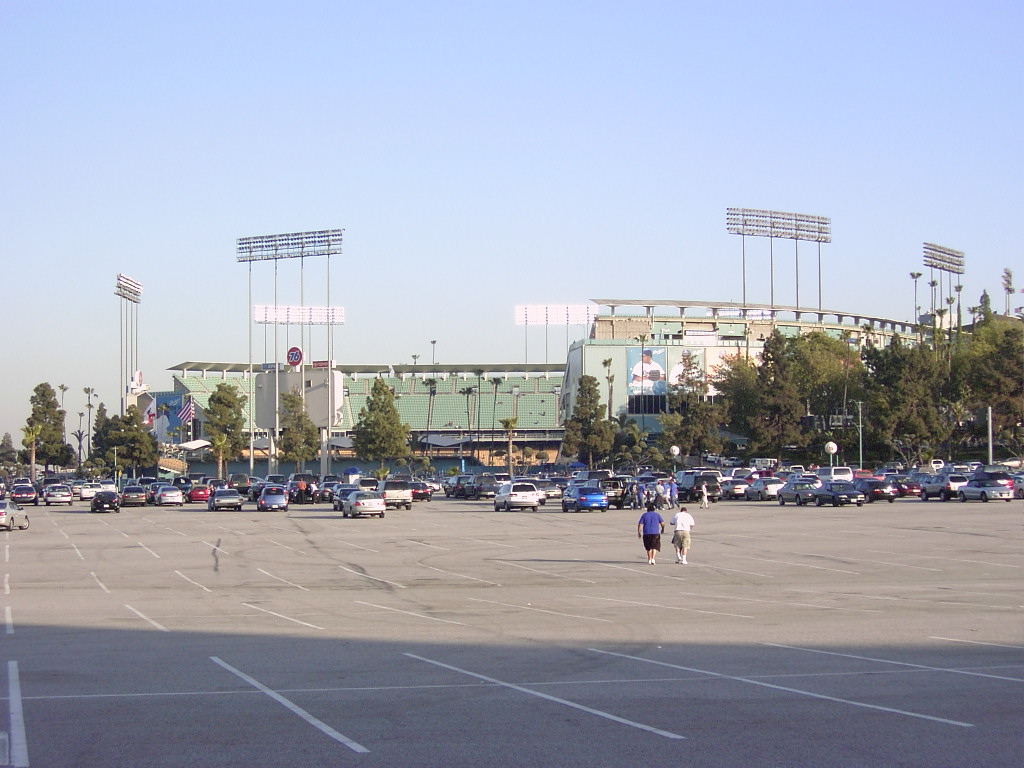
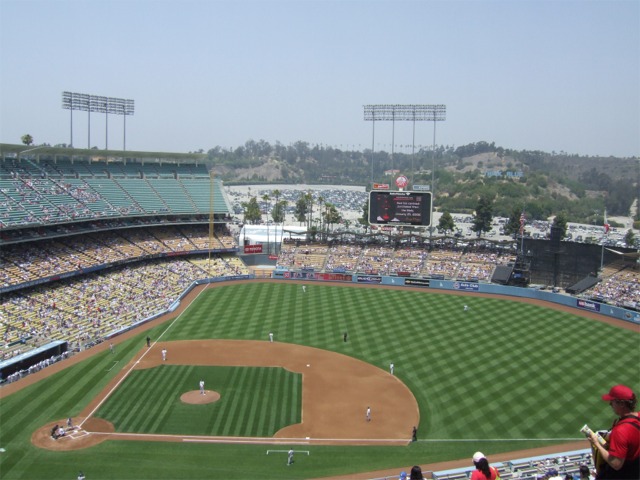
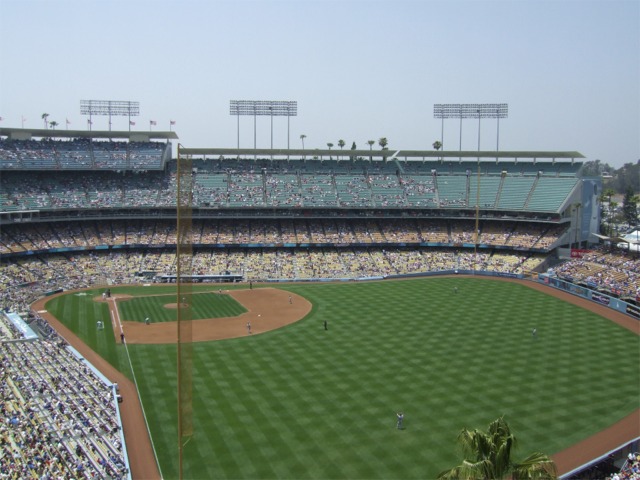
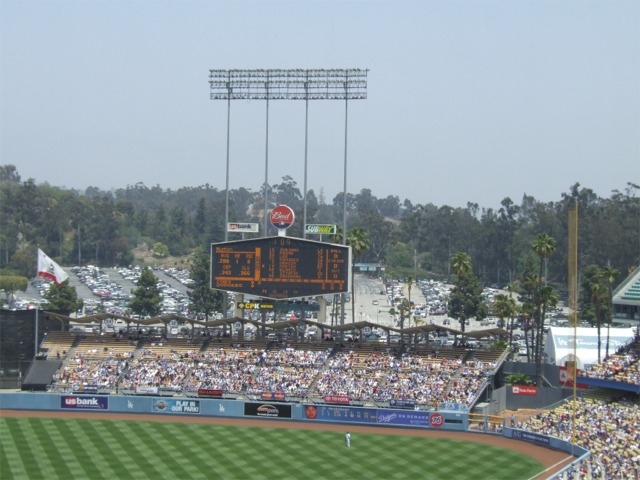
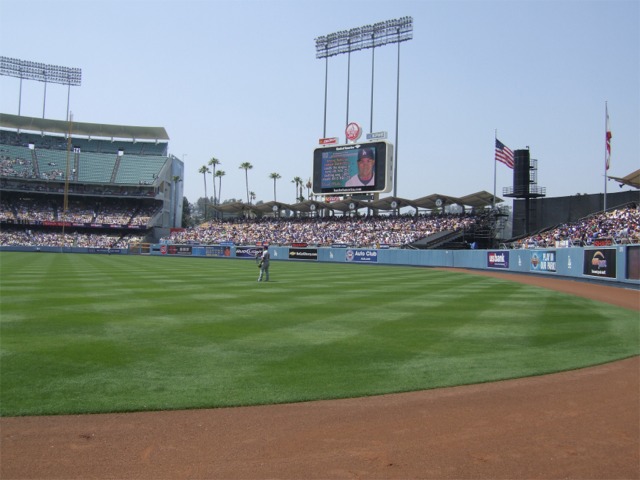
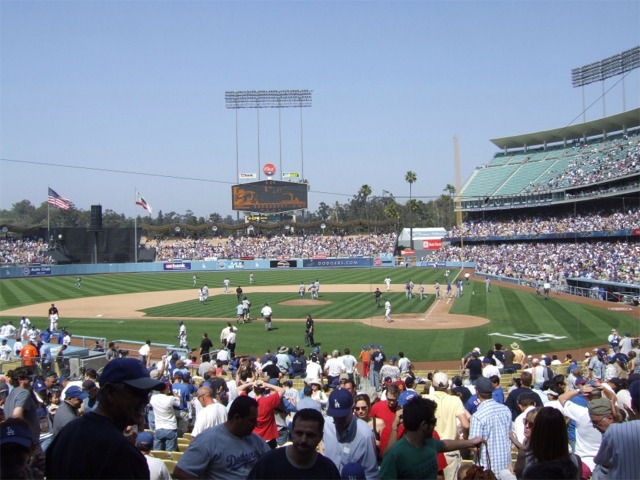
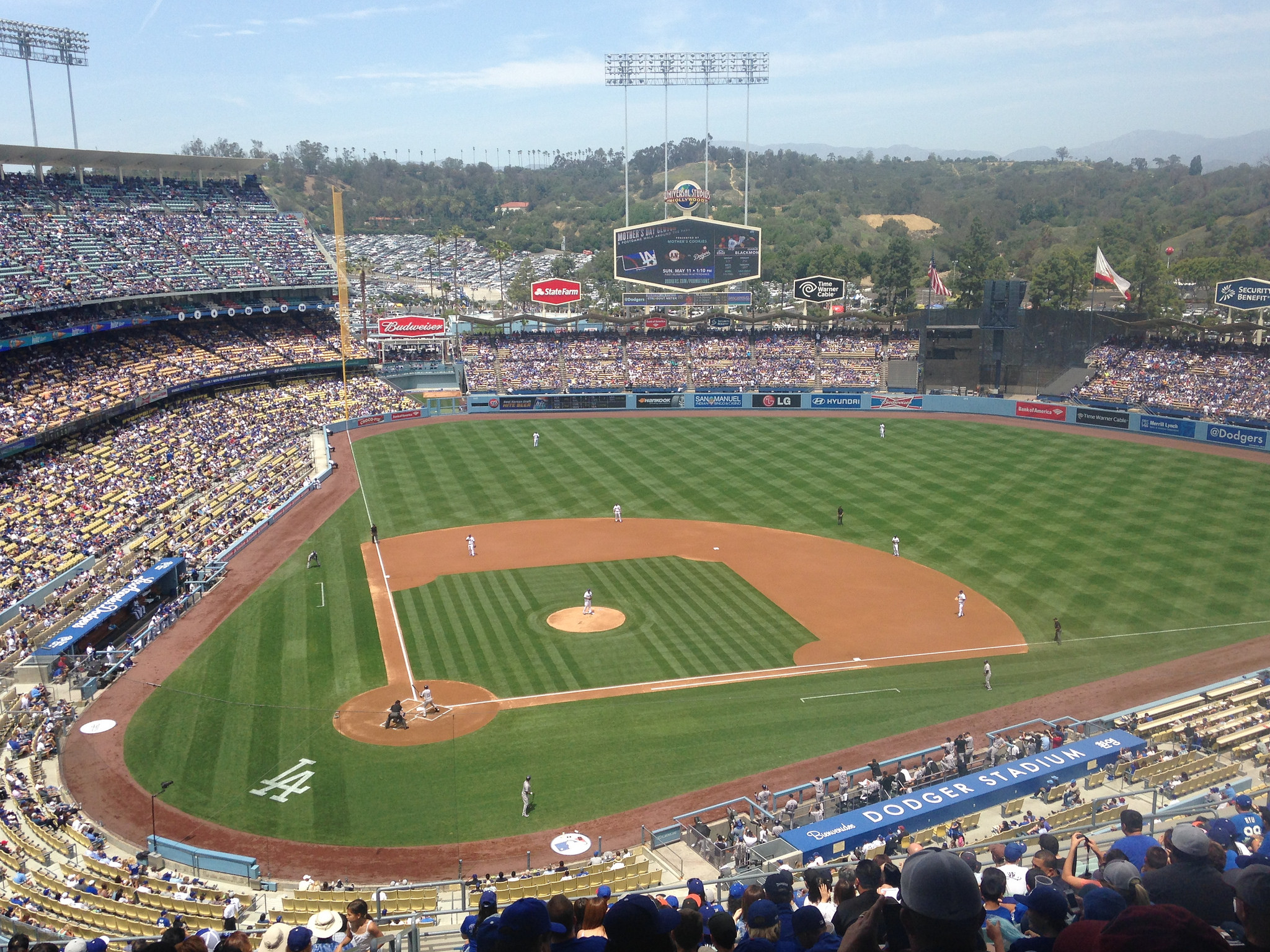
Nestled in the valley of Chavez Ravine, just a few miles from downtown Los Angeles, Dodger Stadium’s design is a marvel of efficiency and beauty. The stadium is built into the hillside, with parking lots surrounding the facility at various elevations, allowing fans to enter directly onto the level of their seats. Upon entry, fans are greeted by a five-tier seating structure that stretches from the left-field foul pole to home plate and around to the right-field foul pole, with the exception of the uppermost deck, which spans from first base to third base. The stadium also features bleachers in left and right field, topped by the iconic wavy roofline. Another distinctive feature is the pair of jumbo hexagonal HD video scoreboards located behind the bleachers in left and right field.
For its first three decades, Dodger Stadium changed little, save for the replacement of its original wooden seats with plastic ones in the 1970s. However, significant renovations began at the turn of the 21st century. Before the 2000 season, new field-level seats were added down the foul lines, along with an expanded dugout area, now known as the Dugout Club. Following the 2004 season, the dugouts were moved closer to the field, making room for additional Dugout Club seating and more seats along the foul lines. These updates added roughly 1,500 seats but maintained the stadium’s official capacity at 56,000.
| MEMORABLE MOMENTS AT DODGER STADIUM |
|
In 2006, the stadium underwent one of its most recognizable updates when all the seats were replaced, restoring the original 1962 color scheme of yellow, light orange, turquoise, and sky blue. Additional upgrades included the installation of box seating along the baselines, concrete repairs to the seating bowl, and the creation of a 500-person terrace picnic area outside the Loge level entrance. Further renovations were completed in 2008, widening concourses, increasing concessions and restroom facilities, and adding two Baseline Box Clubs on the field level.
A transformative $100 million renovation in 2013 brought modern amenities to Dodger Stadium. These included new HD video boards in left and right field, a state-of-the-art sound system, expanded concourses, upgraded restrooms, and a revamped clubhouse featuring new batting cages and weight rooms. In 2014, bullpen overlooks were added, providing fans with seating and lounging areas overlooking the action in the bullpens. The outfield also saw upgrades, with the replacement of white tents behind the bleachers with a new Dodgers team store.
In 2019, the Dodgers announced another $100 million renovation project, completed before the 2020 season. A two-acre center field plaza was added behind the outfield bleachers, featuring a beer garden, sports bars, a children’s play area, and a live entertainment section. The plaza also houses a Jackie Robinson statue and the “Legends of Dodgers Baseball” plaques. Escalators and elevators were installed, connecting the plaza to the rest of the stadium and allowing fans to walk around the entire facility for the first time. Additional seating and restrooms were added to the bleacher pavilions, but the stadium’s capacity remains 56,000.
Since its opening in 1962, Dodger Stadium has been celebrated as one of the cleanest and most beautiful ballparks in America. Its grounds are meticulously maintained, including annual fresh coats of paint and landscaping cared for by a full-time arborist. Interestingly, the views of the San Gabriel Mountains and downtown Los Angeles could have been obscured, as the stadium was originally designed to accommodate expansion to seat 85,000 fans. Early designs even included a picturesque fountain in center field that would have featured illuminated cascading waters when a Dodger hit a home run.
Dodger Stadium has witnessed the glory of seven Los Angeles Dodgers World Series championship teams and 23 National League West Division title teams. Legends such as Tommy Lasorda, Sandy Koufax, Don Sutton, Orel Hershiser, Mike Piazza, Clayton Kershaw and Shohei Ohtani have all called it home. The atmosphere at Dodger Stadium is unparalleled, and though it has stood for more than 60 years, it remains one of Major League Baseball’s premier ballparks.
Dodger Stadium Pictures