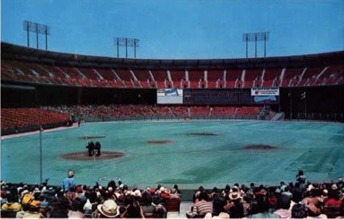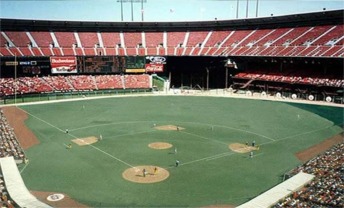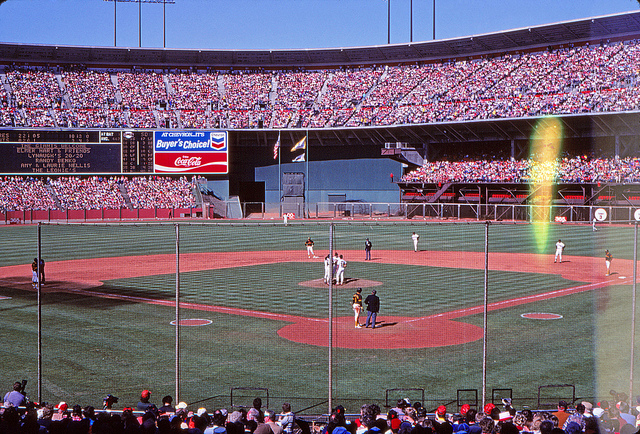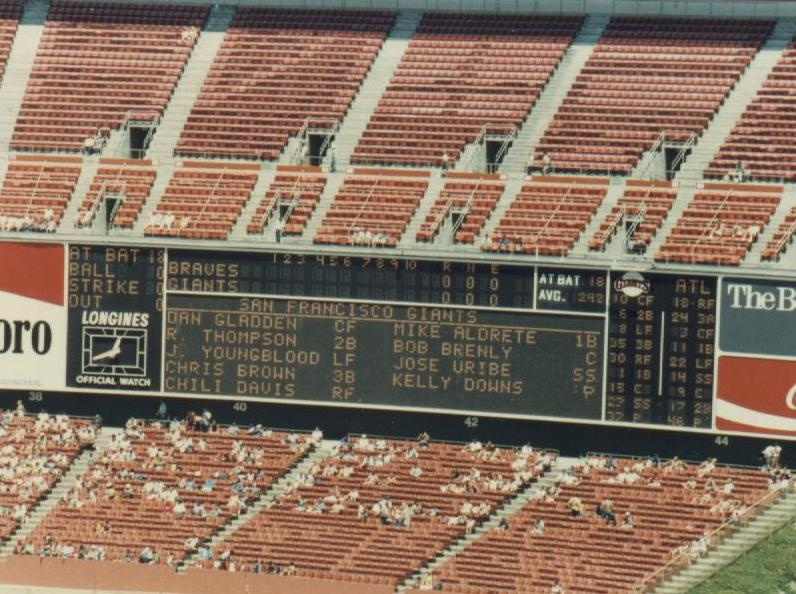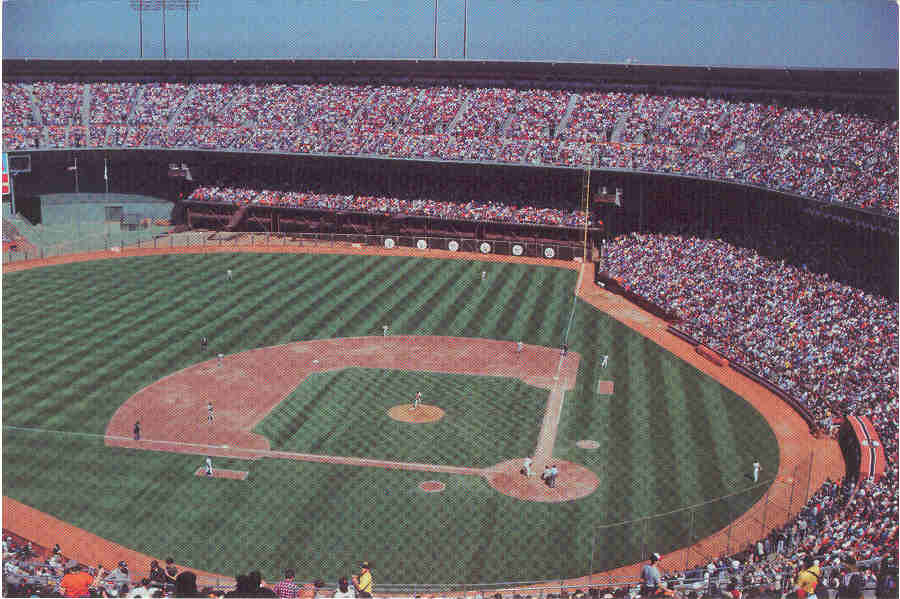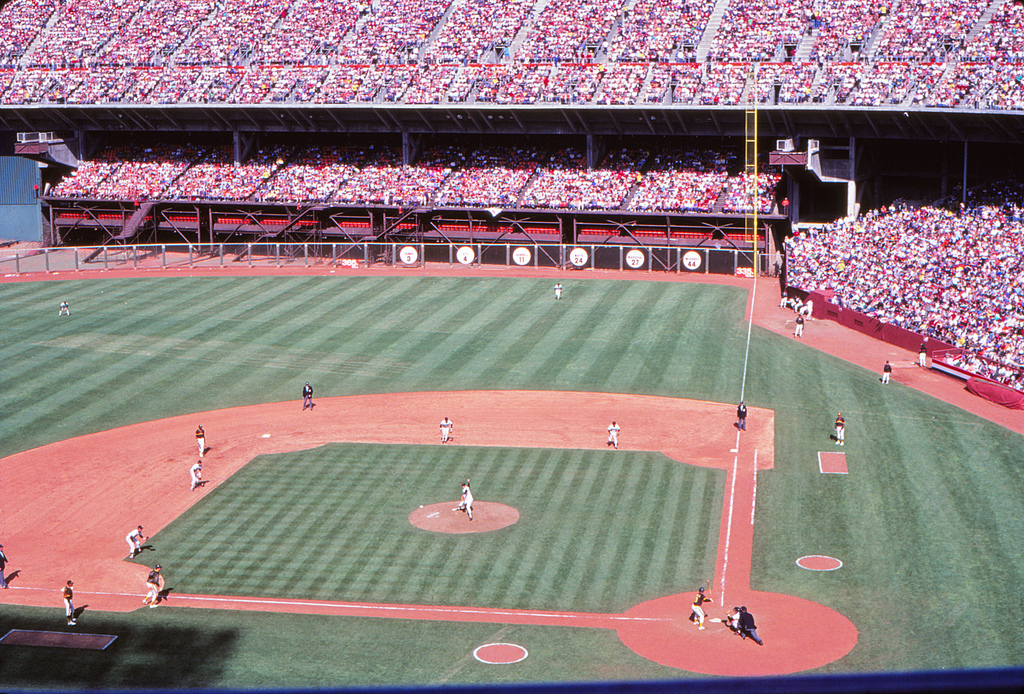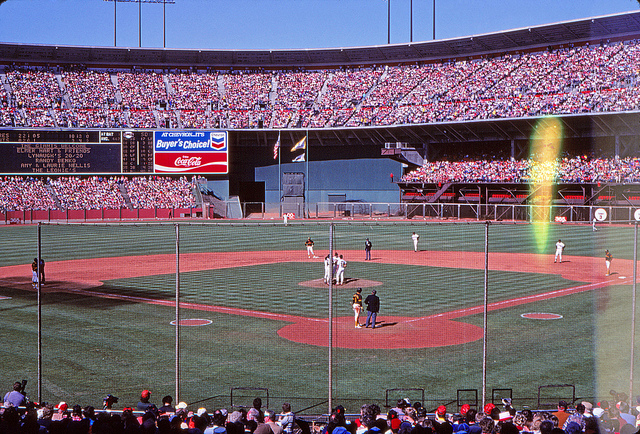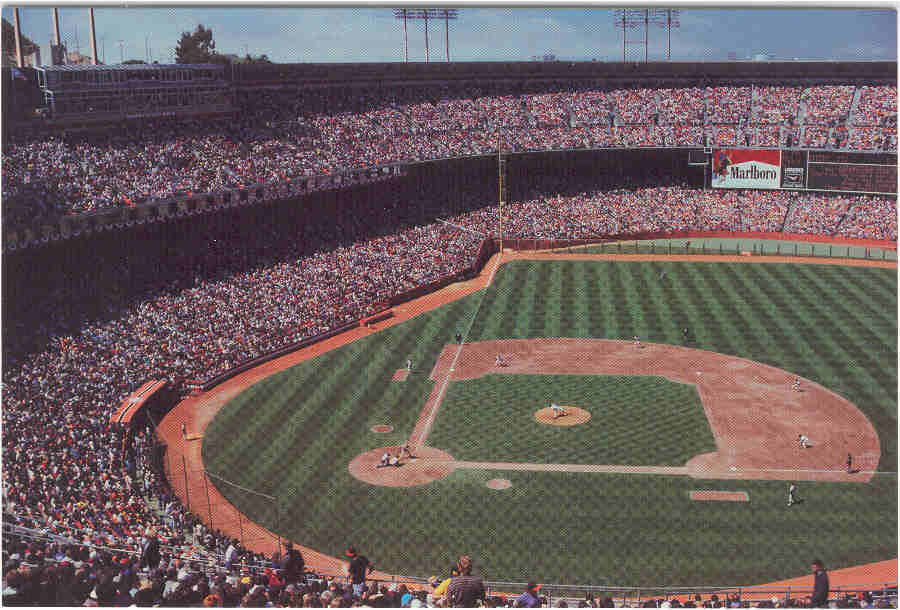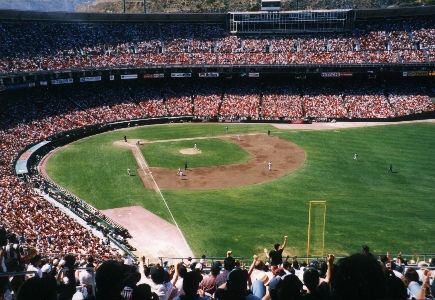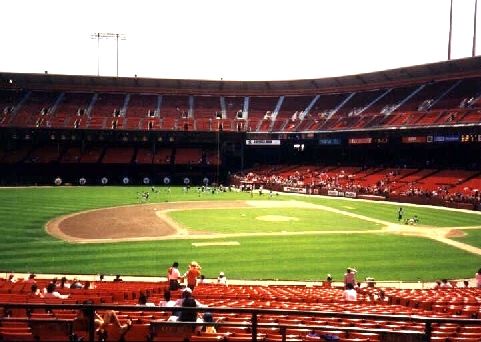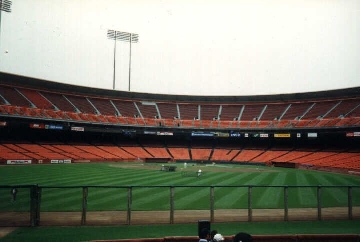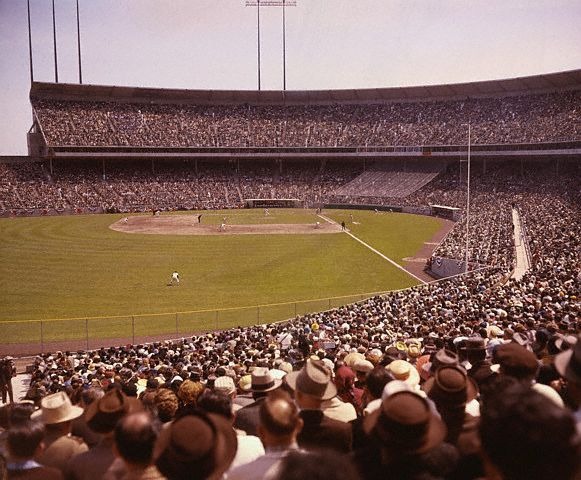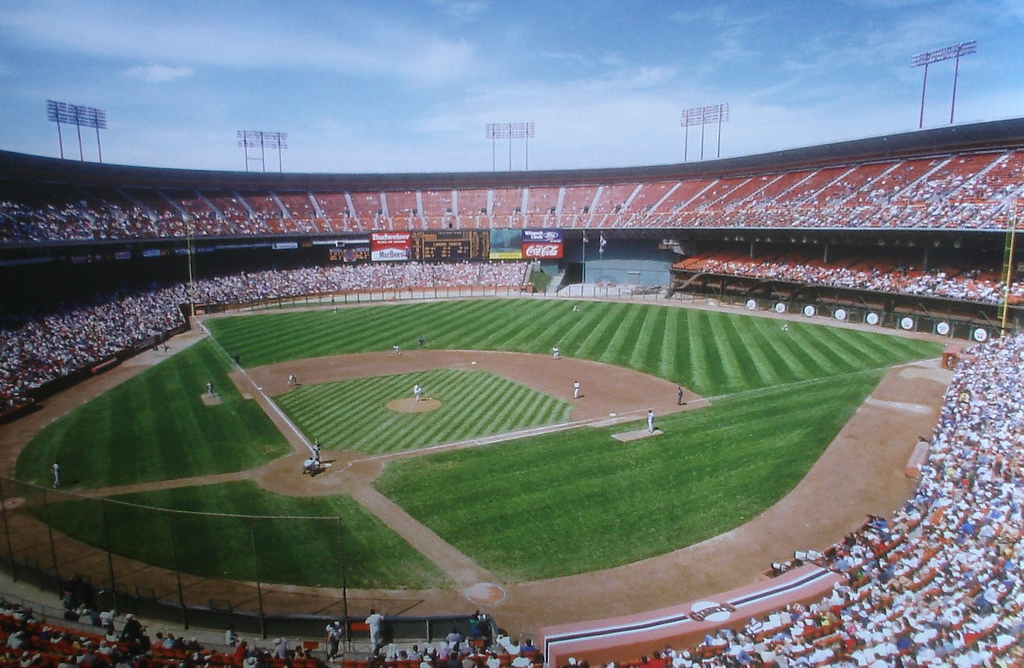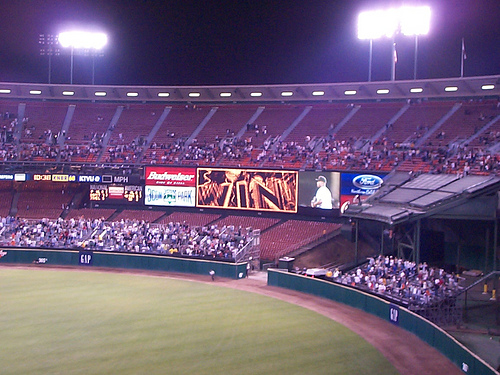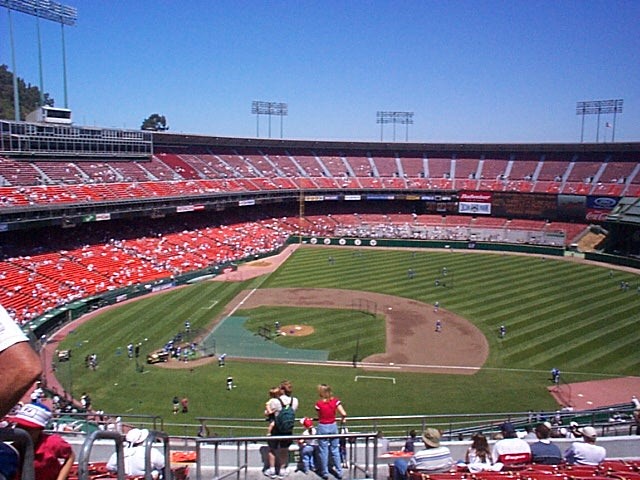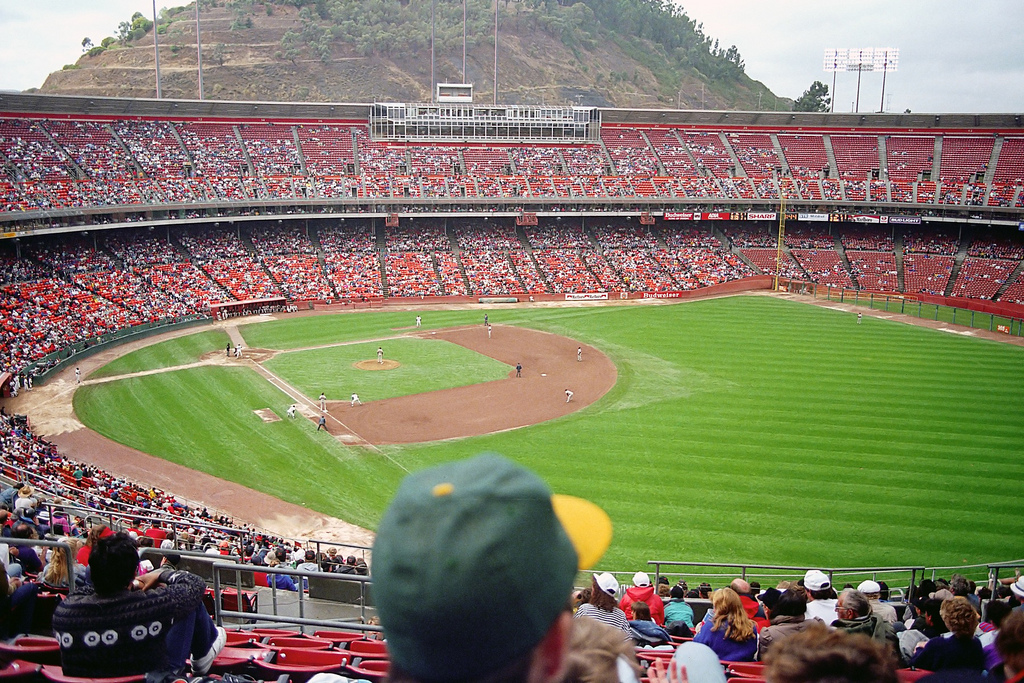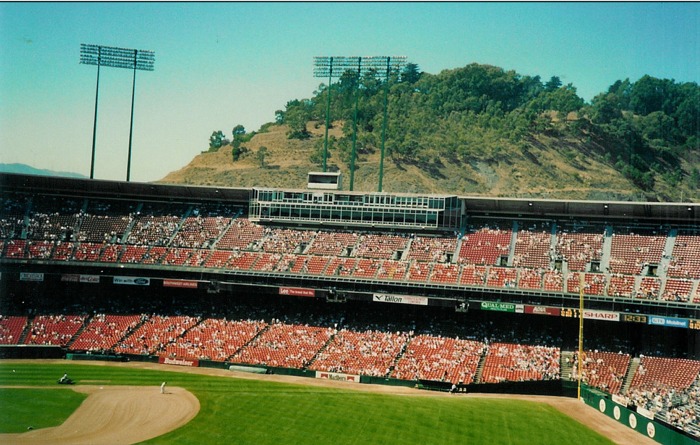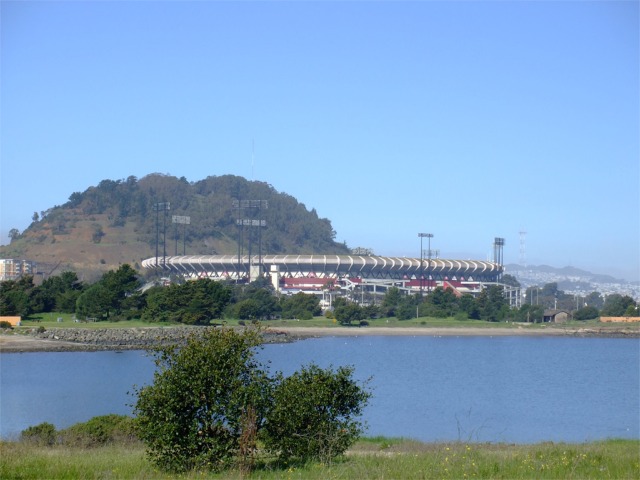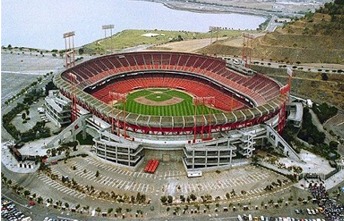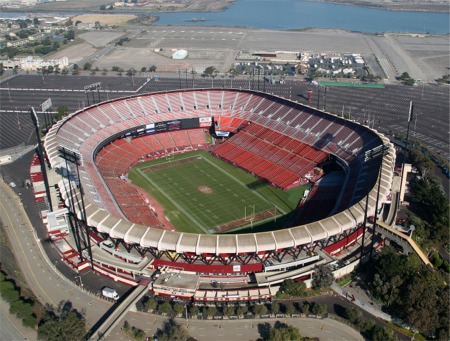
Blustery winds, dense fog, and chilly temperatures defined any Giants fan experience at Candlestick Park for nearly four decades. Known affectionately as “The Stick,” the stadium was home to the San Francisco Giants from 1960 through 1999 and hosted some of the greatest players in baseball history, including Willie Mays, Willie McCovey, and Barry Bonds. The Giants franchise traces its roots to New York City, where it was founded in 1883. For more than 70 years, the club played at various incarnations of the Polo Grounds. By the 1950s, however, the aging ballpark and changing economics of baseball prompted the franchise to explore relocation. Across the country, San Francisco leaders were actively pursuing a Major League Baseball team. In anticipation of attracting a franchise, city voters approved a $5 million bond to fund construction of a new stadium. In the summer of 1957, Giants owner Horace Stoneham announced that the club would relocate to San Francisco. The move coincided with the Brooklyn Dodgers’ decision to head west and become the Los Angeles Dodgers, forever changing the landscape of Major League Baseball.
| MEMORABLE MOMENTS AT CANDLESTICK PARK |
|
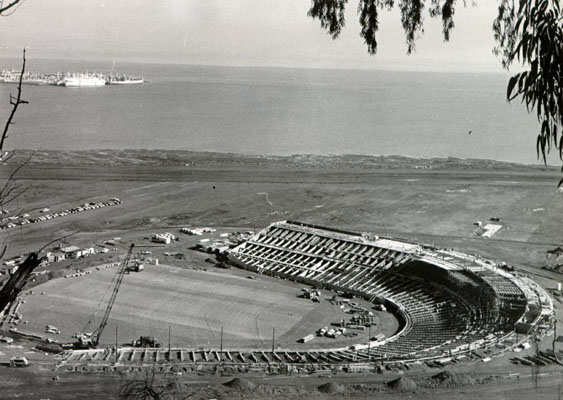
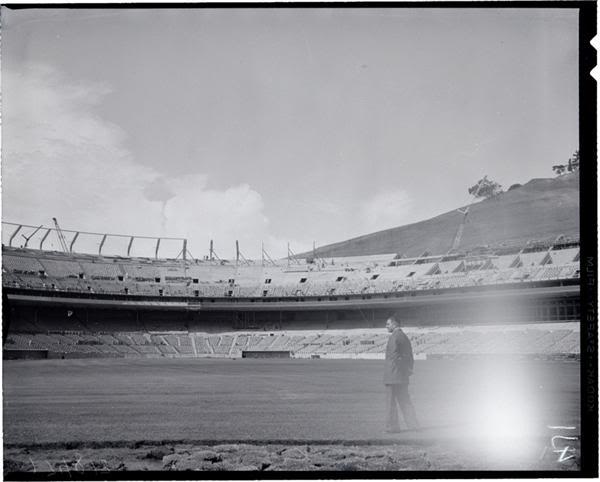
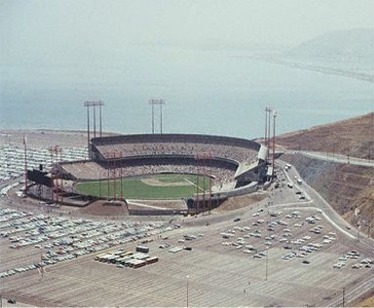
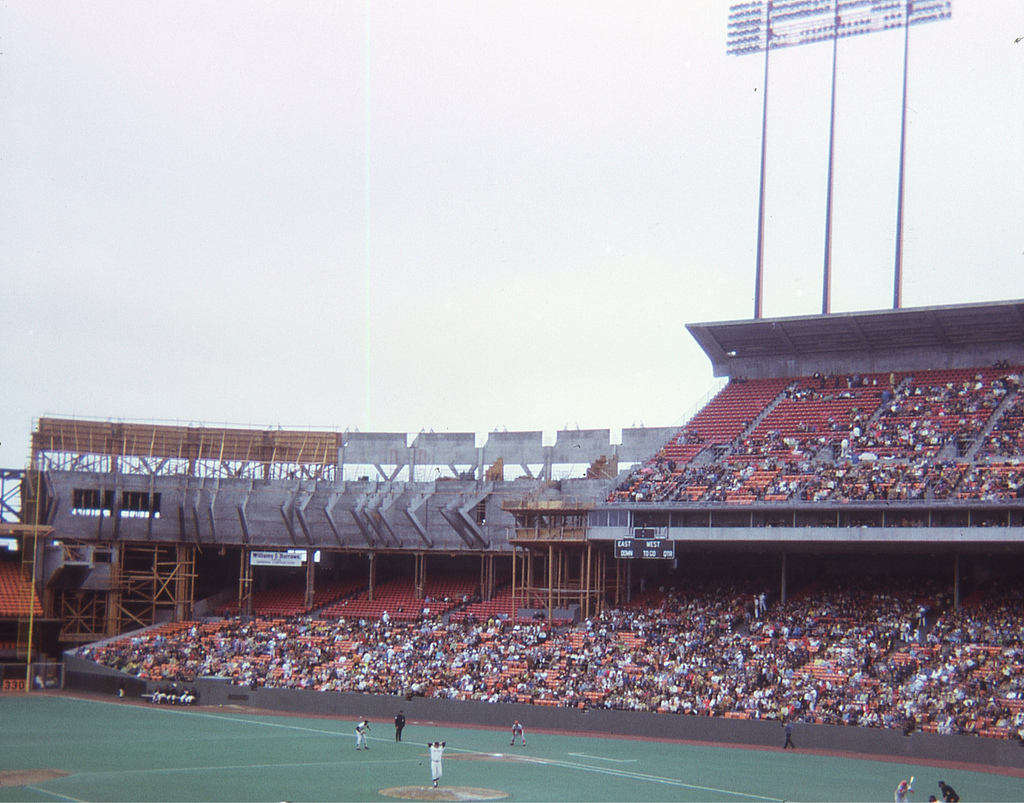
The Giants arrived in San Francisco in 1958, but their new stadium was not yet complete. For two seasons, the club played at Seals Stadium, a minor-league ballpark with a capacity of approximately 23,000. Meanwhile, city officials debated potential locations for a permanent home. After considering several sites, San Francisco selected Candlestick Point, purchasing the property for $2.7 million and utilizing adjacent city-owned land for development. Construction of the new stadium began in August 1958, but the project quickly became mired in controversy. Neighborhood opposition, a grand jury investigation, labor disputes, and delays caused by a Teamsters strike pushed the opening back several months. The Giants had hoped to move into the stadium late in the 1959 season, but construction delays forced them to wait until the following spring.
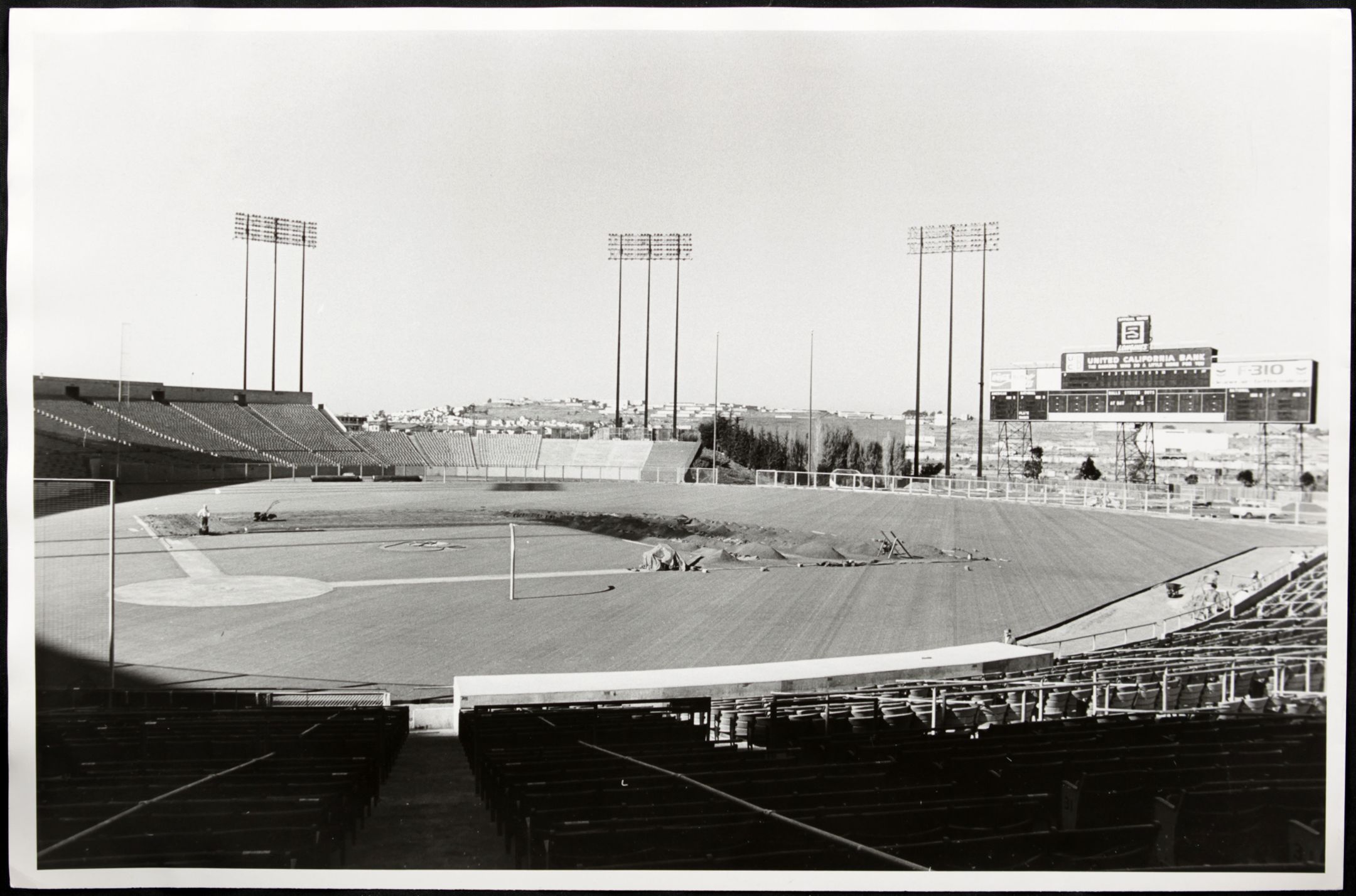
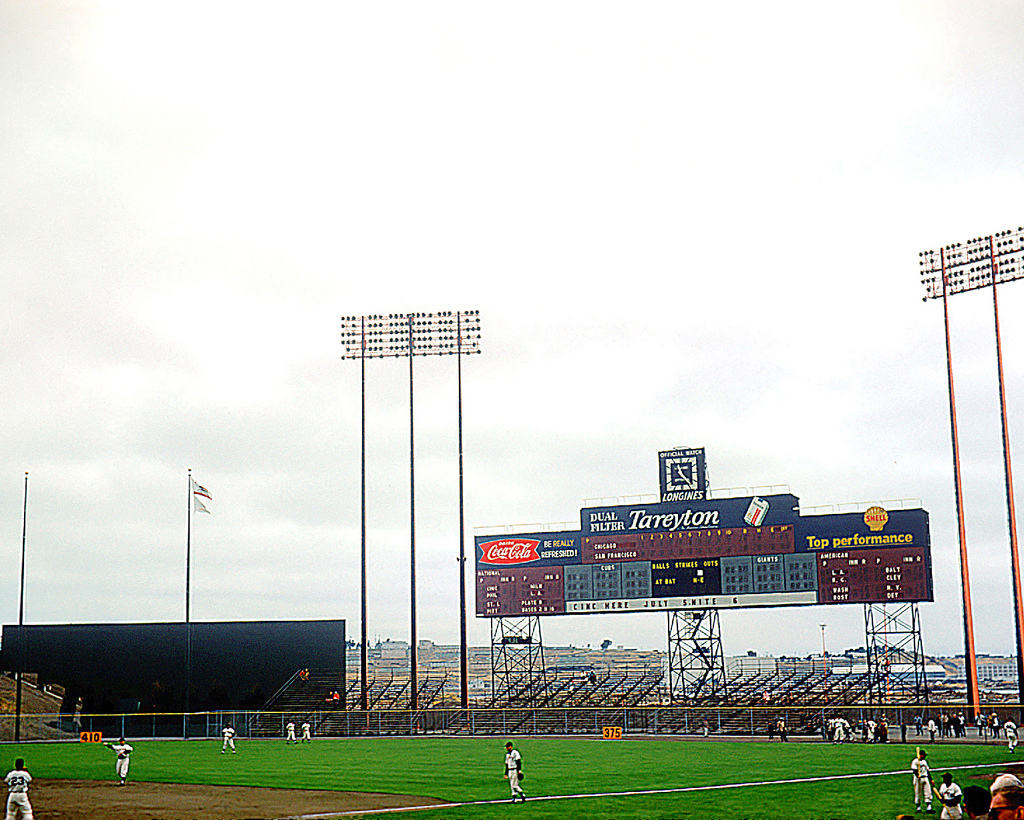
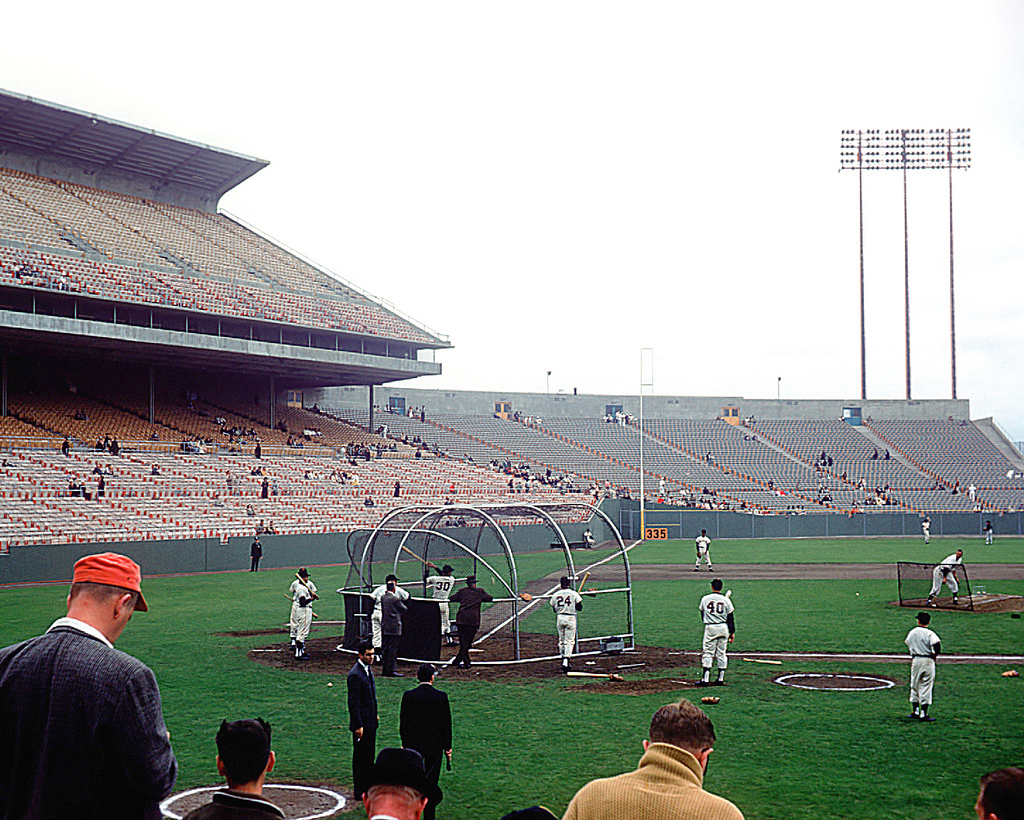
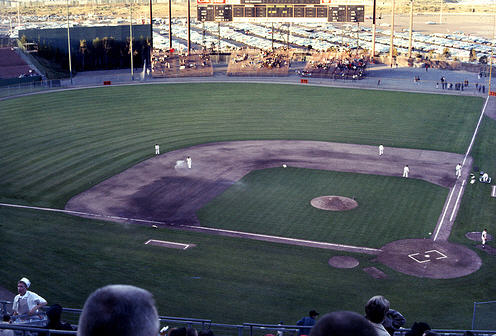
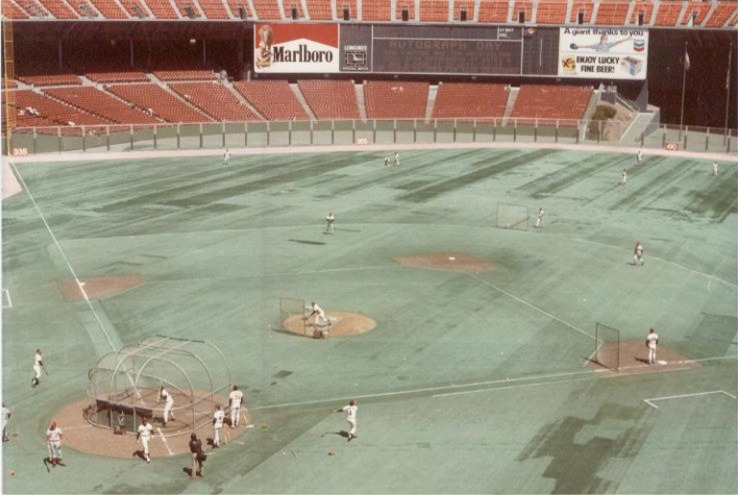
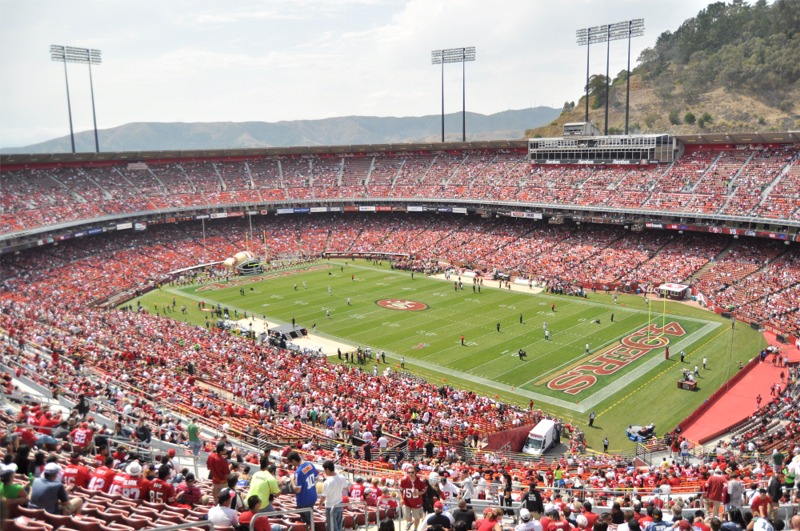
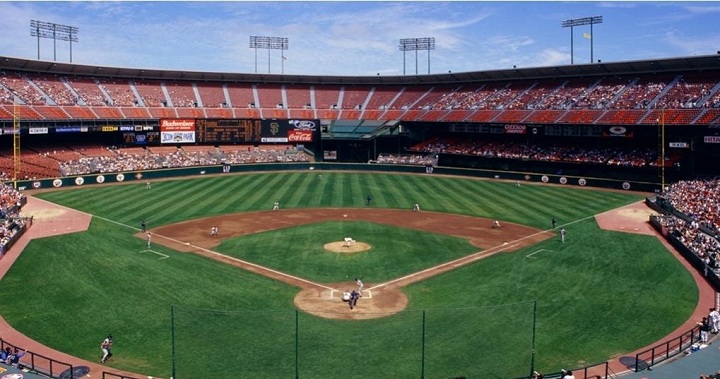
Named after its location on Candlestick Point, Candlestick Park officially opened on April 12, 1960, when the Giants hosted the St. Louis Cardinals. The original stadium seated 42,553 fans and featured two primary seating decks. The lower level extended from home plate around the left-field corner into left-center field and down the first-base line, while the upper deck stretched along both foul lines. A small bleacher section occupied right-center field, and the scoreboard stood above the batter’s eye in center field. The original field dimensions measured 330 feet to left field, 420 feet to center, and 335 feet to right field.
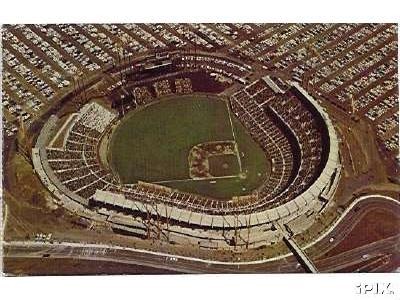
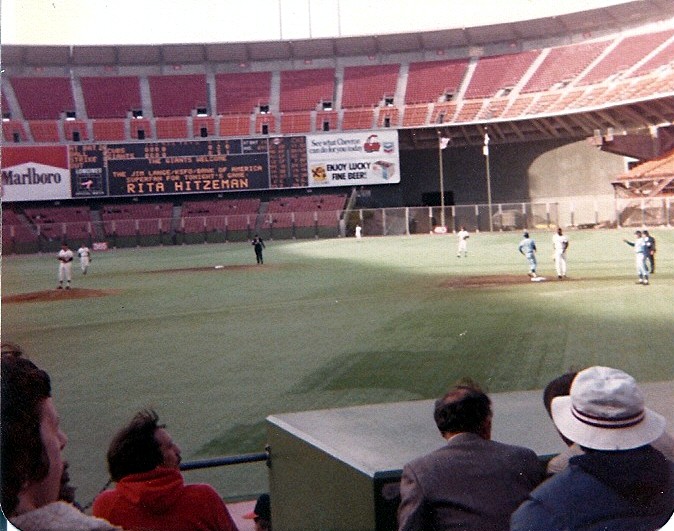
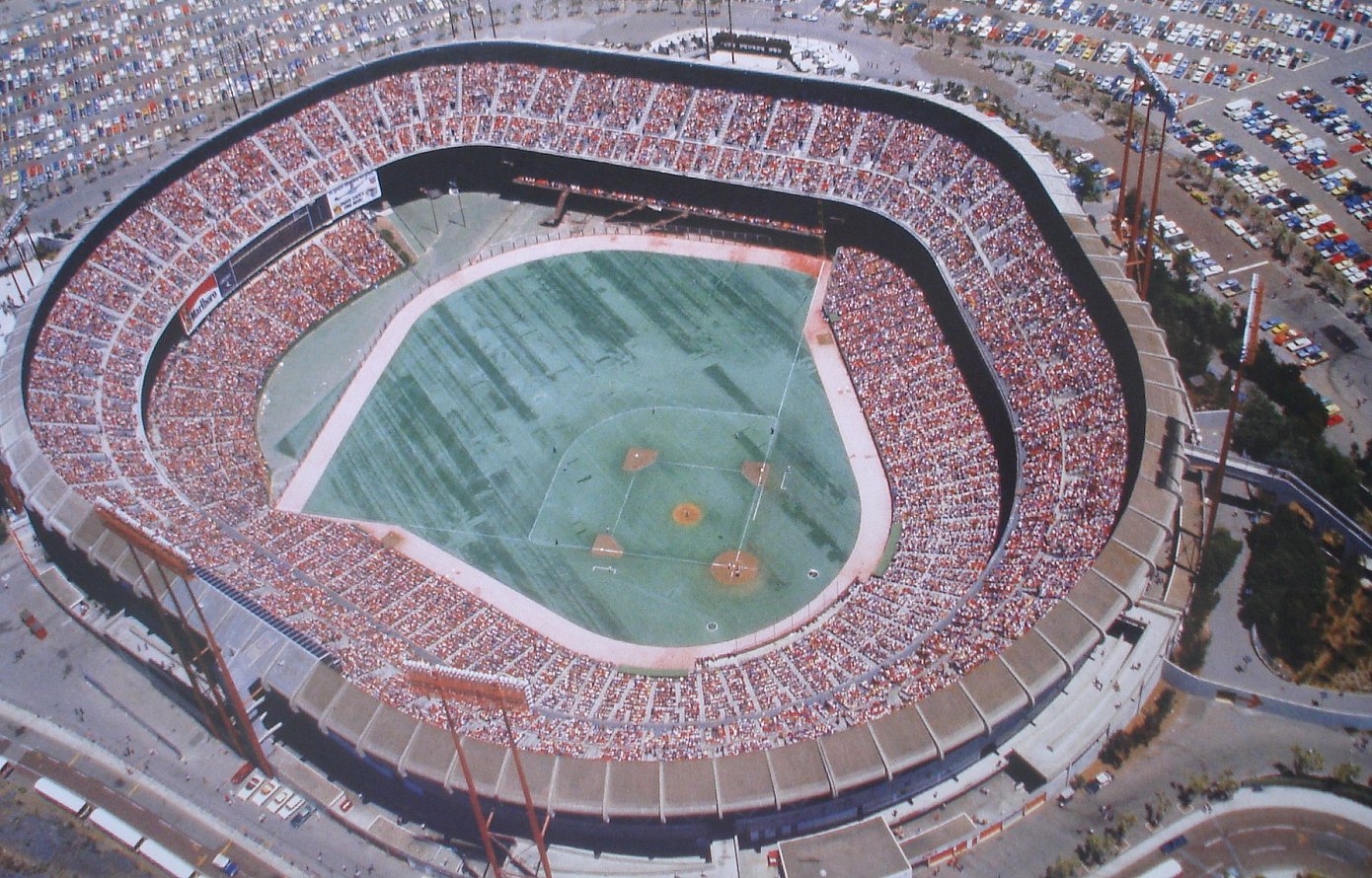
Not long after opening, Candlestick Park became known for its weather. Conditions could change dramatically within a matter of hours. A warm and sunny afternoon often gave way to fierce winds, dropping temperatures, and thick evening fog. The stadium originally included plans for radiant heating beneath nearly half of its seats, but the heating pipes were installed too deeply within the concrete and never worked. The winds became legendary. During the 1961 All-Star Game, pitcher Stu Miller famously lost his balance on the mound after being hit by a powerful gust. As the 1960s progressed, discussions began about expanding Candlestick Park to accommodate the San Francisco 49ers (NFL). Those plans finally came to fruition between 1971 and 1973, when a $16.1 million renovation transformed the stadium into a fully enclosed multipurpose facility. The project increased capacity to approximately 59,000 seats, added movable seating sections for football, replaced the original wooden seats with orange plastic seats, and introduced elevators and escalators throughout the stadium.
During the mid-1970s, declining attendance created uncertainty about the Giants’ future in San Francisco. Owner Horace Stoneham nearly sold the team to investors in Toronto before local businessman Bob Lurie purchased the franchise in 1976 and kept the Giants in the Bay Area. Lurie spent years pursuing either a downtown ballpark or a domed renovation of Candlestick Park. Although Mayor Dianne Feinstein proposed adding a dome in 1985, neither plan materialized. Instead, approximately $30 million was invested in stadium improvements, including new scoreboards, luxury suites, and upgraded concession areas.
Additional renovations arrived in 1994, bringing new dugouts, premium box seating along the baselines, expanded left-field bleachers, and a new video board. A foghorn was also installed, becoming one of the stadium’s signature features whenever a Giants player hit a homerun. Despite these improvements, Candlestick Park remained largely unchanged throughout the remainder of the Giants’ tenure. The enclosure completed during the 1970s helped reduce the wind, but it never eliminated the elements that made the stadium famous. One of the most dramatic moments in its history occurred on October 17, 1989, when the Loma Prieta earthquake struck moments before Game 3 of the World Series between the Giants and Oakland Athletics. Although the stadium sustained only minor damage, the event remains one of the most memorable moments in sports history. By the early 1990s, it had become clear that the Giants needed a modern baseball-only facility. Efforts to build a new ballpark gained momentum, and construction began in 1998 on what is now Oracle Park. The Giants played their final game at Candlestick Park on September 30, 1999, ending a 40-year chapter in franchise history.
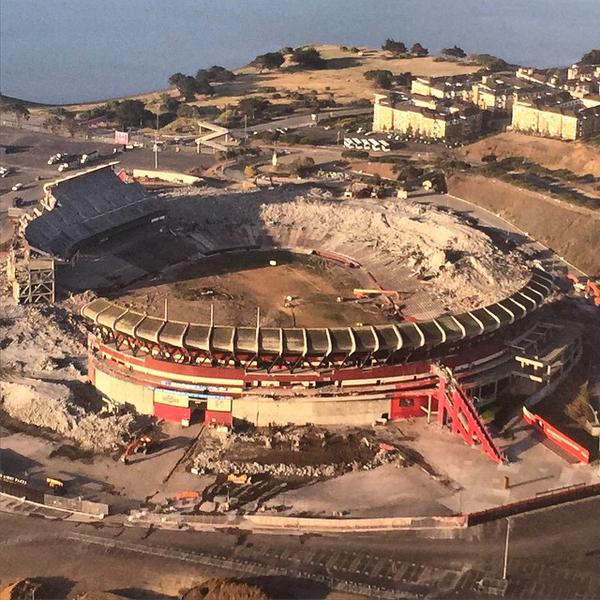
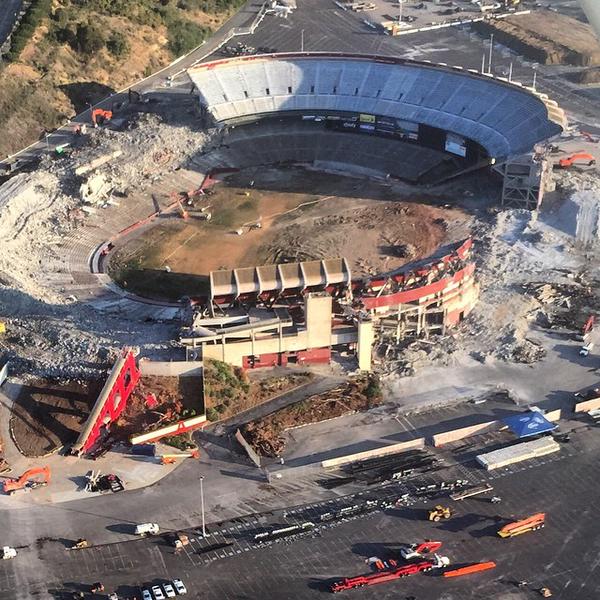
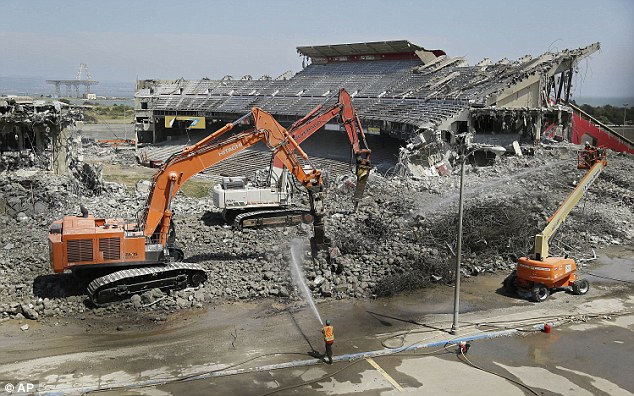
The stadium’s story continued for another 14 years as the home of the San Francisco 49ers. The NFL franchise remained at Candlestick Park until December 23, 2013, before moving to Levi’s Stadium in nearby Santa Clara for the 2014 season. Candlestick Park was demolished in 2015, and the site was slated for redevelopment into a mixed-use community featuring residential, commercial, retail, and park space.
Throughout its existence, Candlestick Park hosted some of the most memorable moments in sports and entertainment history. It welcomed two Major League Baseball All-Star Games, multiple World Series games, eight NFC Championship Games, and countless concerts and special events. Among its most famous non-sporting moments was The Beatles’ final commercial concert performance in 1966. Yet more than anything else, Candlestick Park will be remembered for its weather. It was a stadium where fans bundled up in blankets, battled the wind, and watched fog roll in from the bay. While newer facilities offered greater comfort and modern amenities, few venues ever matched the unique atmosphere that made “The Stick” one of the most distinctive stadiums in American sports history.
Candlestick Park Pictures