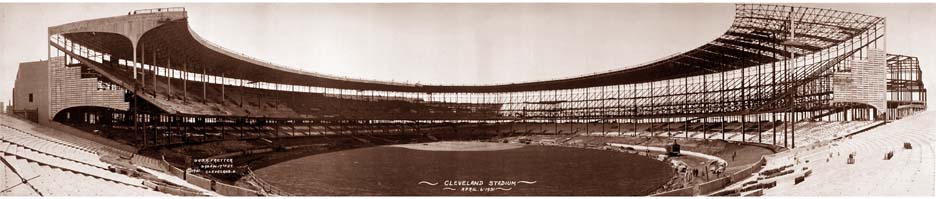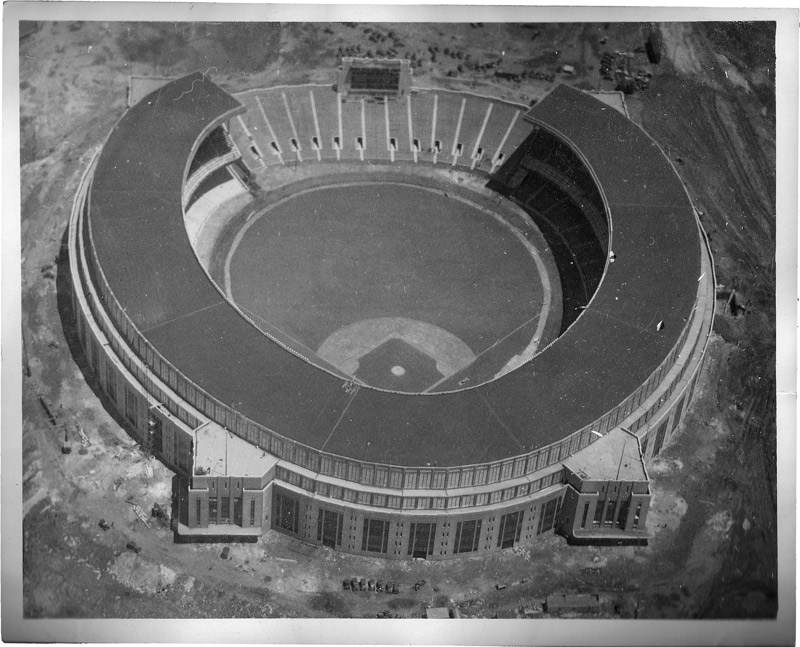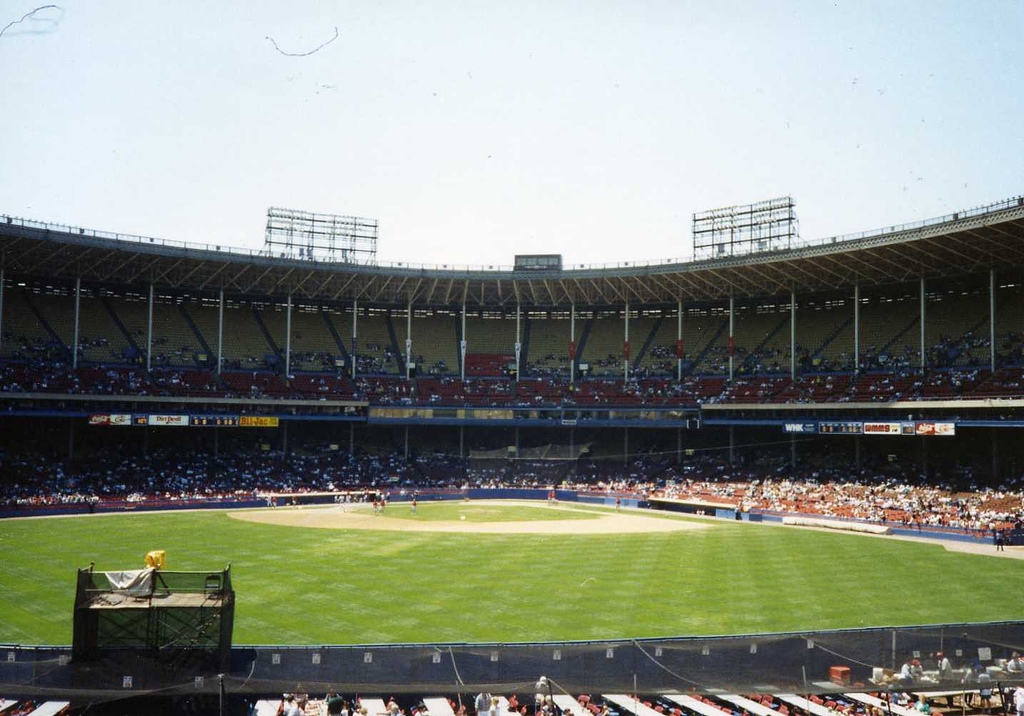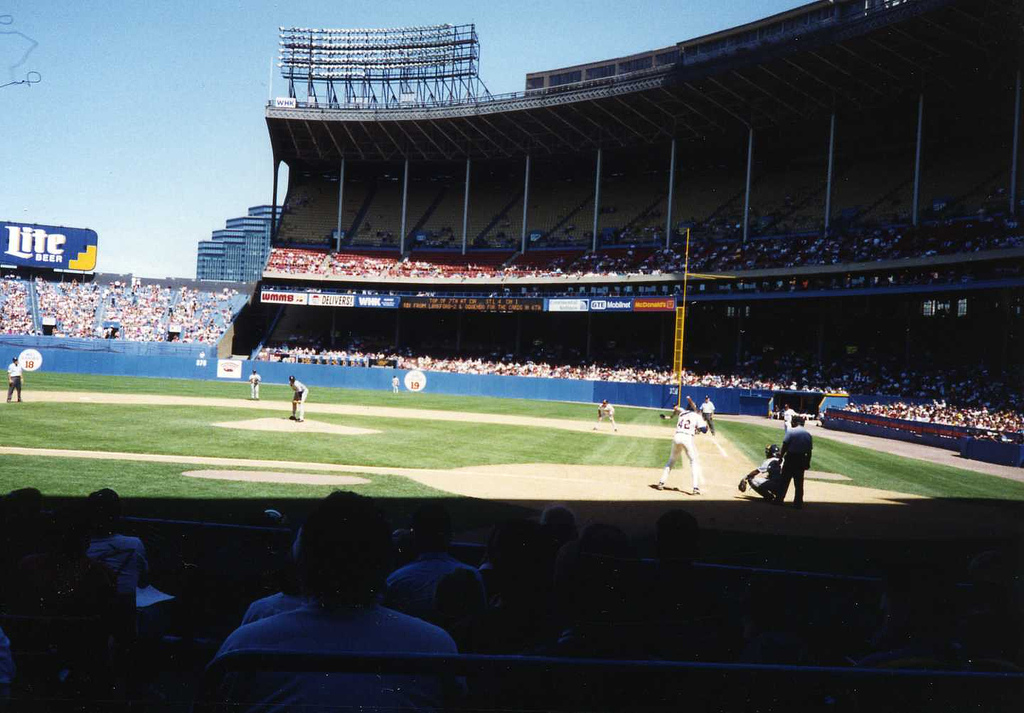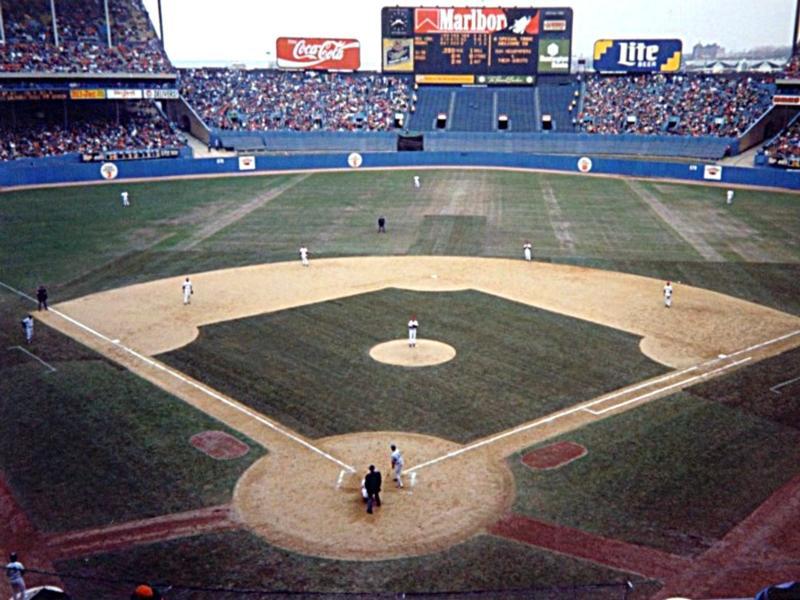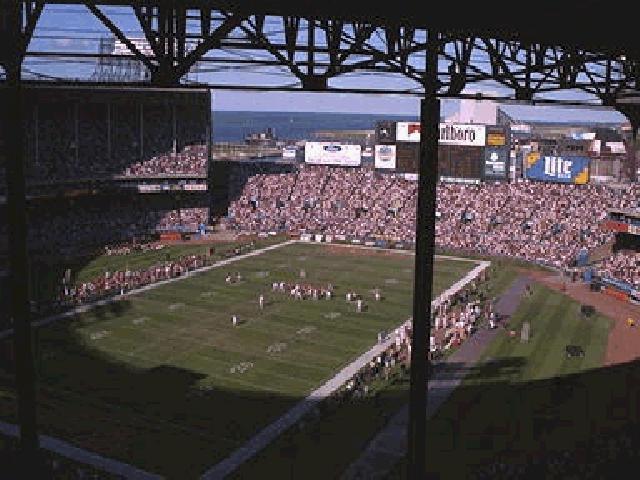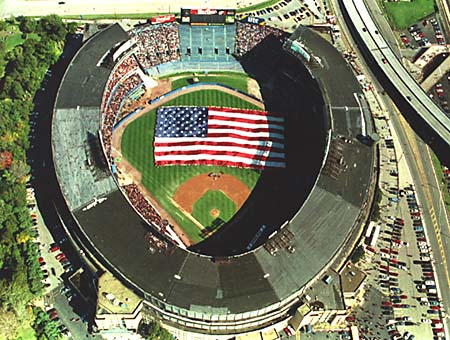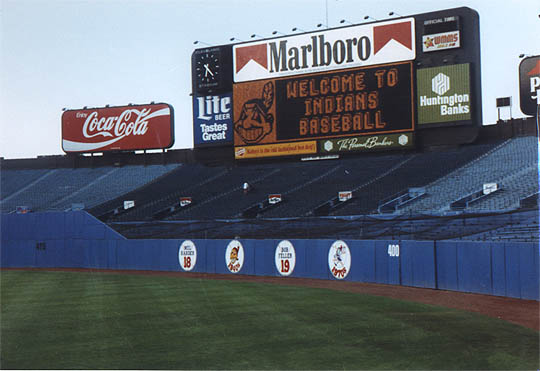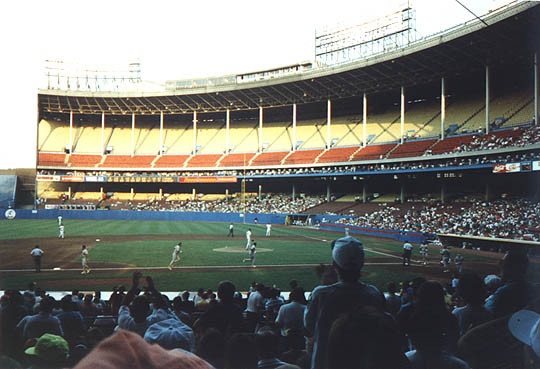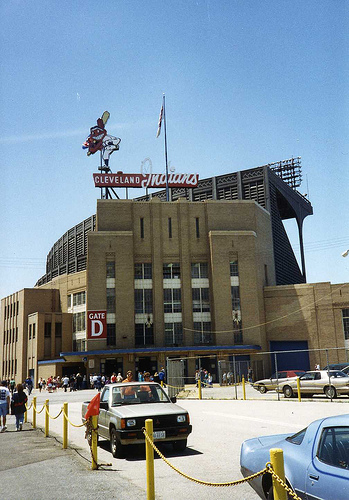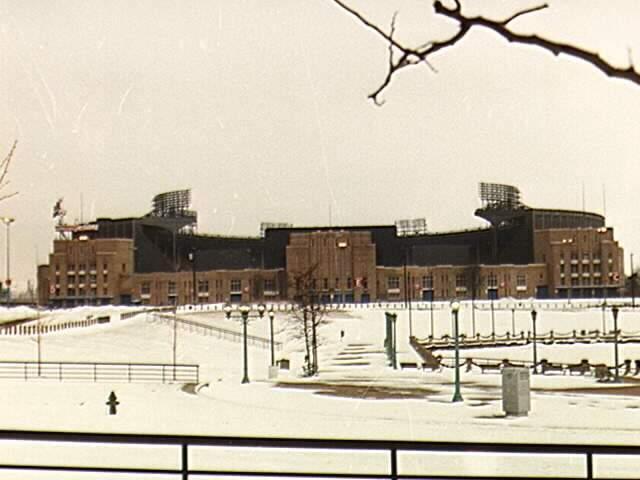
For 61 seasons, Cleveland Municipal Stadium served as the home of the Cleveland Indians, though by the early 1990s many fans were eager to leave behind the aging facility often nicknamed the “Mistake by the Lake.” The concept of a large municipal stadium in Cleveland dated back to 1903, but serious plans did not emerge until the 1920s. While city leaders initially envisioned a 25,000-seat venue, engineers at Osborn Engineering designed a much larger multipurpose stadium capable of hosting a wide variety of events. In 1928, Cleveland voters approved a $2.5 million bond issue to fund construction, making it the first stadium built entirely with public financing. A landfill site along the shore of Lake Erie was selected, and groundbreaking ceremonies took place on June 24, 1930.
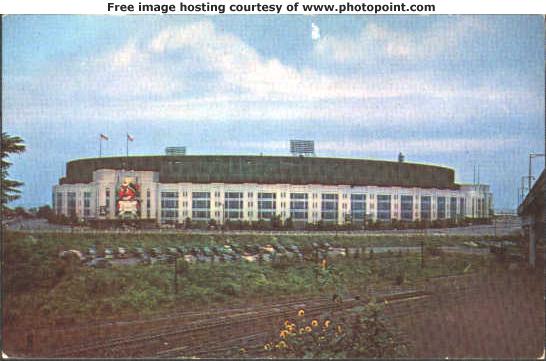
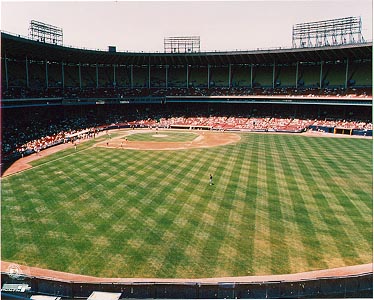
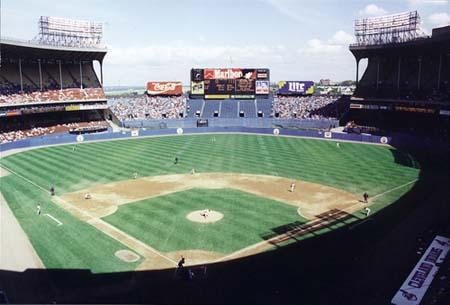
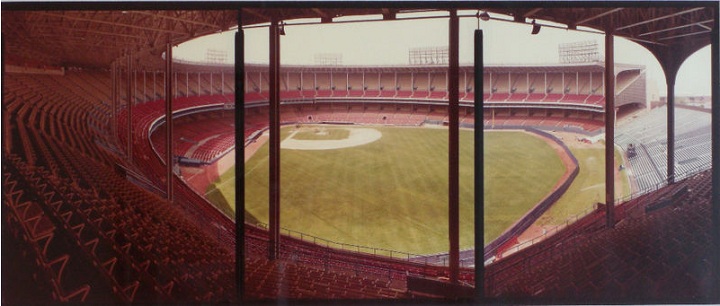
Completed in July 1931, the massive steel-and-concrete structure was originally known as Lakefront Stadium. Ironically, it opened without a baseball tenant despite being built largely with the Cleveland Indians, who played at League Park. Because the city had not secured a lease with the team before construction was completed, the Indians were able to negotiate favorable terms. The ballpark hosted its first Indians game on July 3, 1932. With a seating capacity of 78,189, it was one of the largest stadiums in the country. A double-decked grandstand stretched from foul pole to foul pole, with expansive bleacher sections in the outfield. The stadium’s enormous dimensions, 322 feet down both foul lines and 463 feet to center field, made it a notoriously difficult place for hitters. It also featured a scoreboard in center field, a sound system, and lights, although those original lights were never used for baseball games.
| MEMORABLE MOMENTS AT CLEVELAND MUNICIPAL STADIUM |
|
While the Indians initially attracted large crowds, attendance soon became an issue. Even respectable crowds appeared sparse in such a vast stadium. As a result, from 1934 through 1946, the team split its schedule between League Park and Lakefront Stadium, playing weekend and holiday games at Lakefront Stadium. Modern lighting was installed in 1939, allowing the first night game in stadium history to be played on June 27 of that year. Following the 1946 season, the Indians moved all home games to the stadium permanently. Around that time, the venue became more widely known as Cleveland Municipal Stadium. To make the stadium more hitter-friendly, a new outfield fence was installed, reducing the dimensions to 321 feet down the lines and 410 feet to center field.
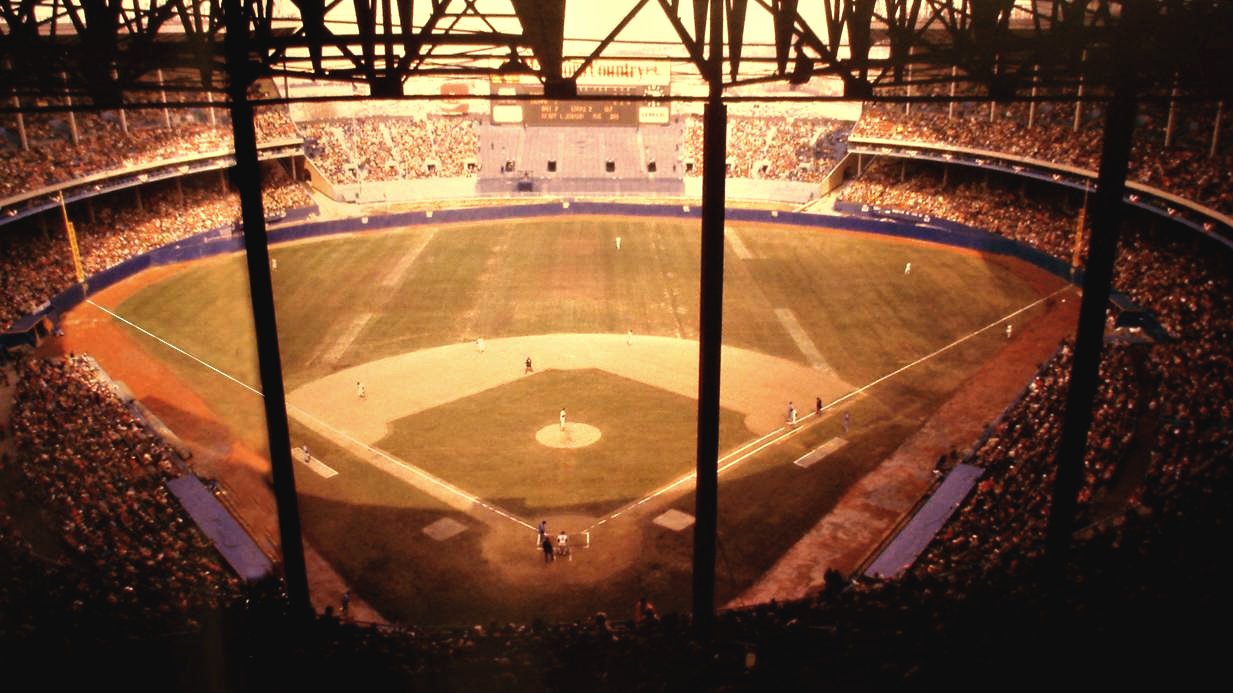
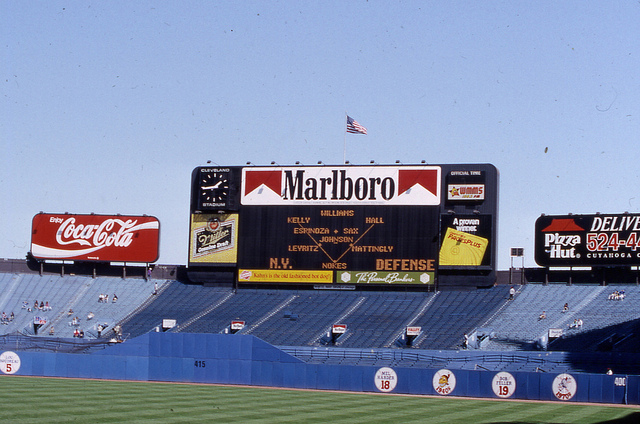
For the remainder of its existence, Cleveland Municipal Stadium changed relatively little. Renovations in 1967 and 1974 replaced the original wooden seats with plastic seating and introduced a new scoreboard. The stadium was also home to the NFL’s Cleveland Browns, who often drew significantly larger crowds than the baseball team. During the 1980s and early 1990s, the Indians struggled both on the field and at the box office, reinforcing the need for a modern ballpark. After purchasing the club in 1985, Richard and David Jacobs spearheaded efforts to build a new downtown ballpark. Voters ultimately approved funding, and construction began on what would become Jacobs Field.
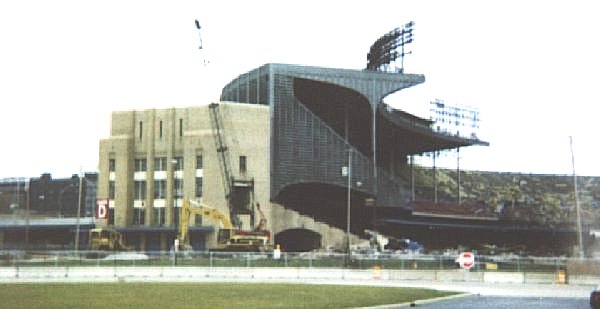
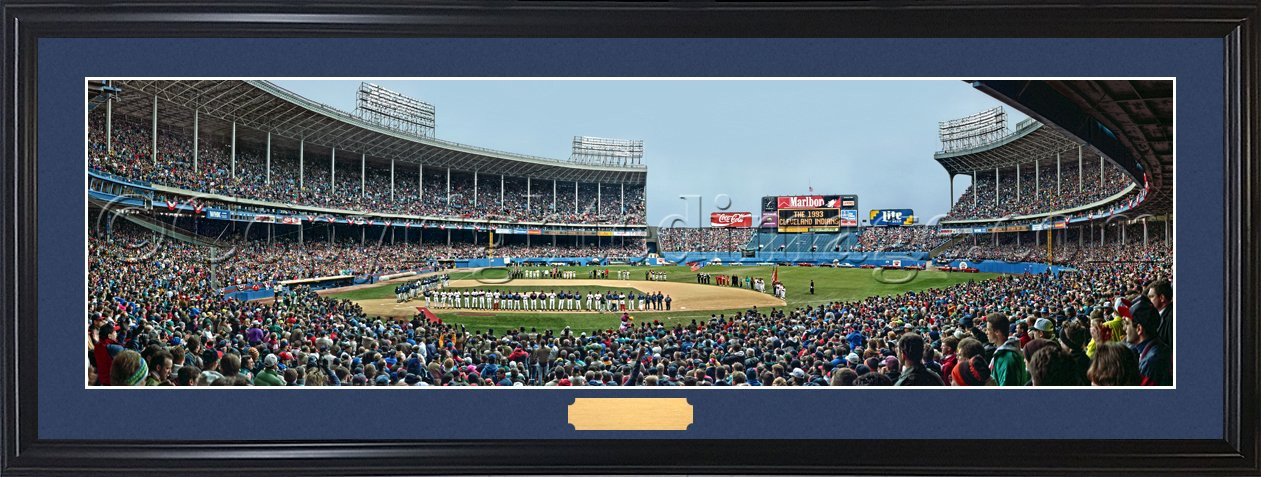
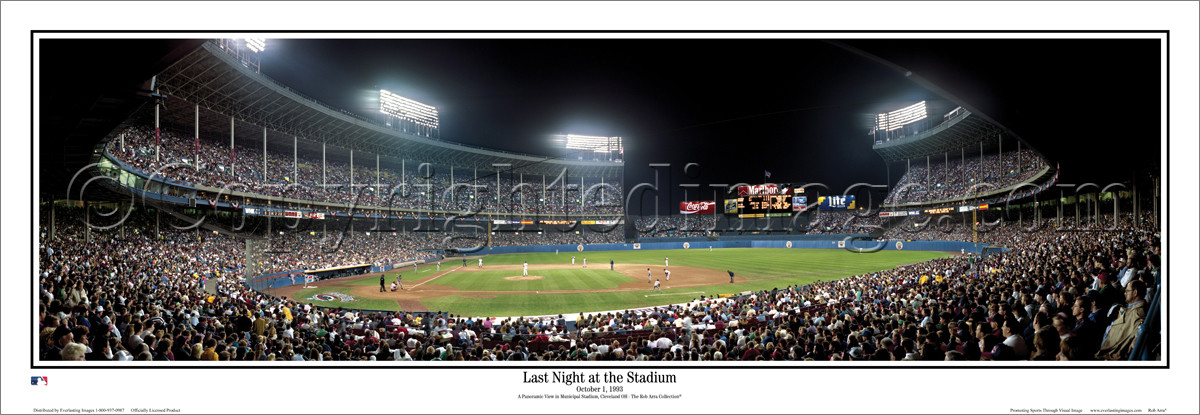
The Indians played their final game at Cleveland Municipal Stadium on October 3, 1993, before moving into their new downtown home, Jacobs Field (now known as Progressive Field) the following season. The Browns continued to play there through the 1995 season. After the team’s controversial relocation to Baltimore, the stadium stood vacant until it was demolished in November 1996. A new football stadium, FirstEnergy Stadium, was later constructed on the same site, and since 1999 it has served as the home of the new Cleveland Browns franchise.
Cleveland Municipal Stadium Pictures