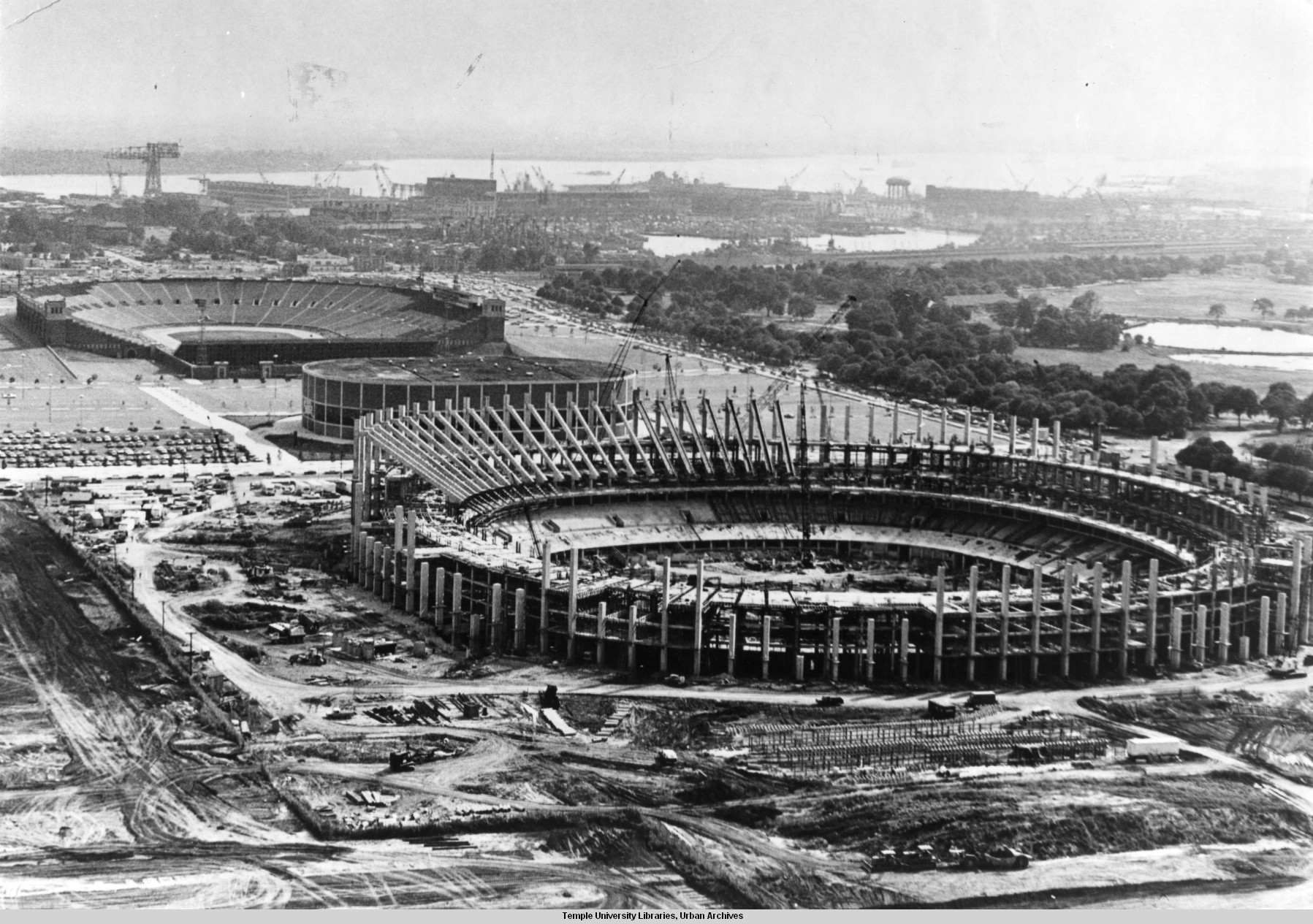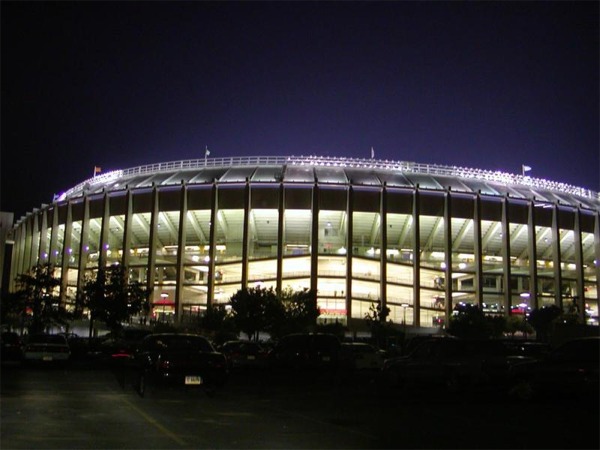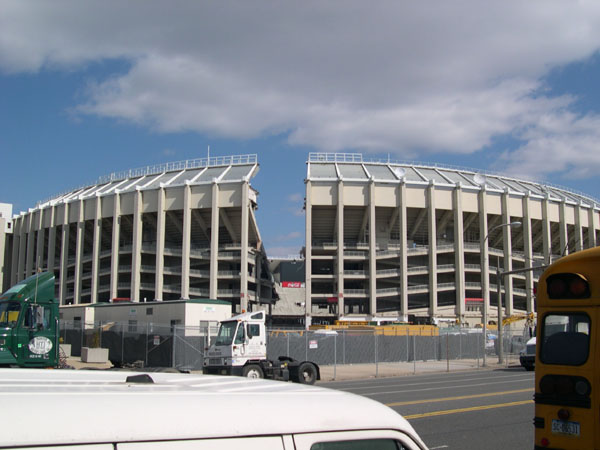
For more than three decades Veterans Stadium was home of the Philadelphia Phillies (MLB) and Eagles (NFL), and was primarily known for two things: its rowdy fans and terrible playing field. Established in 1883, the Phillies played at Connie Mack Stadium from 1938 until 1970. In 1952 a $7 million multipurpose stadium was proposed to be built for both the Phillies and Eagles. It took over 19 years for a new stadium to be construction. A $25 million bond was approved by voters in 1964 and a location for the facility in South Philadelphia was chosen in 1966, while the cost of construction continued to rise. On October 2, 1967 ground was broken for the new stadium, named Veterans Stadium after all veterans. Veterans Stadium was originally scheduled to open in 1970 but was delayed due to labor strikes, bad weather and construction delays.
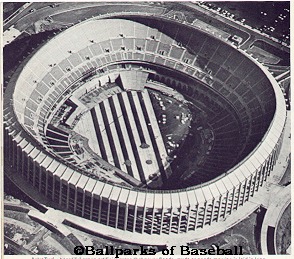
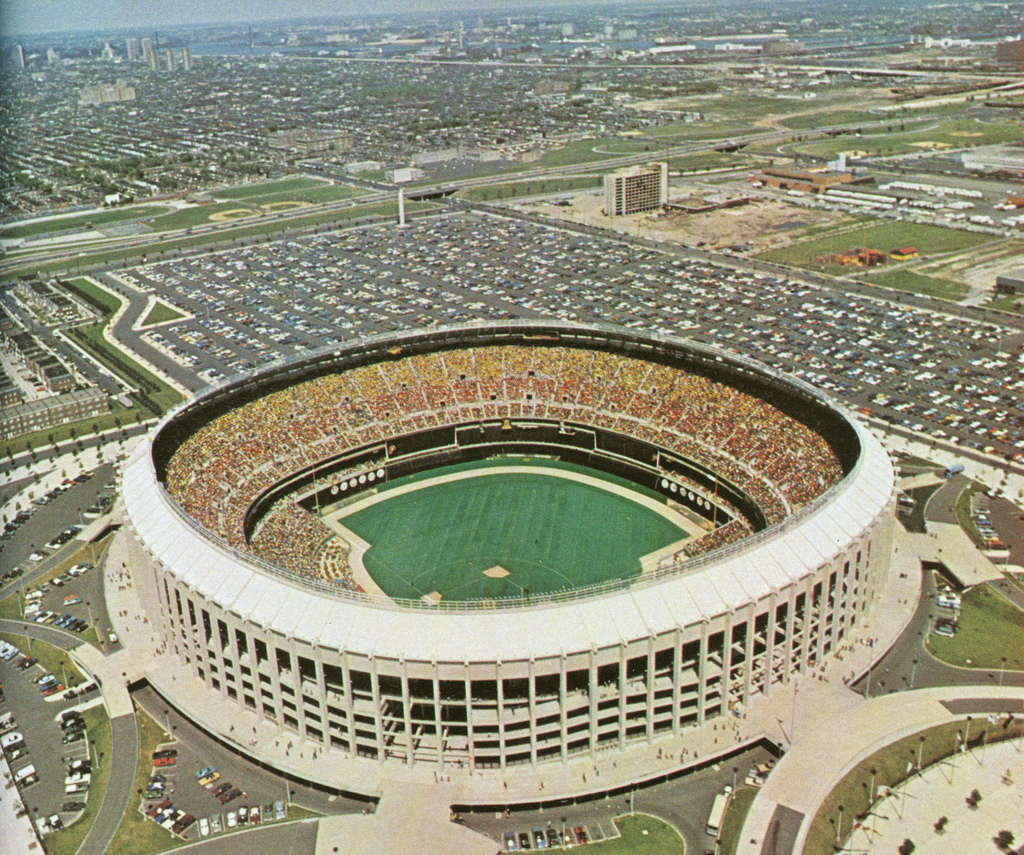
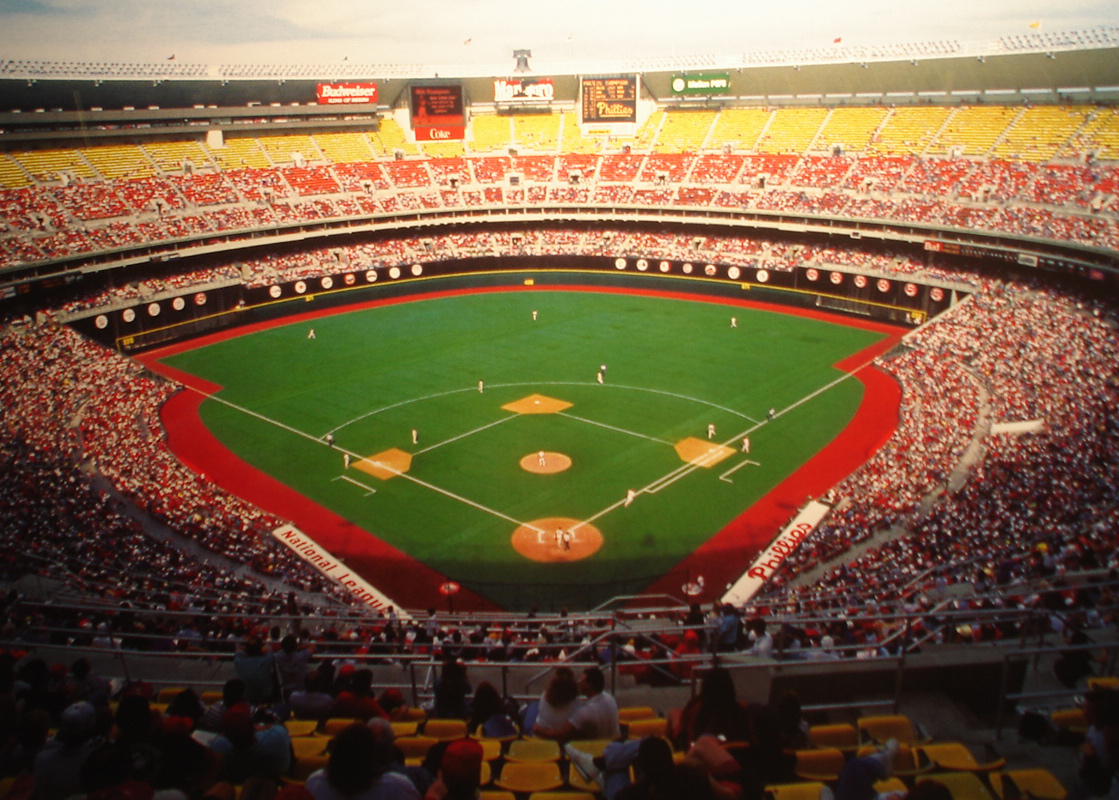
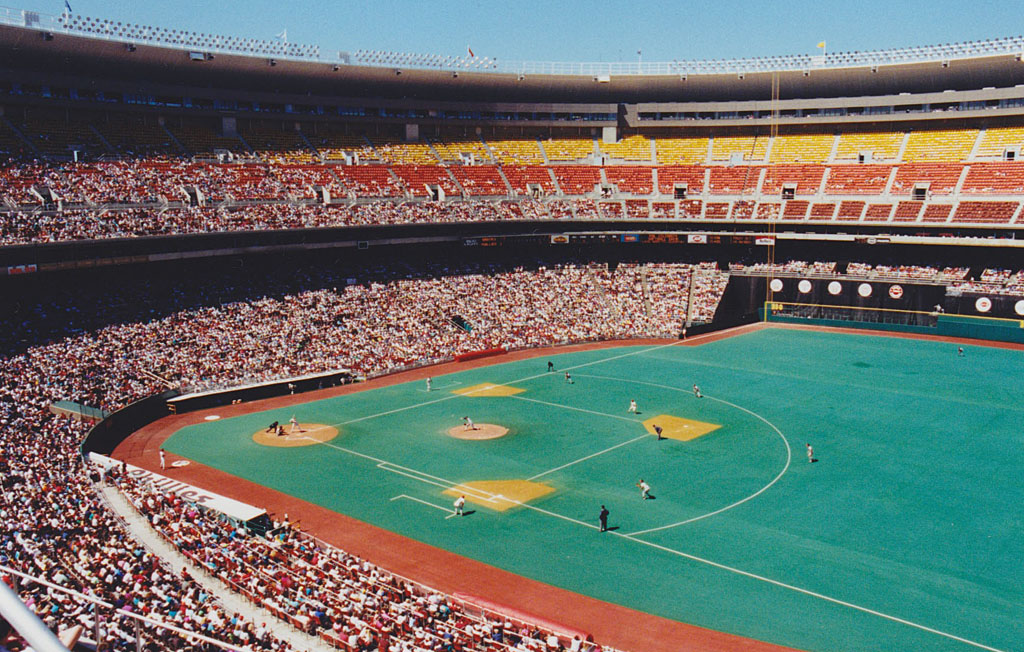
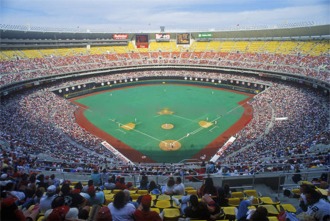
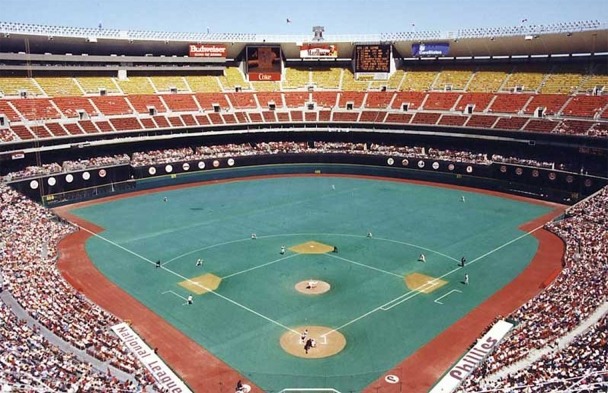
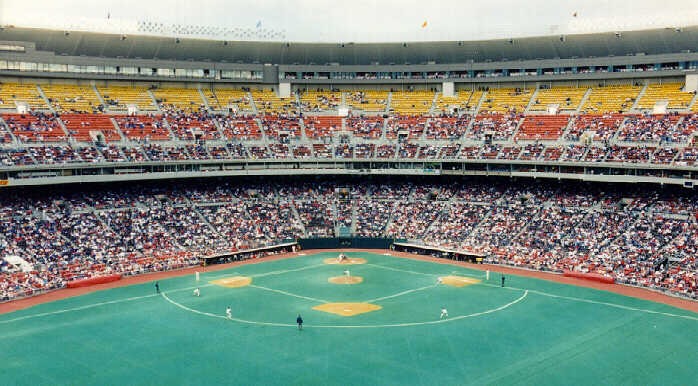
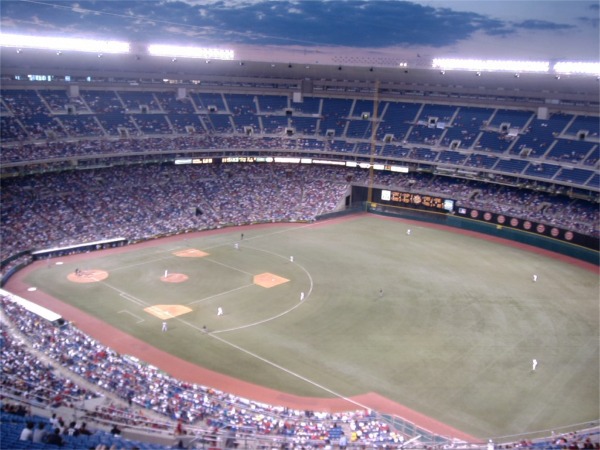
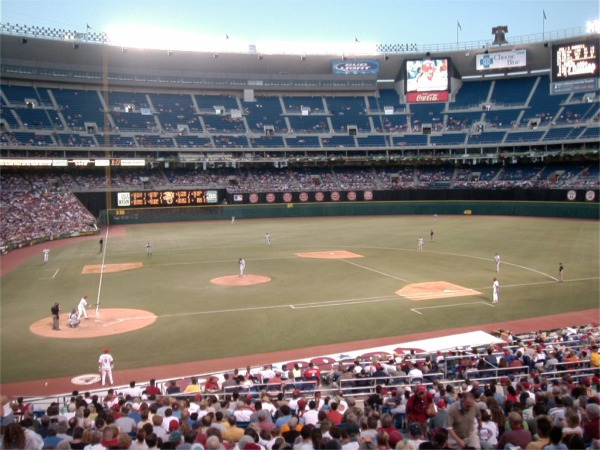
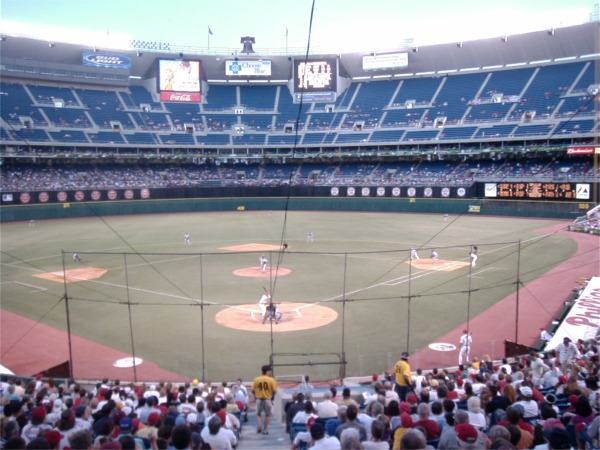
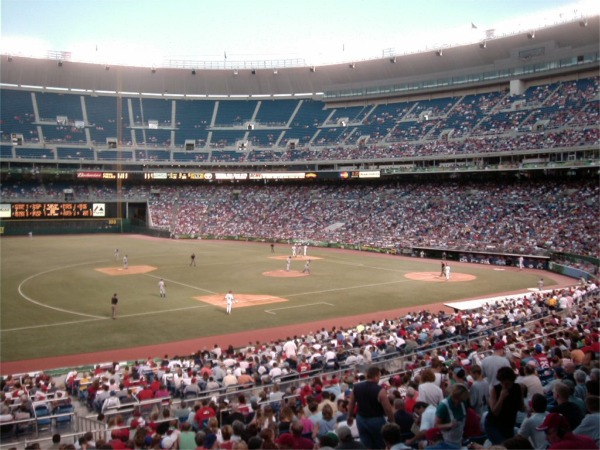
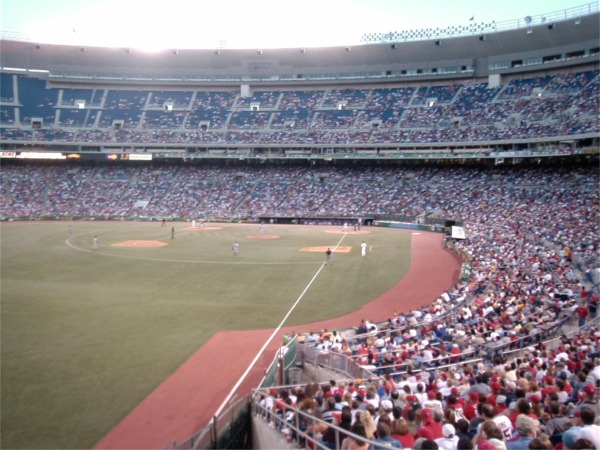
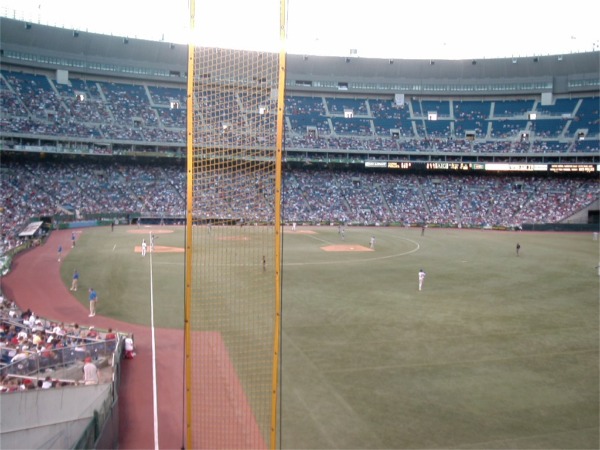
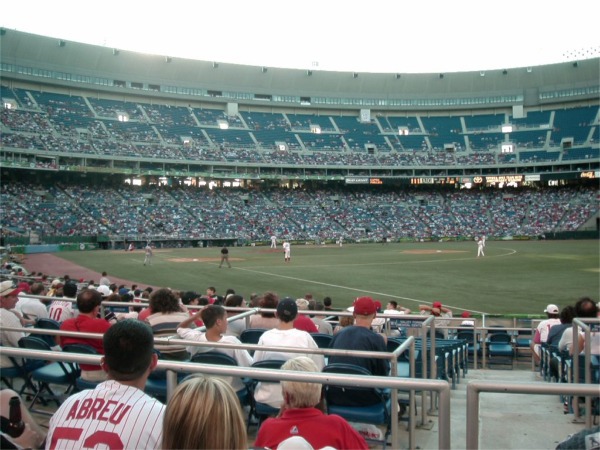
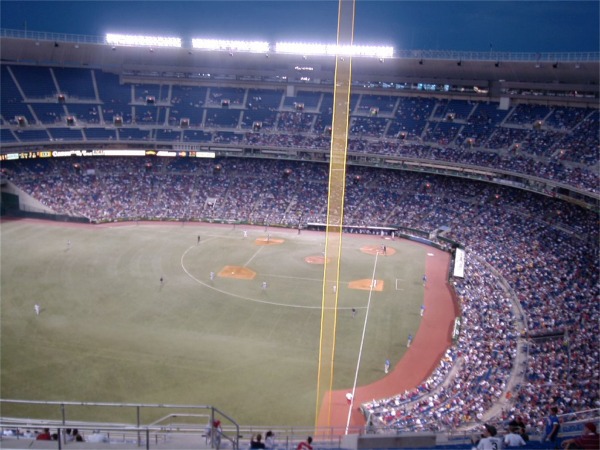
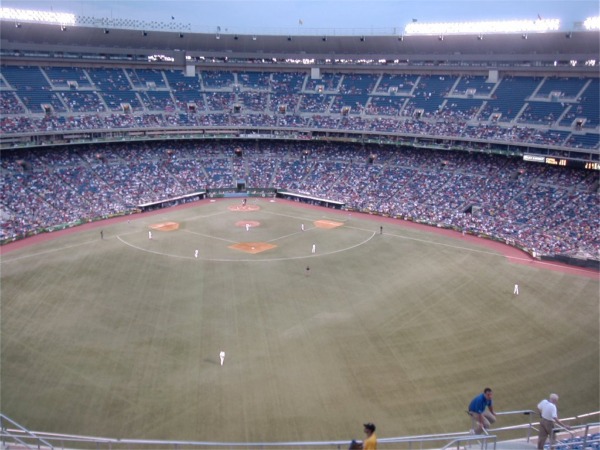
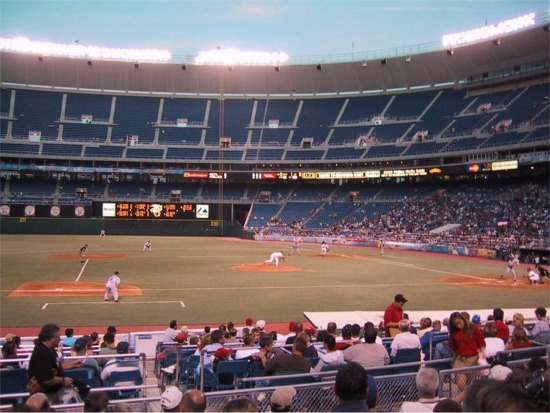
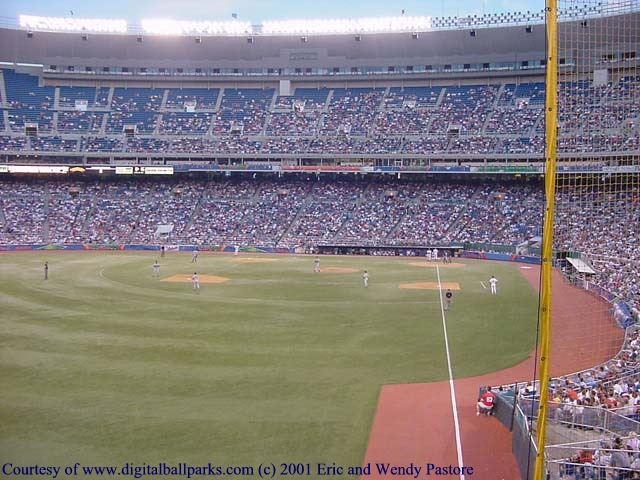
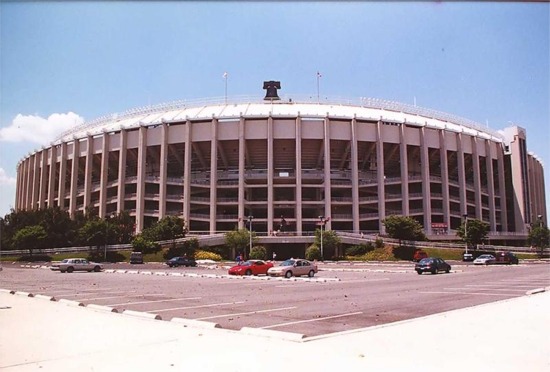
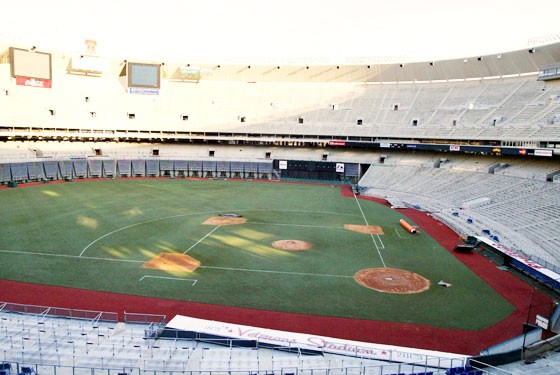
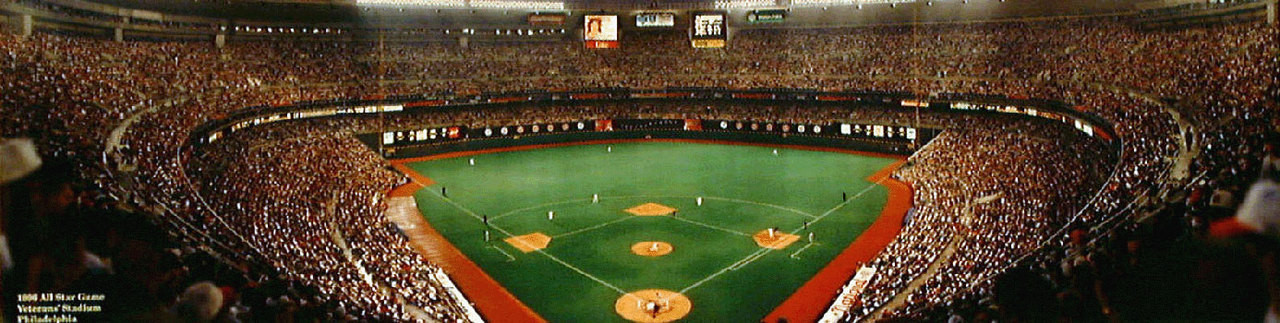
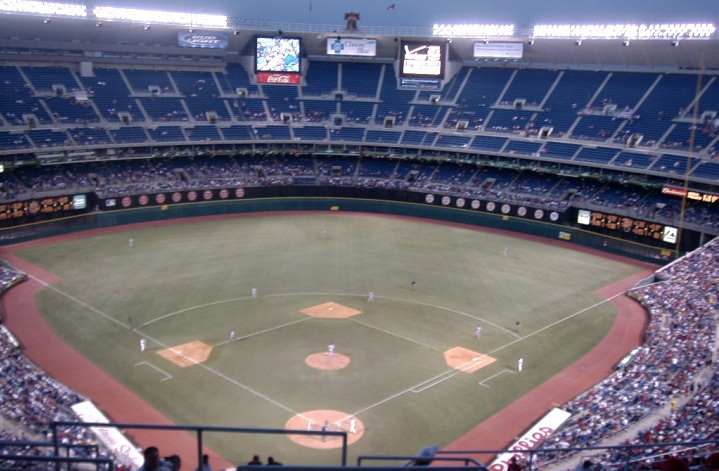
Located outside downtown Philadelphia, Veterans Stadium was located in a massive sports complex. Highways and parking lots surrounded the colossal structure. In order to enter the stadium, fans had to walk up ramps to arrive at the entrance gates. Once inside this massive stadium, fans saw artificial turf and a sea of multi-colored seats. The 100-300 level of seats were accessed from the main level upon entering Veterans Stadium. Fans could also walked down ramps to access the 100 and 200 levels of seats. In order to access the upper deck fans had to take elevators or ramps. In baseball configuration, Veterans Stadium held 62,382 fans. The 100 and 200 levels of seats extended from the left field foul pole to home plate and around to the right field foul pole. The other levels of seats at the stadium circled the entire playing field. The press and club level was in between the main and upper decks of the stadium.
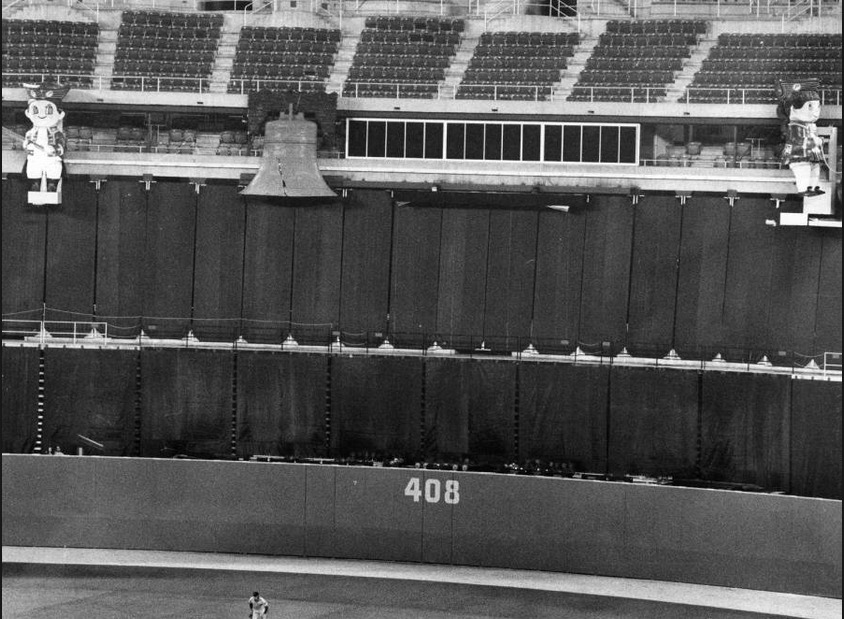
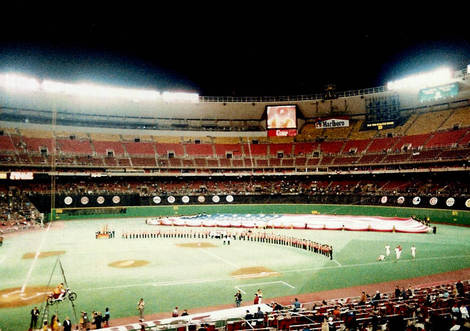
Very few changes took place at Veterans Stadium during its existence. The scoreboards were originally above the right and left field fence. It featured a homerun spectacular that included Philadelphia Phil, a 20 foot figure that appeared between the scoreboard, and if a homerun were hit, he would hit a baseball that would travel along the scoreboard, hitting a Liberty Bell, before landing at Philadelphia Phyllis. In the 1970’s, fountains were located between the scoreboards and would spew during various times throughout the game. By the 1980s this was removed and a new $4 million “Phanvision” video/scoreboard was added. In 1986 two new scoreboards were added at the top of the upper deck in the outfield and new luxury skyboxes were added below the stadium roof around the stadium. A replica of the Liberty Bell was located on the stadium roof in center field. The multicolored seats were replaced with blue seats after the 1994 season.
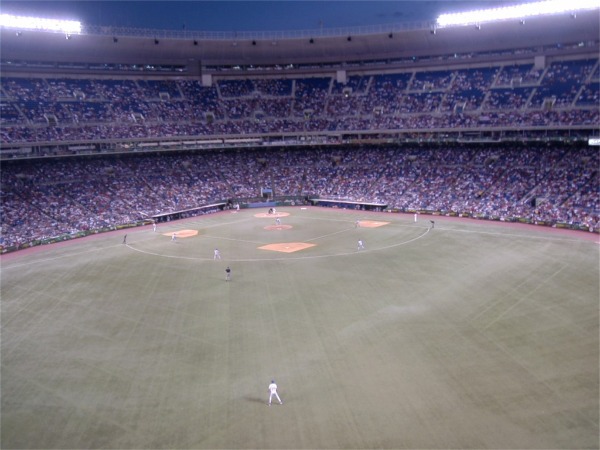
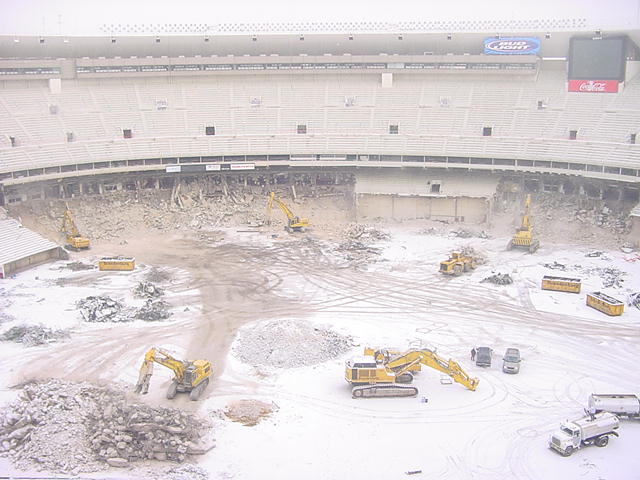
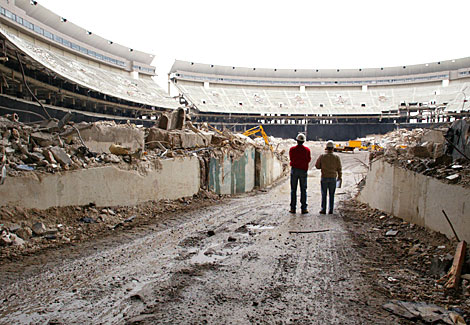
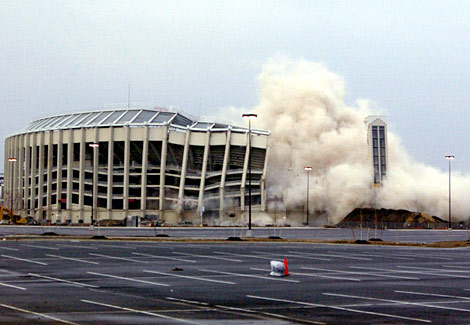
Throughout its history Veterans Stadium was known as having the worst playing turf in professional sports. New turf was installed six times throughout the history of the stadium and the Eagles football gridiron could be seen during baseball games. By the turn of the 21st century, both the Phillies and Eagles wanted new stadiums built. The 2003 season marked the Phillies last season at Veterans Stadium. On September 28, 2003 they played their last game here against the Atlanta Braves. On March 21, 2004, Veterans Stadium was demolished. The Phillies moved across the street into Citizens Bank Park and the Eagles into Lincoln Financial Field in 2004.
Veterans Stadium Pictures