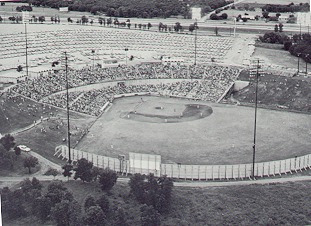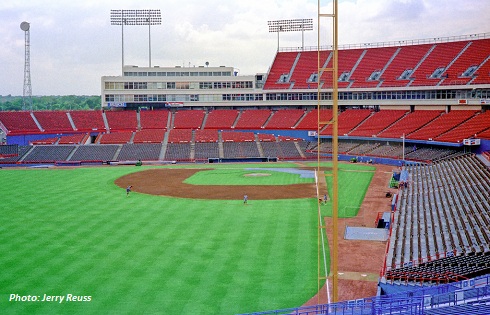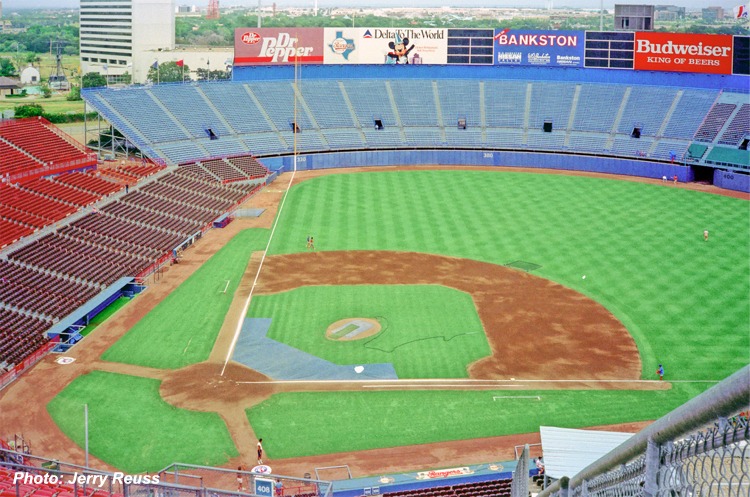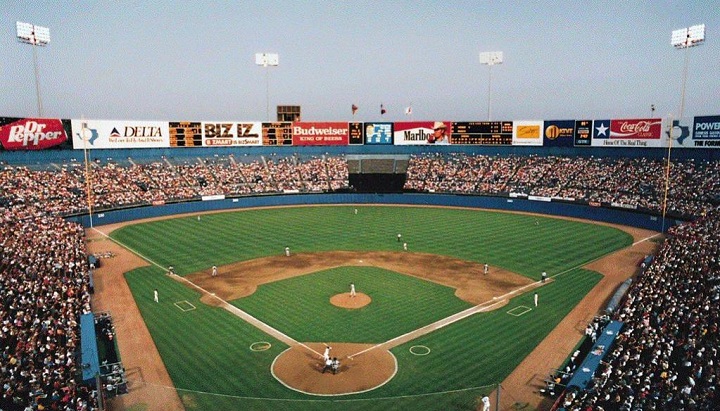
For nearly three decades, Arlington Stadium earned a reputation as one of the hottest ballparks in professional baseball. The origins of the stadium date back to 1959, when voters approved a bond measure to construct a new ballpark on a 137-acre site near Six Flags Over Texas. Originally named Turnpike Stadium, the $1.9 million facility opened on April 23, 1965, as the home of the Texas Spurs Double-A baseball team.
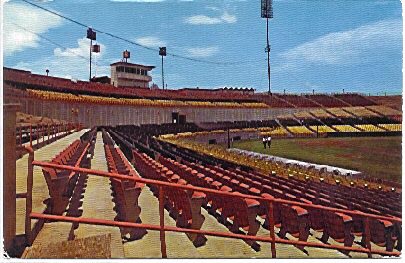
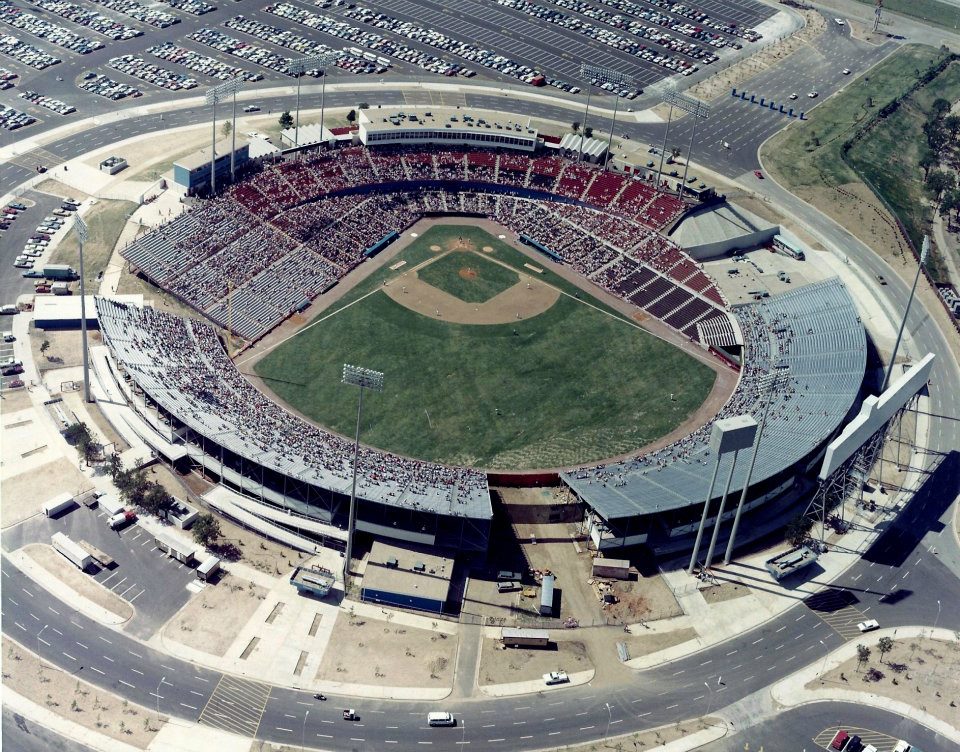
The original ballpark seated just over 10,000 fans and featured a unique design with the playing field situated 40 feet below the surrounding parking lots, allowing spectators to descend to their seats. A single grandstand extended from first base to third base, while grassy berms lined both sides of the seating area. The first major expansion came in 1970, when approximately 10,000 seats were added along the first- and third-base lines, increasing capacity to roughly 20,000.
| MEMORABLE MOMENTS AT ARLINGTON STADIUM |
|
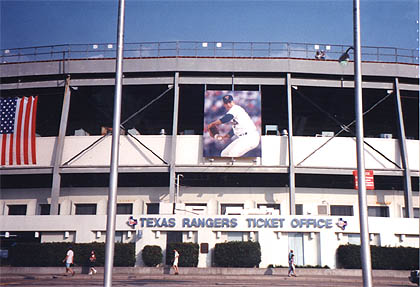
During the 1960s, Arlington Mayor Tom Vandergriff aggressively pursued a Major League Baseball franchise for the city. After unsuccessful efforts to attract the Kansas City Athletics, his focus shifted to the struggling Washington Senators. Following the 1971 season, owner Bob Short relocated the franchise from RFK Stadium to Arlington, where it was renamed the Texas Rangers.
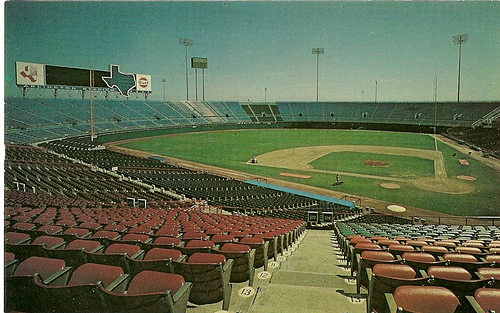
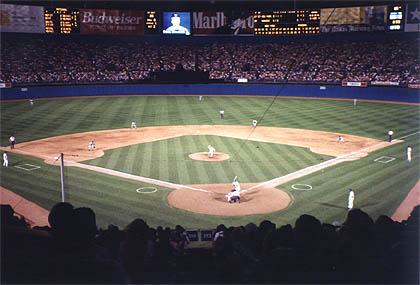
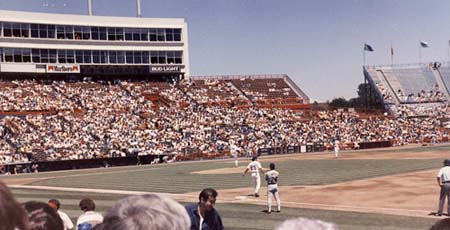
To accommodate Major League Baseball, Turnpike Stadium underwent a significant expansion and was renamed Arlington Stadium. The Rangers played their first game there on April 21, 1972. The seating bowl was extended into the outfield, fully enclosing the stadium and increasing capacity to 35,649. One of the ballpark’s most recognizable features was a large scoreboard beyond left field, highlighted by a section shaped like the state of Texas.
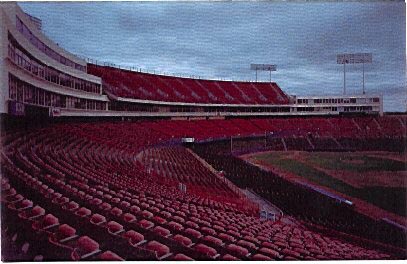
The final major renovation occurred in 1978 with the addition of a modest upper deck, primarily located behind home plate. This expansion increased the stadium’s capacity to 41,284 and established the configuration that remained in place for the rest of its existence.
Arlington Stadium lacked many of the amenities found in newer ballparks. Combined with the intense Texas heat and humidity, the venue became notorious for its sweltering summer conditions. To avoid the extreme daytime temperatures, nearly all Rangers home games, including many Sunday contests, were scheduled at night. By the 1980s, the Rangers began pursuing a modern replacement. A site adjacent to Arlington Stadium was selected for a new retro-style ballpark, which would eventually open as the Ballpark in Arlington. The Rangers played their final game at Arlington Stadium on October 3, 1993, against the Kansas City Royals. The stadium was demolished the following year, bringing an end to a significant chapter in the Rangers history.
Arlington Stadium Pictures